Editorial: A Clean Environment, A Better Society: How Clean Roads and Public Spaces Transform Our Nation
 Editorial: A Clean Environment, A Better Society: How Clean Roads and Public Spaces Transform Our Nation
JULY 24, 2026 –
Walk down a clean street, and you immediately feel the difference.
The air seems fresher. The surroundings feel safer. Trees appear greener. People smile more easily. Children play with greater freedom. Visitors feel welcomed. Businesses thrive. A clean road or public park is far more than an attractive sight—it is a reflection of the values of the people who share that space.
The cleanliness of our roads and public areas is one of the simplest yet most powerful indicators of a civilized society.
When roads, parks, markets, riversides, schools, and public squares are free of litter, they demonstrate something deeper than cleanliness. They reveal discipline, respect, responsibility, and pride. They show that citizens care not only about their own homes but also about the places they share with one another.
Clean public spaces improve the quality of life for everyone.
They reduce unpleasant odors, discourage pests such as flies and rats, lower the risk of disease, and create healthier environments for families and communities. Children can play more safely. Older adults can enjoy outdoor exercise. Families can gather in parks without worrying about rubbish or pollution. Public spaces become places where people build friendships, strengthen communities, and enjoy life together.
A clean environment also promotes better mental well-being.
Scientific studies have shown that clean, green, and well-maintained surroundings reduce stress, improve mood, and encourage physical activity. People naturally feel happier and more relaxed in beautiful environments. They are more likely to walk, exercise, meet neighbors, and spend time outdoors. Clean surroundings create healthier minds as well as healthier bodies.
Clean roads also improve safety.
Waste dumped along streets can block drainage systems, contributing to flooding during heavy rains. Debris left on roads can create hazards for motorists, cyclists, and pedestrians. Properly maintained public spaces reduce accidents and make communities more resilient during extreme weather.
The economic benefits are equally significant.
Visitors are naturally attracted to places that are clean, organized, and welcoming. Tourism grows. Local businesses receive more customers. Property values improve. Investors gain confidence in communities that demonstrate good environmental management. A clean city or village is not only beautiful—it is economically competitive.
For governments, maintaining clean public spaces also reduces long-term costs. Preventing litter is far less expensive than cleaning heavily polluted areas. Healthy communities spend less on treating diseases associated with poor sanitation. Money saved can instead be invested in education, healthcare, infrastructure, and community development.
But perhaps the greatest benefit is social.
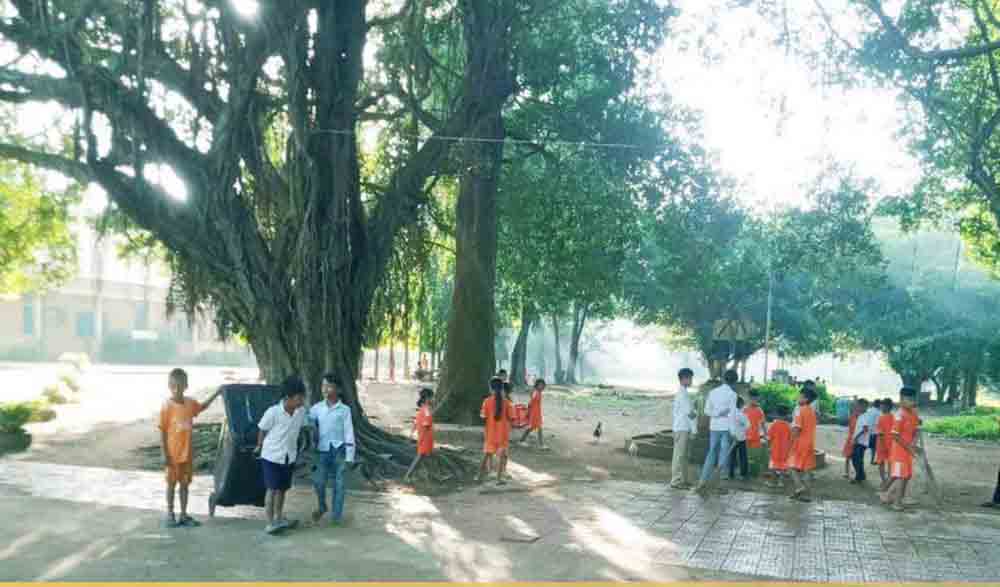
When citizens participate in keeping roads and public areas clean, they develop a stronger sense of ownership and belonging. Neighbors work together. Schools teach responsibility through action. Young people grow up understanding that public spaces belong to everyone and therefore deserve everyone’s care.
Cleanliness becomes more than a task—it becomes a culture.
A community where people pick up litter, separate waste, care for public gardens, and respect shared spaces is a community where people also respect one another. Environmental responsibility strengthens civic responsibility. It teaches that every action, however small, contributes to the common good.
Parents have a particularly important role. Children learn not only through lessons but also through example. When they see adults placing rubbish in bins, keeping streets clean, planting trees, and respecting public property, they carry those values throughout their lives. In this way, today’s habits become tomorrow’s national character.
Governments can provide waste collection, build parks, improve drainage, and enforce environmental laws.
Communities can organize clean-up campaigns and beautification projects. Schools can educate future generations. Businesses can maintain clean surroundings and reduce waste. But the success of every effort ultimately depends on one person at a time—every citizen.
Every piece of litter placed in a bin instead of on the ground is a contribution to society.
Every tree planted along a road provides shade for someone who may never know who planted it.
Every clean park gives children a healthier place to laugh and play.
Every beautiful public space reminds us that caring for our environment is also caring for each other.
A nation is not remembered only for its buildings or its roads. It is remembered for how its people treat the places they share. Clean roads and public spaces tell the world that we are a people who value health, dignity, hospitality, and respect.
The environment is the stage upon which society lives its daily life. When that stage is clean, society flourishes.
Let us never think that keeping a road clean is a small act. Every clean street, every beautiful park, every litter-free market, and every well-maintained public space strengthens our health, our economy, our communities, and our national pride. A clean environment builds a better society—and that better society begins with each of us.
#Environment, #Nature, #Earth, #Eco, #GoGreen, #Sustainability, #ClimateChange, #ClimateAction, #GlobalWarming, #EnvironmentalAwareness