Cultural Heritage Should Be Celebrated with Historical Accuracy
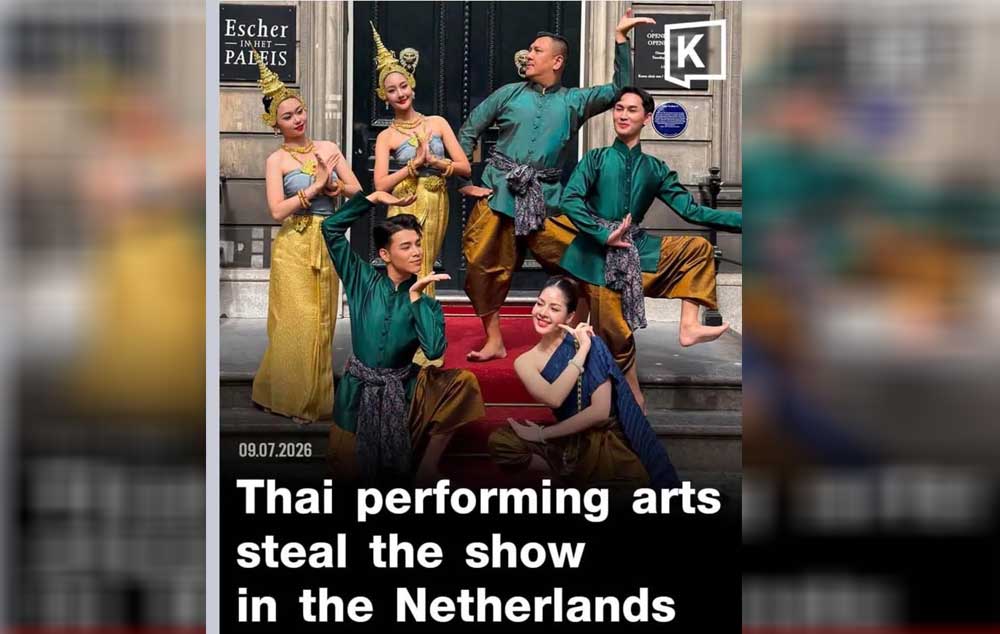 Photo: The author is concerned that the origin of many traditional regional arts may not be clear to foreign audiences. Khaosod English
#opinion
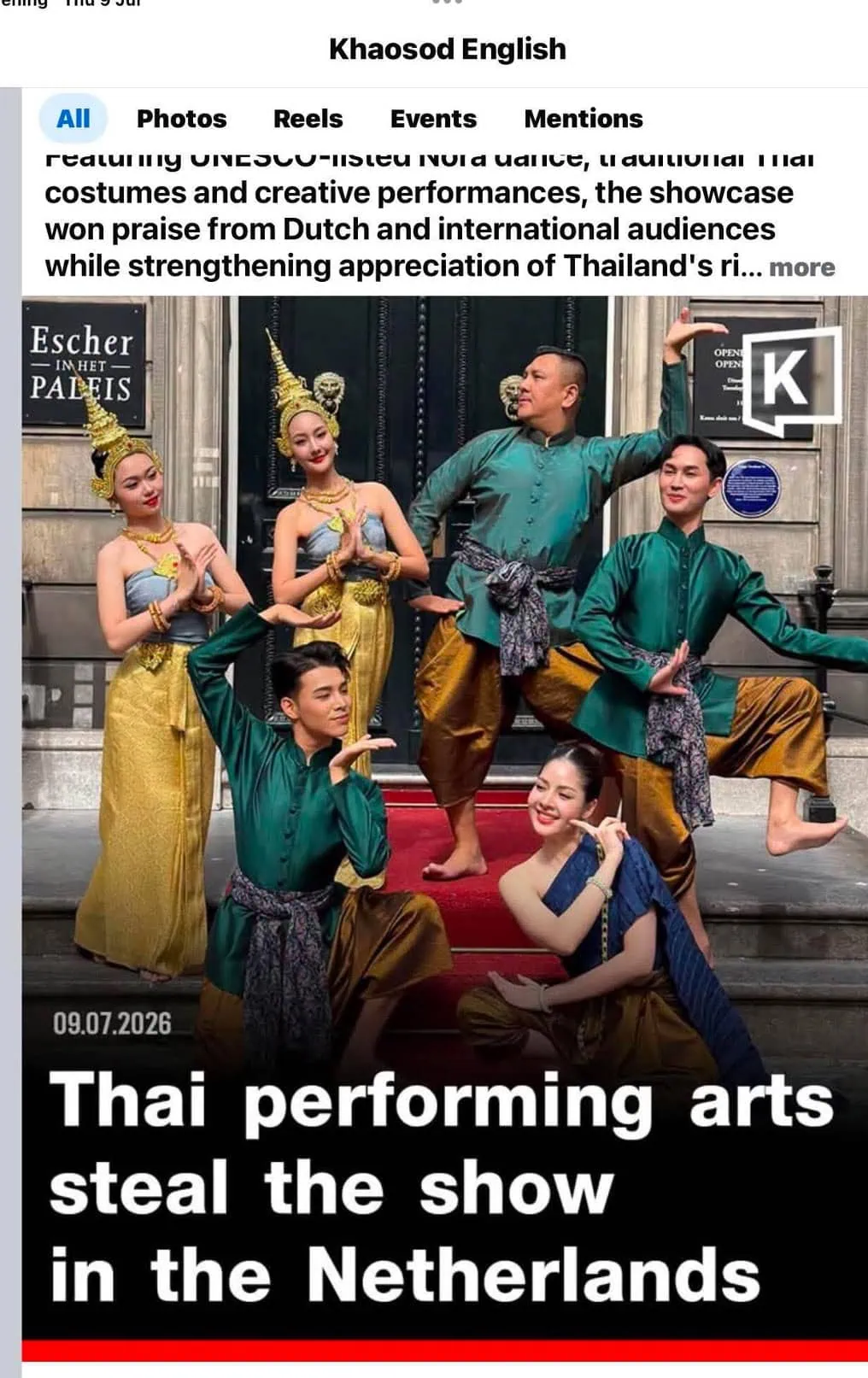
I recently read a Khaosod English post reporting that Thailand’s Bunditpatanasilpa Institute brought Thai performing arts to the international stage during the Thailand Grand Festival 2026 in The Hague, the Netherlands. The showcase featured the UNESCO-recognized Nora dance, traditional Thai costumes and creative performances, earning praise from Dutch and international audiences.
Every nation has the right to celebrate and promote its culture. I respect Thailand’s efforts to introduce its traditions to the world and recognise that cultural diplomacy helps strengthen international friendship.
However, as a Cambodian who deeply values history and cultural heritage, I also believe that such presentations should include appropriate historical context.
Cambodia is home to one of Southeast Asia’s oldest civilisations. During the Khmer Empire, Khmer civilisation profoundly influenced the arts, architecture, royal ceremonies, literature, classical dance and costume traditions across mainland Southeast Asia. Many historians acknowledge that several cultural elements found throughout the region evolved from or were influenced by earlier Khmer traditions before developing into their own distinct national forms.
My concern is not with Thailand showcasing its culture. Rather, it is that many international audiences — including those in Europe — may not be familiar with the historical development of Southeast Asian civilisations. When traditional costumes, classical performances or court arts are presented without historical context, some viewers may mistakenly conclude that these traditions originated exclusively in Thailand. Such misunderstandings, even if unintended, can gradually overshadow the historical contributions of earlier civilisations, particularly Cambodia.
Recognising historical influence does not diminish Thailand’s cultural identity. On the contrary, acknowledging the interconnected history of Southeast Asia enriches our understanding of the region and demonstrates respect for historical scholarship.
Cultural heritage should never become a source of rivalry. It should inspire dialogue, mutual respect and a shared commitment to preserving historical truth. Every nation deserves recognition for its achievements, but that recognition should rest upon historical accuracy rather than public perception alone.
As Cambodians, we should continue to preserve, research and promote our own rich heritage so that the world understands the profound legacy of Khmer civilisation and its enduring contribution to Southeast Asian culture.
Tesh Chanthorn is a Cambodian citizen who longs for peace. The views and opinions expressed are his own.
-Phnom Penh Post-