Peace Is Measured by Civilians Returning Home, Not by Ceasefire Agreements
 Peace Is Measured by Civilians Returning Home, Not by Ceasefire Agreements
#opinion
Ceasefires do not end conflicts. They create an obligation to restore peace. Their success is measured not by signatures on official documents, but by whether displaced families can safely return home and rebuild their lives.
More than seven months after Cambodia and Thailand adopted the Joint Statement of the Extraordinary General Border Committee (GBC) on 27 December 2025, that fundamental test remains unmet. Thousands of Cambodian civilians remain unable to return to their homes. Their continued displacement raises a simple but unavoidable question: if the commitments made in December have not yet translated into reality for those most affected by the conflict, what remains to be done?
Cambodia’s position is both consistent and reasonable. It seeks the full implementation of the December 2025 Joint Statement, meaningful de-escalation along the border, and the safe, voluntary, and dignified return of its displaced civilians in accordance with the Joint Statement and international law. These are not new demands or unilateral conditions. They are the natural consequences of commitments already undertaken by both parties.
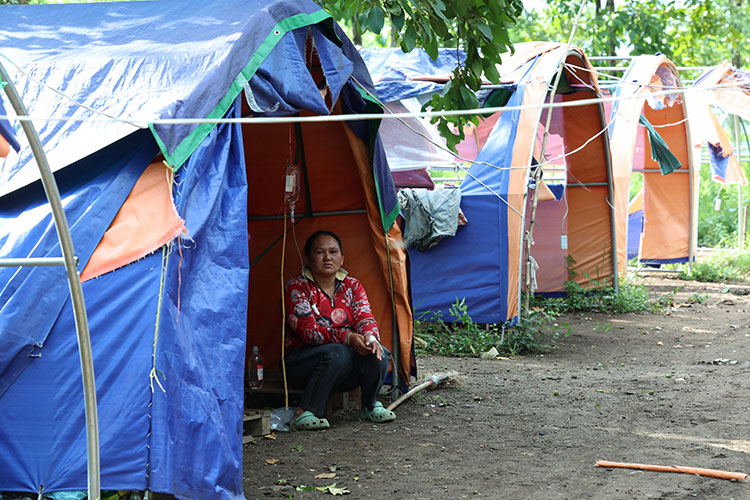
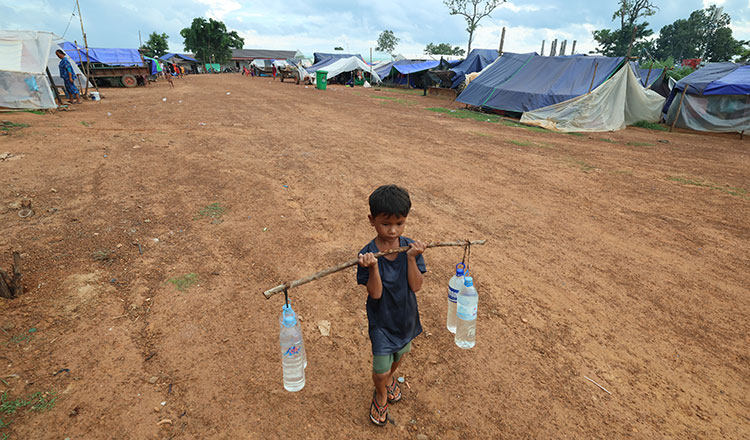
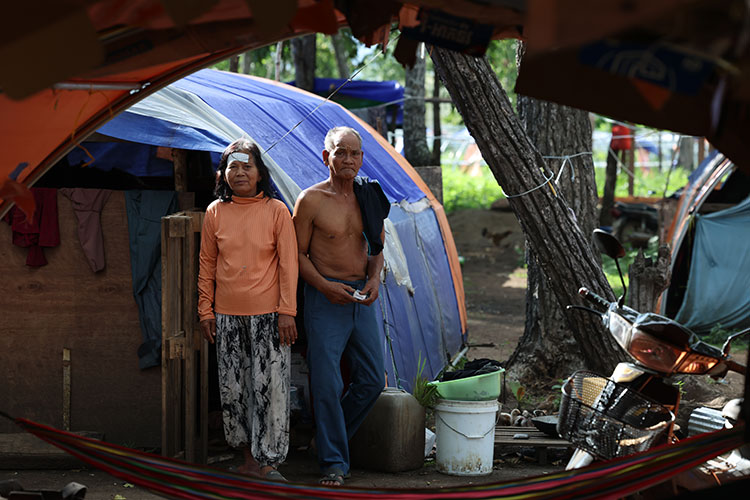
The humanitarian consequences of the border conflict did not disappear when active fighting stopped. Thousands of Cambodian families continue to live in temporary displacement. Children have seen their education interrupted. Farmers remain separated from their land and livelihoods. Entire communities continue to live with uncertainty while waiting for conditions that would allow them to return safely.
International humanitarian law provides clear guidance. Civilians displaced by armed conflict have the right to return voluntarily, safely, and with dignity once conditions permit. The UN Guiding Principles on Internal Displacement reaffirm this principle. The objective is straightforward: peace should restore civilian life, not merely suspend military confrontation.
That is also the spirit of the December 2025 Joint Statement.
Its purpose was never simply to silence the guns. It was intended to reduce tensions, rebuild confidence, and restore normalcy along the border. Those objectives cannot be considered fully achieved while displaced civilians remain unable to return home.
This is why implementation matters more than declarations.
Peace requires restraint on the ground, not only expressions of goodwill at the negotiating table. Confidence cannot be rebuilt if developments create new tensions or prolong uncertainty for civilians. Agreements lose credibility when implementation becomes selective or delayed. Every commitment within the Joint Statement contributes to a single objective: transforming a ceasefire into a durable peace.
Cambodia has consistently advocated dialogue, peaceful dispute settlement, and respect for international law. It has repeatedly called for de-escalation, confidence-building, and faithful implementation of the commitments already agreed upon. This approach reflects not weakness but strategic responsibility. Lasting peace is built through compliance with agreements, not through competing narratives or prolonged uncertainty.
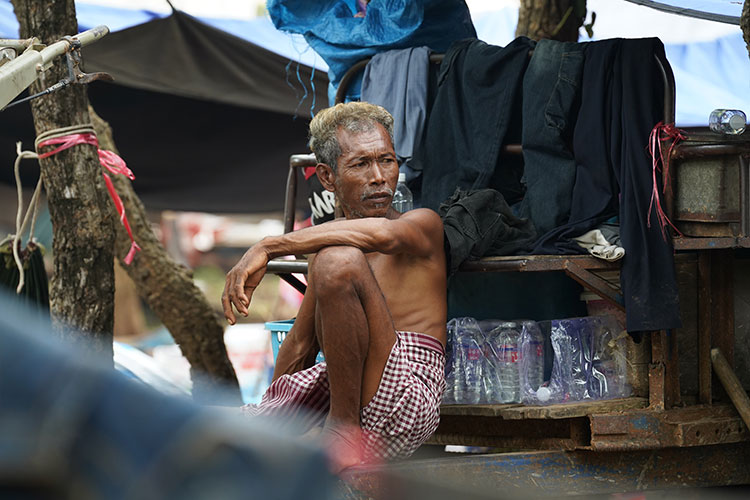
History offers an important lesson. Border disputes are rarely resolved through unilateral actions or indefinite delays. They are managed through trust, sustained diplomacy, and the faithful implementation of mutually accepted commitments. Every step toward implementation strengthens regional stability. Every delay prolongs the suffering of civilians who have already paid the highest price for conflict.
Ultimately, the December 2025 Joint Statement will not be judged by the number of diplomatic meetings held or statements issued. It will be judged by outcomes: whether tensions have genuinely eased, whether confidence has been restored, whether commitments have been honored, and whether displaced Cambodian families have finally returned to their homes in safety and dignity.
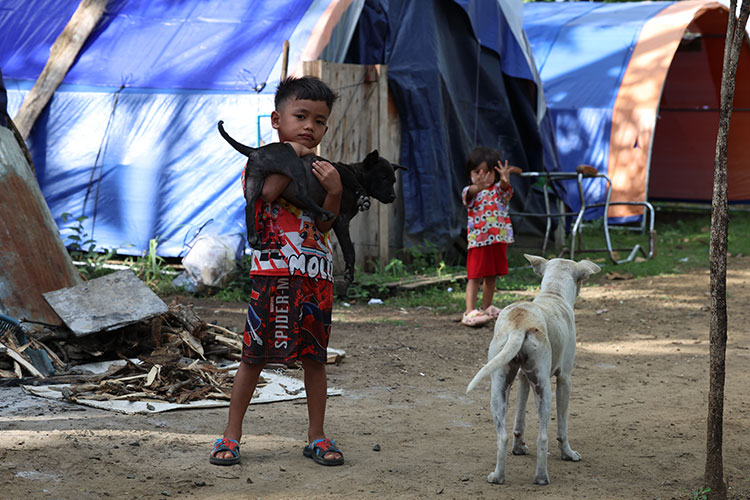
That is the true measure of peace.
Cambodia is asking for nothing more—and nothing less—than the faithful implementation of a joint commitment, respect for international law, genuine de-escalation, and the restoration of normal life for its displaced citizens. Peace should not remain a promise on paper. It should become a reality on the ground.
Roth Santepheap is a geopolitical analyst based in Phnom Penh. The views expressed are his own.
-Khmer Times-