The World Must Remember: Eighteen Years After UNESCO Recognition, Preah Vihear Bears the Scars of War
 The World Must Remember: Eighteen Years After UNESCO Recognition, Preah Vihear Bears the Scars of War
#Opinion
On 7 July 2008, Cambodia celebrated one of the proudest moments in its modern history. The Temple of Preah Vihear was inscribed on UNESCO’s World Heritage List in recognition of its Outstanding Universal Value—an architectural masterpiece that stands majestically atop the Dangrek Mountains and represents centuries of Khmer civilisation.
It was more than a national achievement. It was a victory for humanity. By granting World Heritage status, the international community affirmed that Preah Vihear belongs not only to Cambodia but to the shared cultural heritage of humankind.
Eighteen years later, however, Cambodia marks this anniversary with profound pride mixed with deep sorrow.
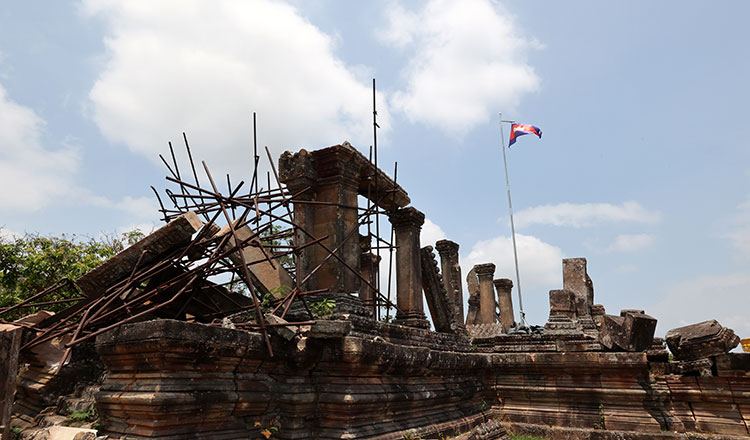
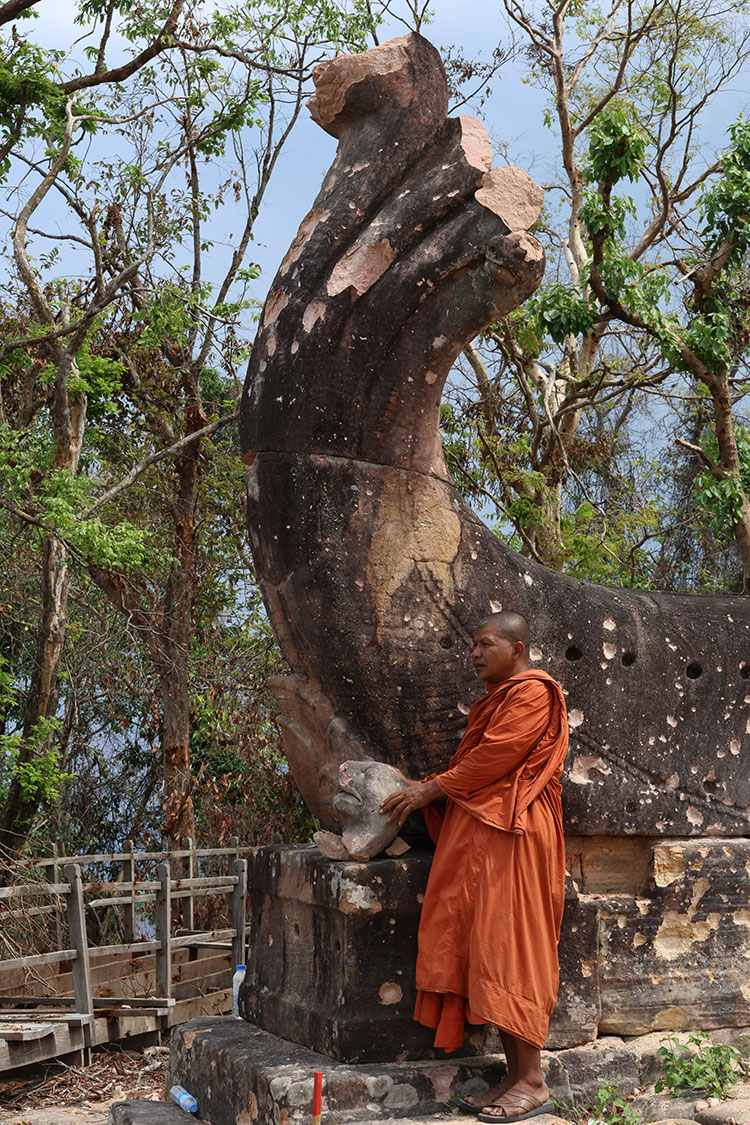
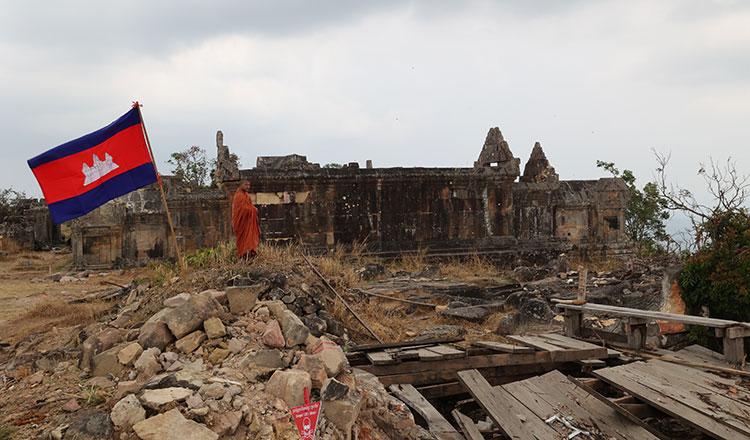
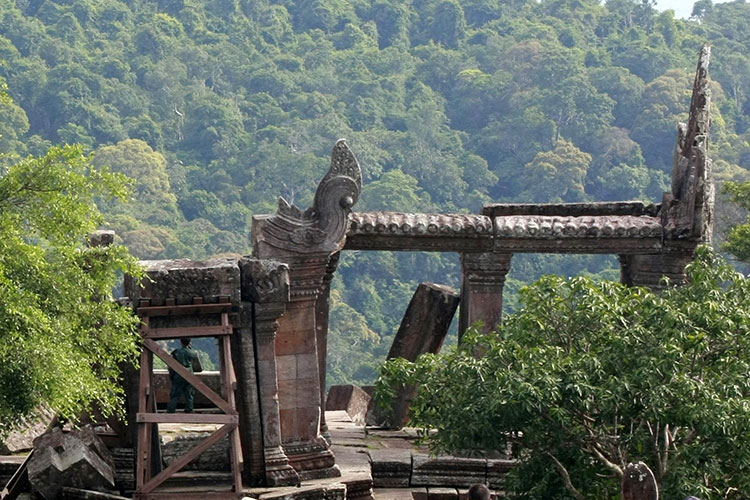
Instead of celebrating another year of successful preservation, the Cambodian people are mourning the severe damage inflicted upon this irreplaceable monument during Thailand’s recent military operations on Cambodian territory. The anniversary has become a painful reminder that a monument entrusted to the protection of all humanity can still become a casualty of armed conflict. This is not simply Cambodia’s tragedy. It is a tragedy for the entire international community.
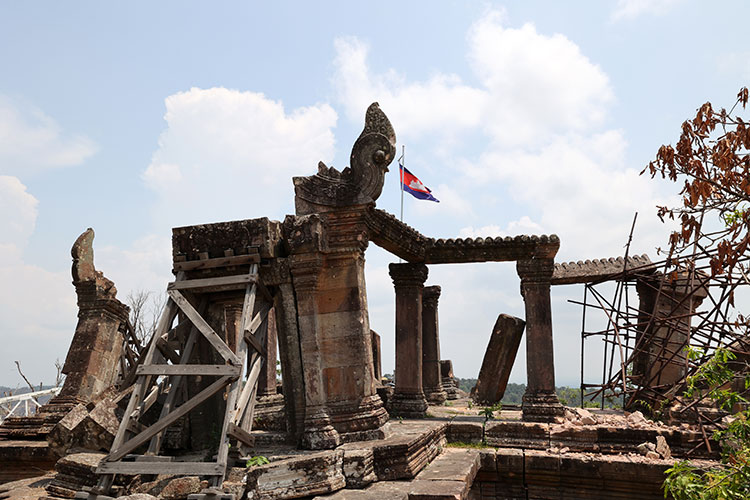
World Heritage status carries responsibilities. Under the 1972 UNESCO World Heritage Convention, States Parties undertake to identify, protect, conserve, present and transmit cultural heritage to future generations. International humanitarian law further reinforces these obligations. The 1954 Hague Convention for the Protection of Cultural Property in the Event of Armed Conflict recognises that cultural property represents the heritage of all mankind and must receive special protection during war.
The principle is straightforward. Ancient temples are not military trophies. They are not strategic objectives. They are not legitimate casualties of political disputes. Their destruction impoverishes humanity itself.
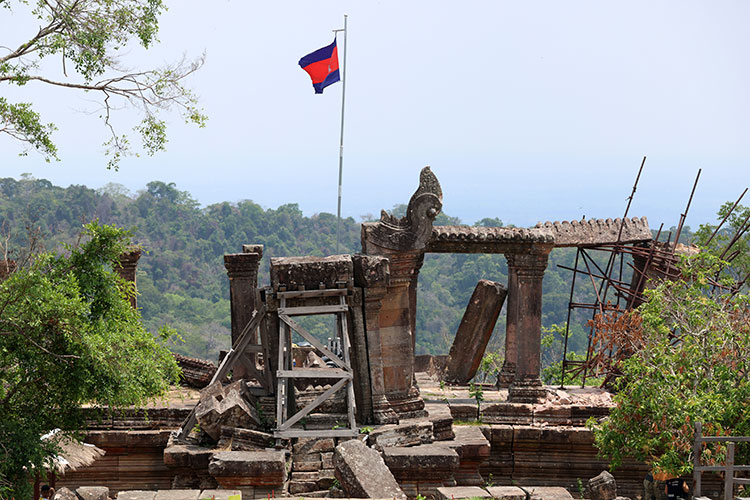
Cambodia has consistently maintained that Preah Vihear is a protected cultural monument and rejected allegations that the temple was being used for military purposes. Yet Thailand repeatedly justified military action by alleging that Cambodian forces had transformed the temple area into a military base. Such accusations cannot, by themselves, justify attacks against a World Heritage Site.
International law does not permit protected cultural monuments to lose their status simply because one party makes unilateral allegations. Military necessity is not a slogan. It is a narrowly defined legal doctrine requiring compelling evidence, strict necessity, proportionality and every feasible precaution to protect cultural property.
Otherwise, every historic monument in every conflict could become vulnerable to destruction through nothing more than accusation. That would fundamentally undermine the international system created after the devastation of the Second World War to protect humanity’s cultural inheritance.
The significance of Preah Vihear extends far beyond its magnificent sandstone towers and intricate carvings. It embodies more than a thousand years of Khmer history. It symbolises Southeast Asia’s extraordinary civilisations. It attracts scholars, archaeologists, pilgrims and visitors from across the globe. Its value cannot be measured solely in bricks and stone.
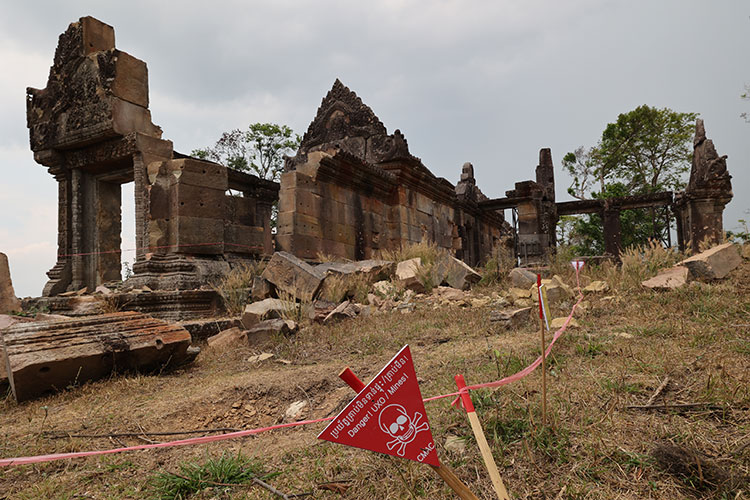
When ancient stairways collapse, when centuries-old carvings are shattered, when sacred structures suffer damage from heavy weapons, the loss cannot be fully repaired. Restoration may rebuild walls, but it cannot restore the original craftsmanship created by artisans centuries ago.
Every damaged stone represents an irreplaceable chapter of human history.
The world has repeatedly witnessed the consequences of attacks against cultural heritage—from the destruction of the Buddhas of Bamiyan to the devastation of Palmyra. Each incident has prompted international condemnation because humanity understands that heritage belongs to all peoples, regardless of nationality.
Preah Vihear deserves the same concern. Silence creates dangerous precedents.
If damage inflicted upon a World Heritage Site during armed conflict passes without meaningful international attention, what message does that send to future belligerents?
That World Heritage protection exists only in times of peace? That military force may override international obligations whenever convenient? That political narratives matter more than humanity’s shared cultural legacy? These are questions the international community cannot ignore.
The issue extends beyond bilateral relations between Cambodia and Thailand. It concerns the credibility of the international legal order itself.
The protection of cultural heritage is not optional. It is a legal obligation accepted by States through international conventions. Those obligations exist precisely because wars have too often destroyed humanity’s greatest treasures.
They are designed to prevent history from repeating itself. Cambodia’s grief today is therefore not only national. It reflects disappointment that one of the world’s most treasured monuments has suffered damage despite the extensive legal protections established under international law.
This anniversary should also prompt reflection.
Eighteen years ago, UNESCO recognised Preah Vihear because the temple possesses Outstanding Universal Value deserving protection for all generations.
That commitment should not end with an inscription ceremony. It must continue whenever the monument is threatened.
The international community should support comprehensive and independent assessments of the damage, encourage accountability consistent with international law, and reaffirm that World Heritage Sites must never become casualties of armed conflict.
History has already recorded 7 July 2008 as the day Preah Vihear entered humanity’s common heritage. History will also record what happened eighteen years later. Future generations will ask not only who built Preah Vihear. They will ask who failed to protect it.
They will ask how a monument recognised by the world came under the impact of heavy weapons despite decades of international commitments to safeguard cultural heritage.
Most importantly, they will ask whether the world remained silent.
Cambodia will continue restoring and preserving Preah Vihear because this sacred monument is more than an ancient temple. It is a testament to the ingenuity, faith and identity of the Khmer people, and an indispensable part of humanity’s collective civilisation.
But restoration alone is not enough. The world must also remember. Remember why Preah Vihear was recognised. Remember why cultural heritage enjoys special protection under international law.
And remember that no political dispute, no military allegation and no armed confrontation should ever erase humanity’s shared responsibility to preserve the legacy of our past.
On this eighteenth anniversary, Cambodia celebrates the global recognition of Preah Vihear with pride. It does so with sadness. And with a solemn appeal to the conscience of the international community:
Let the stones of Preah Vihear stand not only as monuments to an ancient civilisation, but also as enduring witnesses that the destruction of World Heritage can never be normalised, forgotten or excused. g the armed invasion. Those scars are more than marks upon ancient sandstone; they are reminders that the protection of World Heritage depends not only upon international recognition, but upon respect for international law.
Civilizations are remembered for what they create. Nations are remembered for how they treat humanity’s shared heritage. History will render its own judgment.
Roth Santepheap is a geopolitical analyst based in Phnom Penh. The views expressed are his own.
-Khmer Times-