Trust Is Built Through Actions, Not Words
 Trust Is Built Through Actions, Not Words
In international relations, trust is often described as the foundation of peace, cooperation and stability. Government leaders frequently call upon neighbouring countries to “build trust” and “strengthen mutual confidence”. These are worthy aspirations, particularly in regions where history, geography and national identity remain deeply intertwined.
Yet trust is not built through speeches, diplomatic slogans or carefully crafted statements. Trust is built through actions.
For decades, Cambodia and Thailand have maintained extensive economic, cultural, and people-to-people ties. Millions of citizens on both sides of the border benefit from trade, tourism, investment and cross-border cooperation. These connections should provide a strong foundation for friendship, mutual respect and regional stability.
However, friendship requires consistency between words and deeds.
Whenever border issues arise, Thai officials frequently emphasise the importance of trust-building between Cambodia and Thailand. At international forums and diplomatic meetings, calls for mutual confidence, good-neighbourly relations and regional cooperation are often repeated. Few would disagree with these principles.
The question many Cambodians continue to ask, however, is whether such calls are consistently reflected in actions on the ground.
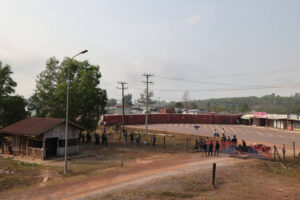
In areas along the Cambodia–Thailand border where territorial disputes remain unresolved, concerns have repeatedly been raised regarding activities undertaken by Thailand. Cambodian officials, local residents, and independent observers have pointed to the construction of roads, tourism facilities, military-related infrastructure and religious monuments in areas that Cambodia regards as occupied or disputed territory.
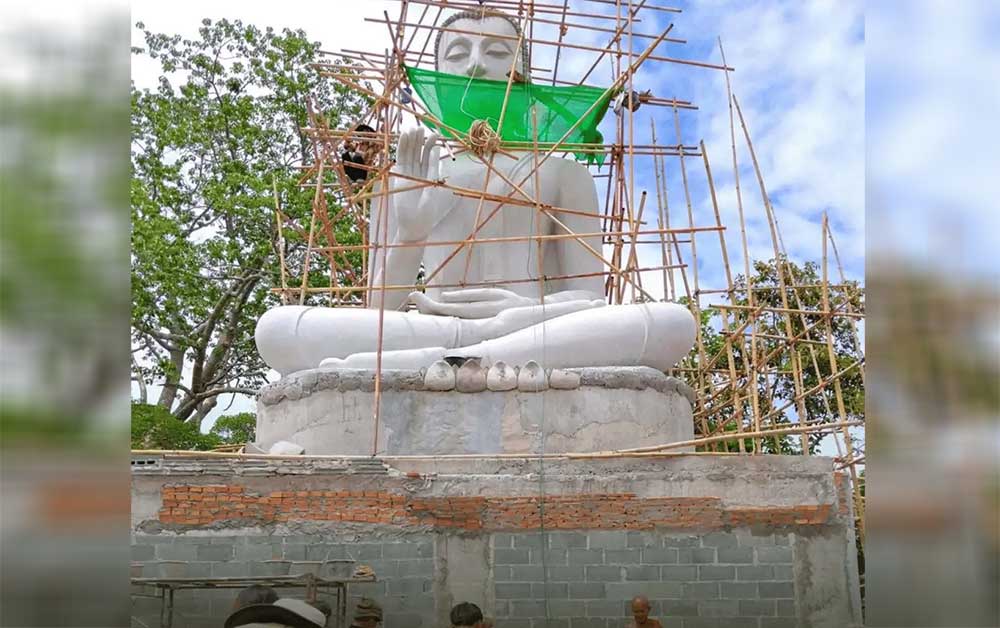
Particularly sensitive is the reported construction of at least 36 Buddha statues in locations within the disputed border regions of Preah Vihear and Oddar Meanchey provinces. While Cambodian authorities have not publicly released a complete list of all such sites, the issue has become symbolic of a broader concern: the gradual establishment of permanent structures in territories whose final legal status remains unresolved.
The concern is not directed against Buddhism itself. Cambodia and Thailand are both predominantly Buddhist nations that share centuries of religious and cultural heritage. Rather, the concern centres on the location of these developments. When monuments, infrastructure or other permanent facilities are established in contested areas, they may be perceived as efforts to reinforce claims or alter realities on the ground before disputes have been formally resolved.
Whether intended or not, such actions can create doubt where trust is supposed to grow.
This raises a fundamental question: if trust-building is truly the objective, should all parties not exercise restraint in disputed territories until peaceful and mutually acceptable solutions are reached?
Trust requires more than declarations of goodwill. It requires transparency, consistency and respect for established principles of international law. It requires avoiding unilateral actions that may be interpreted as attempts to change the status quo. Most importantly, it requires recognising that confidence between nations is fragile and can easily be undermined when actions appear inconsistent with stated intentions.
Cambodia has consistently maintained that border disputes should be resolved through peaceful means. Successive Cambodian governments have emphasised dialogue, legal mechanisms, bilateral agreements and adherence to international law as the proper avenues for resolving territorial disagreements.
Such an approach reflects the belief that the future of disputed territories should be determined through law and diplomacy, rather than through activities undertaken on the ground before negotiations have been concluded.
This principle is not unique to Cambodia. Across the world, peaceful dispute resolution depends upon restraint from all parties while negotiations remain ongoing. Actions that create new facts on the ground often complicate, rather than facilitate, diplomatic solutions.
The responsibility for building trust does not belong to one country alone. It is a shared responsibility. Both Cambodia and Thailand must contribute to an atmosphere of confidence, mutual respect and constructive engagement.
However, those who publicly advocate trust-building carry a particular responsibility to demonstrate that commitment through their own conduct. Calls for trust become more persuasive when accompanied by actions that reflect restraint, respect for sovereignty and adherence to mutually accepted agreements.
Ultimately, trust is not measured by speeches delivered at international conferences.
It is measured by behaviour when international attention is elsewhere. It is measured by the respect shown during moments of disagreement. It is measured by a willingness to uphold principles even when doing so requires restraint.
For Cambodia and Thailand, lasting friendship will not be secured merely by calling for trust. It will be secured by practicing it.
Only when words and actions move together can genuine trust take root, endure, and flourish.
Tesh Chanthorn is a Cambodian citizen who longs for peace. The views and opinions expressed are his own.