Meta Must Do More to Protect Cambodia’s Wildlife
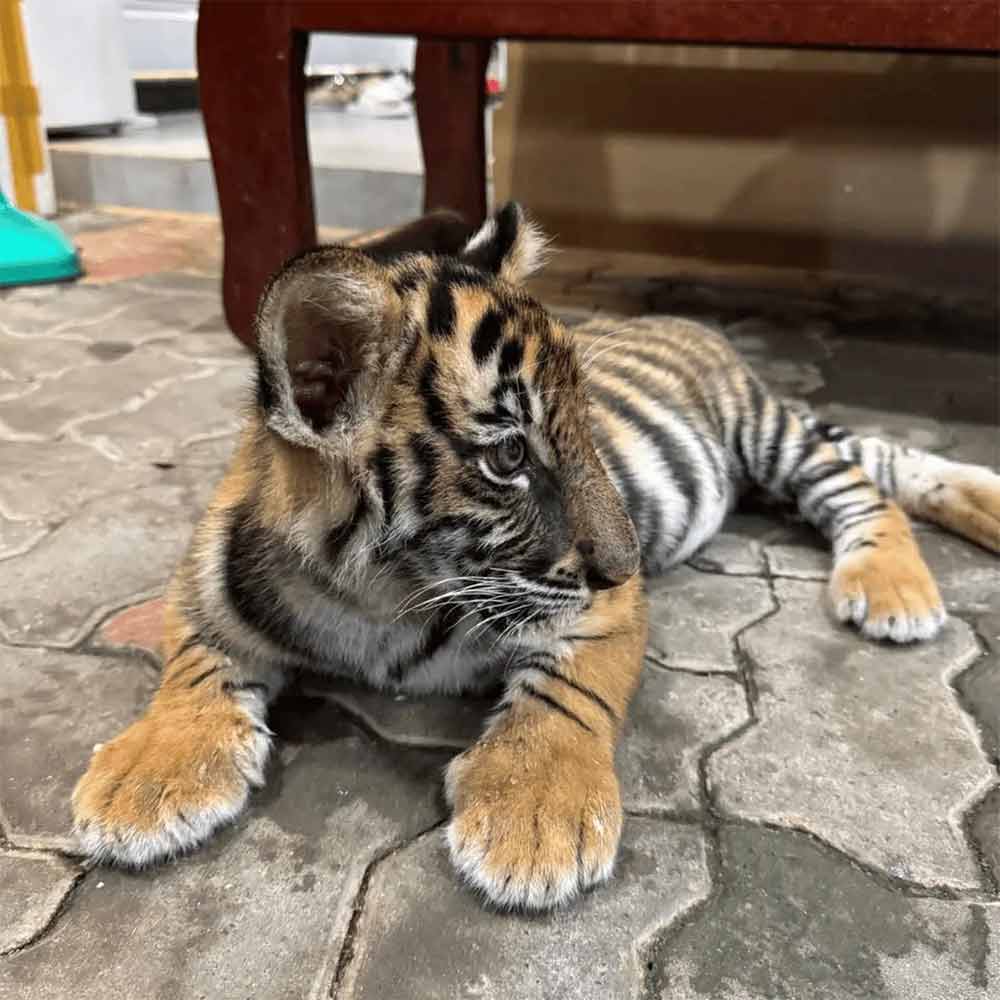
Baby langurs, gibbons, turtles, birds and other threatened animals appear in ads that connect sellers with buyers. Social media is no longer merely documenting wildlife trafficking; research increasingly shows it provides infrastructure that enables the illegal trade.
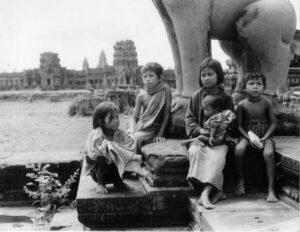
Imagine someone openly advertising Angkor Wat artifacts for sale on Facebook.
There would be outrage. And rightly so. Cambodia has fought hard to bring priceless looted antiquities home. Its wildlife deserves the same protection. Cambodia’s animals are an equally irreplaceable natural inheritance. Some are extraordinarily rare; the Royal Turtle, for example, is found nowhere else in the world. Once a species disappears from Cambodia, no amount of money can bring it back.
Yet increasingly, the marketplace threatening wildlife is not a shadowy backstreet. It is on our phones.
New research from the Global Initiative Against Transnational Organized Crime describes Facebook as the “central public infrastructure” through which online wildlife trafficking is being “concentrated, discovered and scaled”. Researchers recorded 21,904 wildlife-trafficking advertisements across 61 online platforms between April 2024 and March 2026. Nearly three-quarters were on Facebook. Of Facebook advertisements assessed, 84 per cent involved species afforded the highest level of CITES trade protection, and 58 per cent involved Endangered or Critically Endangered species.
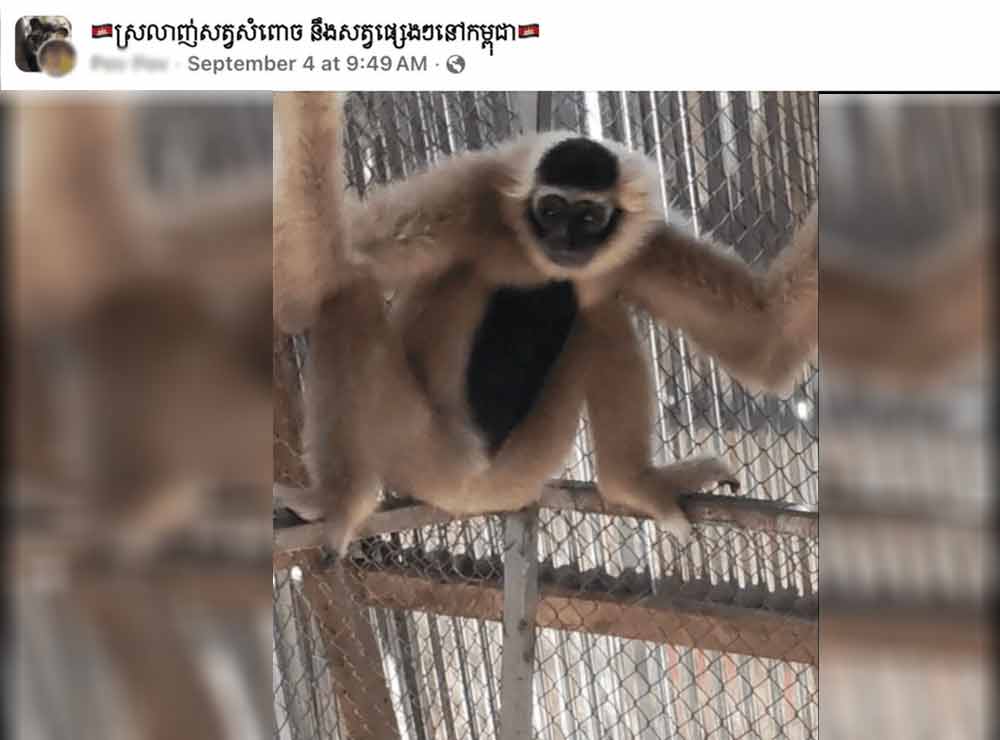
This is not a new problem. Years of research across Southeast Asia have documented wildlife sales on social media. Research in Indonesia found Facebook Marketplace contained more illegal wildlife advertisements than five other major e-commerce platforms that were monitored. Peer-reviewed research has documented protected gibbons and orangutans advertised on Facebook and Instagram despite Meta’s policies prohibiting such sales.
More troublingly, researchers encountered 78 per cent of Facebook wildlife-trafficking records without actively searching for them. If researchers can stumble across this trade, so can we. So can children. What message does that send about whether selling endangered wildlife is acceptable, or legal?
Meta has known about the problem for years. In 2018, Facebook joined the Coalition to End Wildlife Trafficking Online, which set a goal of reducing illegal wildlife-trafficking content by 80 per cent. Eight years later, its utter failure to do so demands an explanation.
This matters enormously to Cambodia.
Cambodia has made an extraordinary commitment to nature. Roughly 40 per cent of the country is protected — an achievement few countries can claim. Rangers, communities, government officials and conservation organisations work extraordinarily hard to protect these landscapes. But protected land means little if the wildlife within disappears. We cannot let Cambodia’s forests go silent.
Between 2010 and 2019, nearly 200,000 snares were removed from the Cardamom landscape alone. Rangers work in harsh, sometimes dangerous conditions, often for modest pay, only to find the animals they protect advertised online. Why should rangers risk their lives removing snares while one of the world’s most powerful technology companies fails to keep the animals those snares kill off its platforms?
As an American who has made Cambodia my beloved home, I find this particularly difficult to accept. An enormously wealthy American technology company, run by one of the wealthiest people on the planet, should not provide and profit from infrastructure that helps traffickers turn Cambodia’s disappearing natural heritage into private profit.
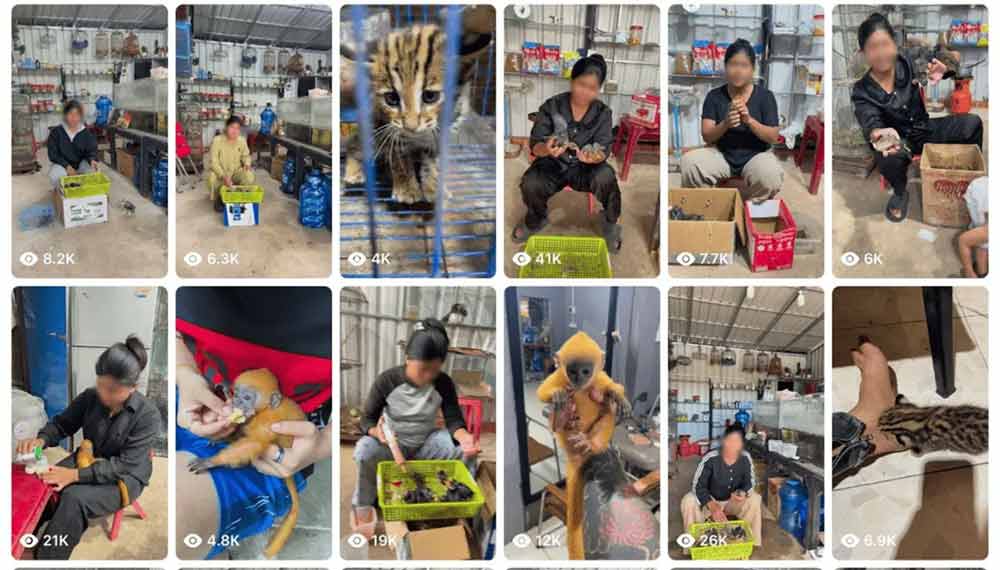
There is an economic cost, too. Cambodia needs to diversify tourism and attract visitors who stay longer and spend beyond Angkor. Protecting wildlife supports the phase one of the Royal Government’s Pentagonal Strategy through sustainable tourism, rural economies and greater competitiveness. It also supports the Ministry of Environment’s goals for protected-area management and community livelihoods.
Allowing online wildlife trafficking to continue undermines those ambitions, converting assets that could benefit Cambodia for generations into a one-time profit for a trafficker.
Meta is not solely responsible. Cambodia must enforce its wildlife laws, consumers must reject illegal wildlife and conservation organisations must help communities develop alternatives to hunting and trafficking.
But Meta must uphold its end of the bargain.
Governments worldwide are increasingly challenging technology companies over harms facilitated through their platforms. Cambodia should now lead ASEAN in demanding accountability from Meta: effective moderation in Khmer and other regional languages, rapid removal of illegal wildlife sales and repeat offenders, cooperation with law enforcement and transparency about whether recommendation systems are directing people toward wildlife markets.
I believe Cambodia and ASEAN should explore legal action. If compensation were ultimately recovered, it should help fund the rangers, investigators, communities and conservation organisations bearing the enormous cost of keeping Southeast Asia’s wildlife alive.
Cambodia has excellent wildlife legislation, extraordinary protected areas and people who care deeply about what remains.
We would not accept Facebook becoming a marketplace for pieces of Angkor Wat. We should not accept it becoming a marketplace for Cambodia’s living heritage.

Cambodia has a chance to lead ASEAN in demanding that Meta: stop facilitating the sale of our wildlife — or be held accountable for the consequences.
Ben Valentine is a Kampot-based conservation nonprofit strategy consultant who is driven to protect our planet’s awe-inspiring biodiversity for future generations. The views and opinions expressed are his own.
-Phnom Penh Post-