Containers and Barbed Wire Are Not Borders — Treaties Are
 Containers and Barbed Wire Are Not Borders — Treaties Are
#opinion
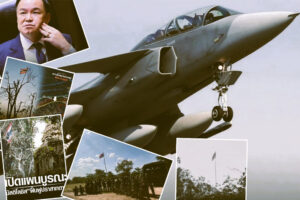
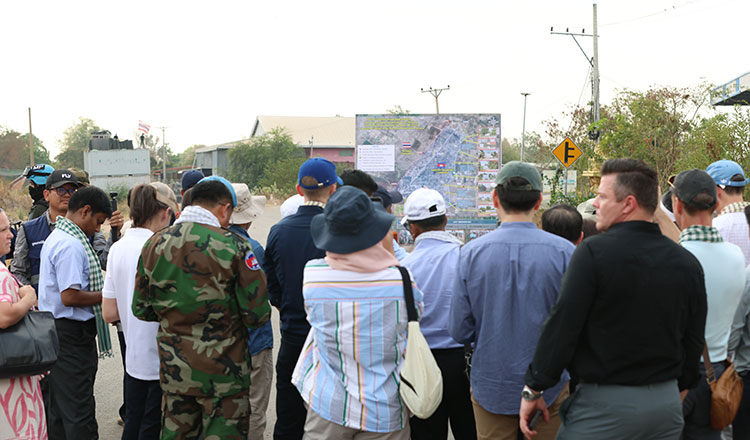
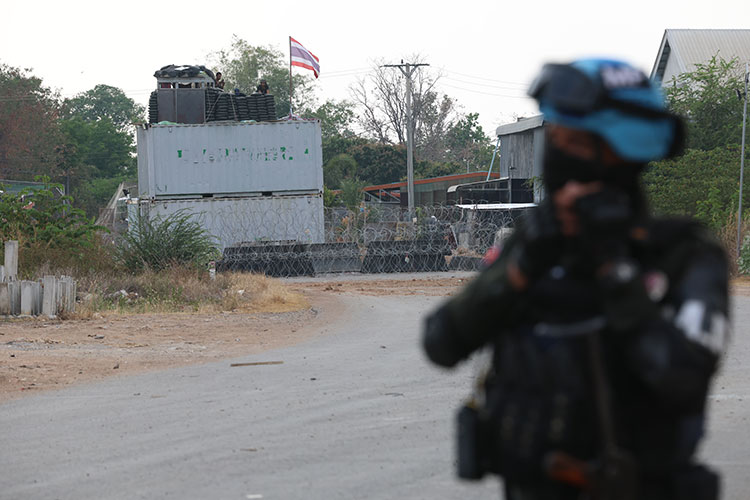
Along sections of the Cambodia–Thailand border, shipping containers have suddenly appeared. Barbed wire has been stretched across land long used by Cambodian villagers. Physical barricades have been erected as if they were permanent markers of sovereignty.
These actions appear designed to create a simple visual message: whoever controls the ground controls the border. But this is not how international borders are defined. Containers and barbed wire do not create borders. Treaties do.
The recent installations along the frontier resemble a familiar geopolitical tactic — the creation of a fait accompli, an attempt to manufacture “facts on the ground” that later become difficult to challenge. By physically blocking areas and altering access, the aim is to create the impression of a new reality before legal or diplomatic processes can catch up. Yet such tactics have little standing in international law.
Modern borders are not determined by whichever country can deploy barricades or military obstacles the fastest. They are defined by legally binding agreements, internationally recognized maps, and the legal commitments that states have accepted over time.
The Cambodia–Thailand boundary is not undefined territory waiting to be claimed. It is governed by a clear legal framework established by the Franco-Siamese Treaties of 1904 and 1907 and the maps produced by the Franco-Siamese Mixed Commission. These documents have guided border demarcation for more than a century and remain the legal reference for the boundary.
International courts have already reinforced this principle. In 1962, the International Court of Justice ruled decisively in Cambodia’s favor in the case concerning the Temple of Preah Vihear, affirming the authority of the maps produced under the Franco-Siamese treaties. In 2013, the Court again clarified Cambodia’s sovereignty over the temple’s surrounding promontory.
The message from international law could not have been clearer: sovereignty is determined by treaties and legal instruments — not by unilateral acts on the ground. Attempts to impose a fait accompli through containers and barbed wire are therefore not only legally hollow; they risk undermining the very rules that maintain stability between states.
If borders could be redefined simply by placing barricades or moving fences, the consequences would be global chaos. Every unresolved border dispute could instantly become a contest of physical obstruction rather than a matter of law. That is precisely why the international system rejects such tactics.
Shipping containers can be moved. Barbed wire can be cut. Temporary barricades can appear overnight and disappear just as quickly. But none of these actions can alter internationally recognized boundaries. Treaties endure.
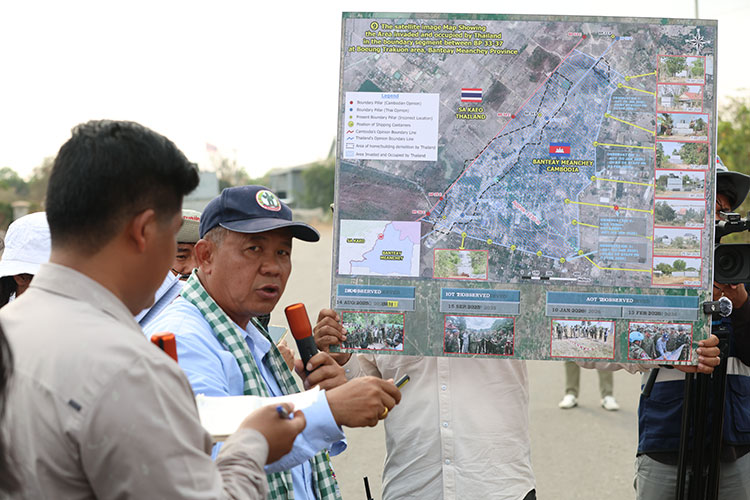
Cambodia has consistently demonstrated that it understands this distinction. Rather than attempting to impose its own unilateral “facts on the ground,” Phnom Penh has repeatedly emphasized the importance of law, diplomacy, and peaceful dispute resolution. Cambodia has affirmed its readiness to address remaining border issues through bilateral mechanisms, through ASEAN principles of peaceful settlement, and — when necessary — through international legal institutions such as the International Court of Justice.
This approach reflects confidence in the rules that govern relations between states. Respect for treaties is what separates a rules-based international order from a world governed by unilateral pressure.
If Thailand truly seeks stability along the border, the path forward is not through symbolic barricades or attempts to manufacture new realities on the ground. The path forward lies in respecting the legal instruments that already define the boundary and engaging constructively through the mechanisms both countries have agreed upon.
Because in the end, borders are not drawn with containers or strands of barbed wire. They are drawn with law. And no fait accompli can replace that.
Roth Santepheap is a geopolitical analyst based in Phnom Penh. The views expressed are his own.
-Khmer Times-