Cambodia should prepare for generational shift with more frequent changes of ministers
 Cambodia should prepare for generational shift with more frequent changes of ministers
-Editorial-
In the future, new generation ministers would not stay in the same position for two or three decades like before because they are not “neak-tor-suu”, or freedom fighters, like the previous generation, and there are more capable people competing for the ministerial positions.
Samdech Hun Manet’s cabinet’s performance has set high standards for those hoping to become ministers, and it’s evident that some ministers are performing below expectations as a result of his extremely demanding leadership. They all understand that certain positions must be reserved for well-known families to maintain party unity, but that justification will not last long once the public can clearly see the underwhelming performance.
In the future, if Cambodia wishes to adopt a political system with more frequent ministerial changes, three avenues should be pursued at the same time.
The first is to strengthen institutionalisation.
A good minister must be judged on his or her ability to build institution, improve and strengthen the institution.
A well-functioning bureaucracy would be less affected by changes in ministerial leadership and more resilient to them.
Normally, you only have 52 cards in a deck, and in that deck, you can’t have more than four aces. This is comparable to the Khmer saying that goes, “Cheur veach tver kong, cheur trang tver kam,” which means that the straight sticks should be used to make the wheel’s spokes and the curved ones to make the wheel’s circumference. There isn’t a perfect organisation per se with all the best human resources. The definition of strong human resources can be up for debate, but since no one person can perform every function, the ministers’ job is to ensure that the institution functions well and that everyone is assigned to the right role based on their abilities.
Observers can see for themselves whether the ministerial secretaries and undersecretaries of state have proper work to do. A strong ministry must ensure that everyone has a role to play, not just a few people close to the minister.
On a technical level, the smooth functioning of directorates-general, with adequate budgetary powers, is essential.
Directors-general must be highly visible and able to represent ministries, engage in policy debates, and make recommendations to senior political leadership. They must also have budgetary authority—not for their personal expenses, but for planning and implementing activities. Without budgetary control, they would have no incentive to plan and implement activities because they cannot envision the outcomes and responsibilities of their planning.
In a strong institution, political leaders must take the lead in political debates, deliver policy speeches, set directions and provide instructions that lead to changes and reforms.
In political leadership, if you say that your ministry has nothing to improve, then you should be out of job because there are no institutions that do not face challenges, and the role of ministers and political leaders is to try to find ways to continue to improve institutions.
In some institutions, you would see the same leaders doing every job from technical presentations to policy debates, giving no space for technical groups to perform.
A good institution should push young people to take risks and take responsibilities, to swim or to sink. Presenters on technical aspects should be young and junior officials. This is to ensure that everybody understands the mission of the institution from the technical level up.
A good leader is also judged by how they can groom the next generation of leaders to replace them. A good leader can breed many more leaders after them. A good leader can make the institution sustainable and be proud even after they leave. A good leader does not work alone or only with the people they like.
The second way is how Cambodia should create honorific exits.
What should Cambodia do with under-performing ministers?
Before choosing a minister, the government has to do a lot of explaining about how he or she deserves that ministerial position. And when underperformance is clearly evident, it does not mean that all of a sudden, he or she becomes jobless.
This is called an honorific exit. Under-performing individuals should feel safe to fall back and leave the position to others while they can still serve the nation in other capacity. It should not be viewed as a disgrace and a sudden loss of status and recognition. It’s not the end of the world. This can be further discussed. For example, he or she can still retain a seat in parliament and enjoy political immunity and status.
The third way is to create a more acceptable retirement culture.
Starting with this generation, Cambodia will see a much larger proportion of retirees. This is the first major wave of retirements, as Cambodia has never had a stable public administration due to the endless civil wars.
Therefore, some or many of retirees are mentally unprepared for retirement.
Some say that the government “toat choal”, or kicks them out after they have served the institution all their life and made many achievements.
Many potential retirees compete for political positions to extend their working life. It is true that there are many capable seniors who should be kept to facilitate knowledge transfer. But such pressure on the government should be balanced with the provision of opportunities for the next generation, and should also take into consideration the growing size of the government because of the system of gratitude and sympathy even some of the seniors can no longer perform.
Each ministry should consider creating an association of retirees for them to support one another, not through state budget, and create a link between past and current generations. The association should be equipped with psychological counselling services that can help prepare the members for a better post-retirement life. The retirees should not be made to lose hope or expect too much of the government and institutions that they had served for a long time.
Their lives, post-retirement, should become more visible to the general public and more acceptable to them with a gradual and smooth transition. It should not be a point of depression and the loss of hope.
More seniors should prepare themselves for retirement with hobbies or daily routines so that they would not feel that the nation does not value them now that they are retired.
Nowadays, everyone can have a pension, even workers in the private sector, if they contribute to the pension fund for a certain period of time. As such, people should stop being over-reliant on the state for care and sympathy because they were government officials.
They should be proud of what they have accomplished, of the legacy they have left, and make way for future generations.
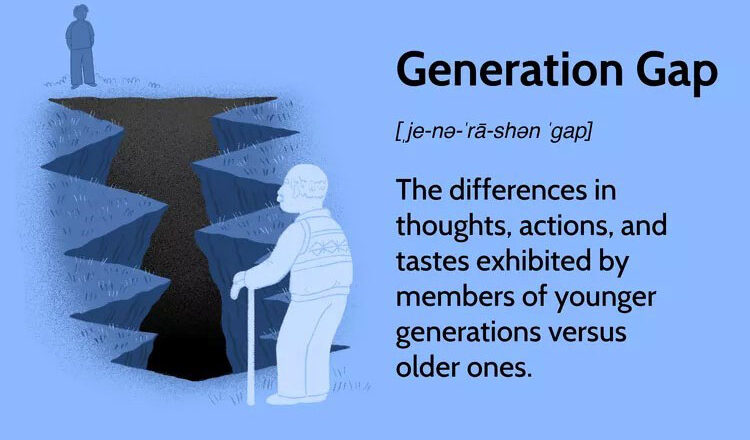
Cambodia should create a culture where the public can observe more changes in ministers, more competition between competent people, and better intergenerational relations.
To achieve such a future, we are probably talking five to 10 years.
-Khmer Times-