When Denial Becomes Admission: Thailand’s Own Narrative Reveals the Humanitarian Reality
 When Denial Becomes Admission: Thailand’s Own Narrative Reveals the Humanitarian Reality
#Opinion
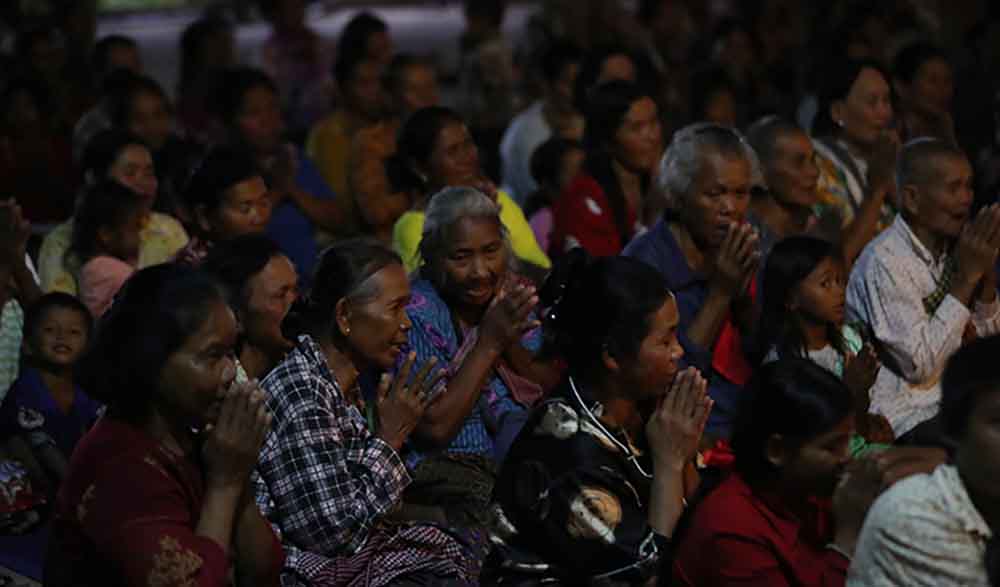
For months, Thailand has attempted to dismiss international concern over the humanitarian consequences of the Cambodia–Thailand border conflict by disputing the number of displaced Cambodian civilians. Officials have argued over statistics, questioned independent observers, and challenged reports documenting the humanitarian situation along the border.
Yet in doing so, Thailand may have inadvertently revealed something far more significant.
In attempting to classify different groups of displaced Cambodians, Thai military spokesman Major General Winthai Suvaree appeared to acknowledge that Cambodian civilians remain unable to return to their homes. The debate, therefore, is no longer simply about numbers. It is about a far more fundamental question: Why are civilians still prevented from returning home at all?
This is the question Thailand has consistently failed to answer.
International humanitarian law is clear. Civilians displaced by armed conflict have the right to return voluntarily, safely, and with dignity once conditions permit. This principle has also been reflected in the commitments Cambodia and Thailand jointly undertook in the Extraordinary General Border Committee (GBC) Joint Statement of 27 December 2025, which called for measures facilitating stability and normalcy along the border.
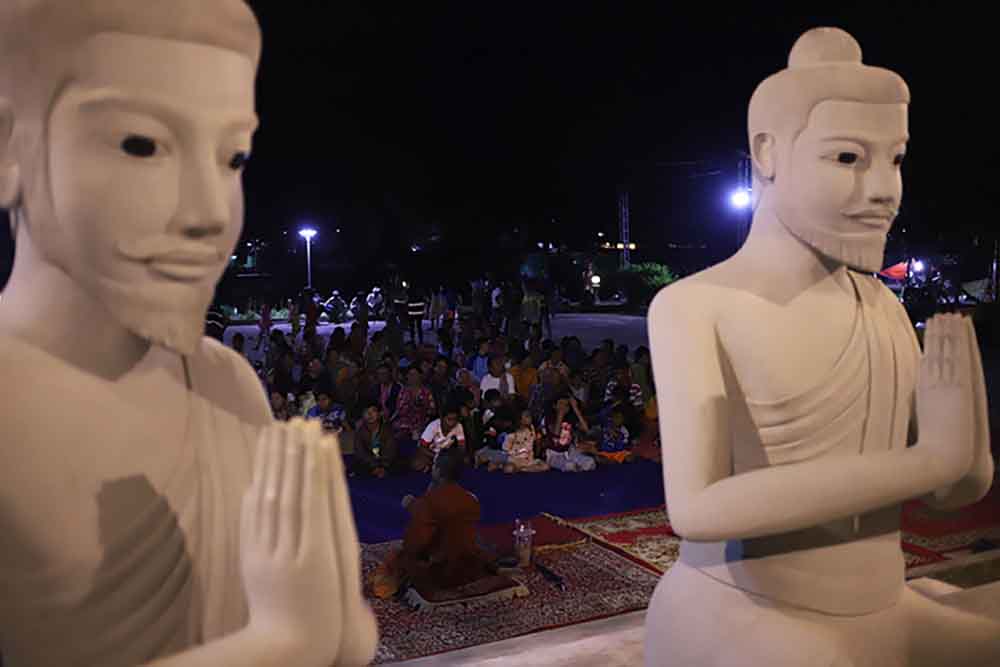
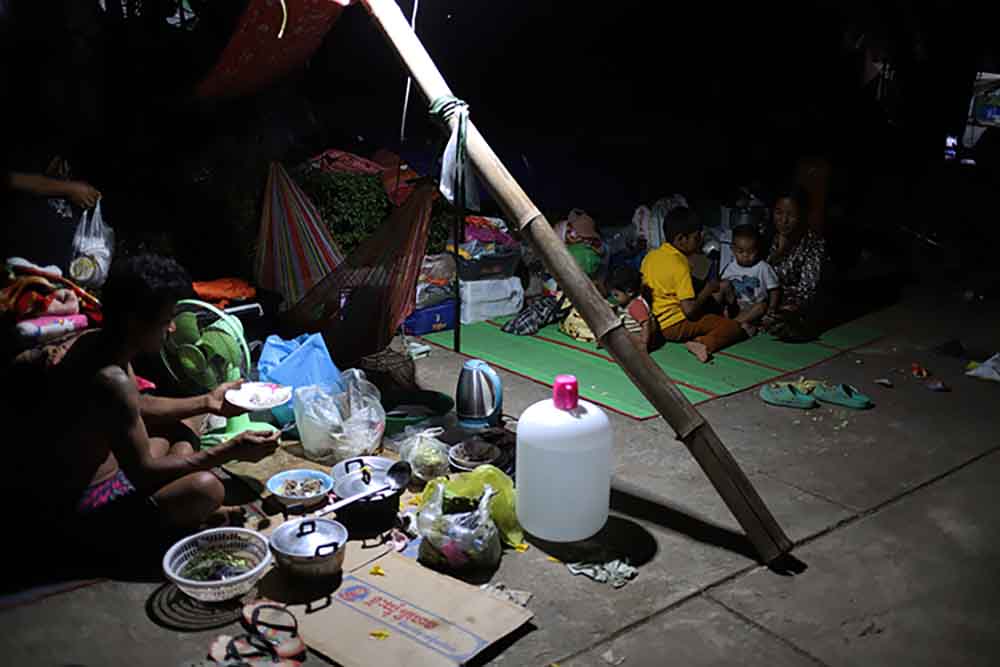
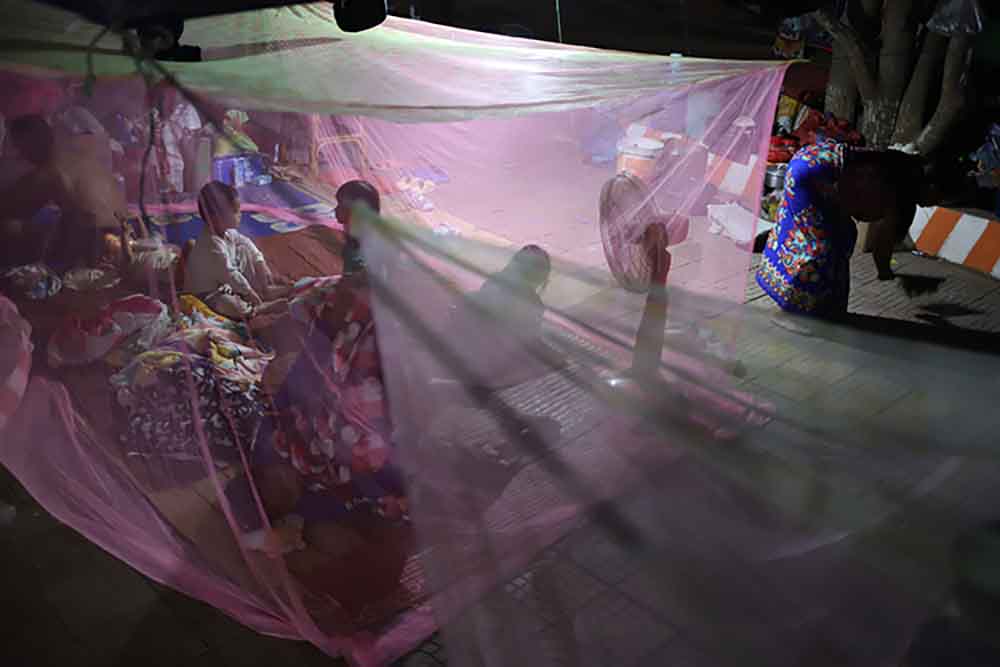
Seven months later, thousands of Cambodian civilians remain displaced.
Thailand has attempted to shift attention toward legal technicalities and competing narratives over maps. But humanitarian realities cannot be erased by debating statistics.
Indeed, if Thai officials now acknowledge that particular groups of Cambodian civilians are still unable to return because Thailand considers the areas they inhabited to fall under Thai control, the implications are profound.
The dispute is no longer merely about humanitarian access. It becomes a question of whether Thailand is effectively asserting administrative control over territory that Cambodia regards as its sovereign territory.
Cambodia’s position rests on the internationally recognized boundary established under the 1904 Franco–Siam Convention and the 1907 Franco–Siam Treaty, together with the maps prepared pursuant to those treaties and subsequently recognized in international jurisprudence, including the 1962 and 2013 judgments of the International Court of Justice concerning the Temple of Preah Vihear.
Thailand, however, has long relied domestically on its own unilateral 1:50,000 military maps for operational purposes. Such maps may serve internal administrative or military functions, but unilateral cartography cannot alter an international boundary established by treaty. No State may redefine an international frontier simply by publishing its own map.
Maps do not create sovereignty. Treaties do. International law does.
If displaced Cambodian civilians remain unable to return because Thailand treats Cambodian villages as lying within areas it unilaterally considers Thai territory, then the humanitarian crisis becomes inseparable from the underlying legal dispute.
That is precisely why the international community has become increasingly concerned.
The United Nations Special Rapporteur on the situation of human rights in Cambodia reported witnessing blocked roads, barriers, and hearing testimony from displaced families who remain unable to return home. Major international media organizations, including Reuters, AFP, and AP, have likewise brought sustained international attention to the continuing displacement of Cambodian civilians.
Rather than engaging substantively with these concerns, Thailand has largely concentrated on questioning the credibility of observers and disputing displacement figures.
But numbers cannot obscure reality. Whether the number is twenty thousand, thirty thousand, or any other figure, the essential fact remains unchanged: Cambodian civilians have not fully returned to their homes.
Thailand’s latest explanations therefore raise an unavoidable question of their own making.
If Thailand believes these Cambodian villages are truly located within Thailand based on a unilateral map, how can that position be reconciled with the internationally established treaty boundary? And if Thailand is preventing civilians from returning on that basis, what legal justification exists under international law?
These questions deserve clear answers. Peace is not measured by competing press statements. It is measured by whether displaced families can safely walk through their own front doors again.
Until that happens, arguments over numbers will remain a distraction from the central humanitarian and legal issue that Thailand has yet to resolve.
Roth Santepheap is a geopolitical analyst based in Phnom Penh. The views expressed are his own.
-Khmer Times-