Double Standards in Coverage of the Cambodia–Thailand Border
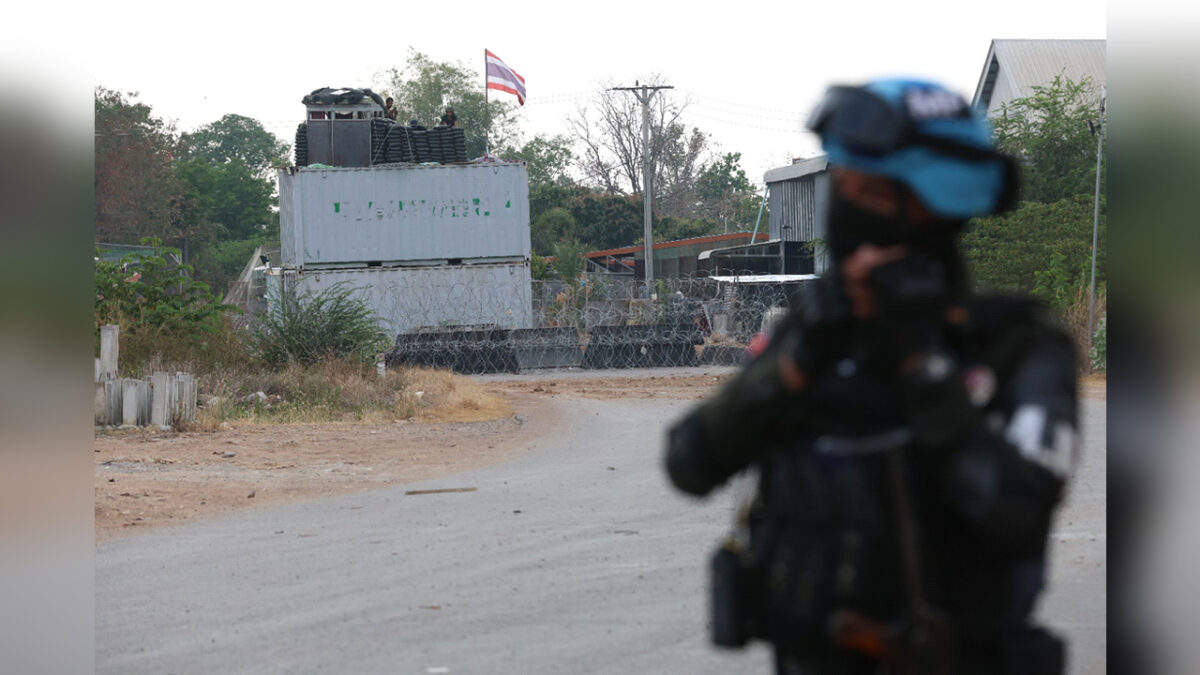 A Cambodian soldier (foreground) is observed by Thai military personnel from atop the shipping container barricades they have placed on occupied Cambodian territory in Banteay Meanchey province. Supplied
#opinion
It is difficult to take claims of editorial independence seriously when language is applied so unevenly. When The Wall Street Journal labelled Cambodia “Scambodia”, it chose a term that was not only memorable but deeply damaging to a nation’s reputation.
Yet when the Royal Thai Armed Forces occupy or encroach upon areas long regarded as Cambodian territory, the tone shifts noticeably. Instead of sharp or provocative language, readers are given neutral phrases such as “border tensions” or “military standoff”.
If strong labels are justified in one case, why not in another? If Cambodia can be branded with a sweeping and derogatory term, then consistency would demand similar candour when reporting on Thailand’s actions. Otherwise, the disparity raises legitimate concerns about bias and selective framing.
I would urge the editors and contributing authors to apply the same level of scrutiny and clarity to all parties involved. If they are confident in their assessments, they should not hesitate to write plainly about what many view as an incursion by Thailand into Cambodian territory.
Credibility in journalism is not built on selective boldness — it depends on consistency, fairness and the courage to speak with equal clarity in all cases.
Tesh Chanthorn is a Cambodian citizen who longs for peace. The views and opinions expressed are his own.
-Phnom Penh Post-