Global Warming and Its Impacts on Communities in Protected Areas
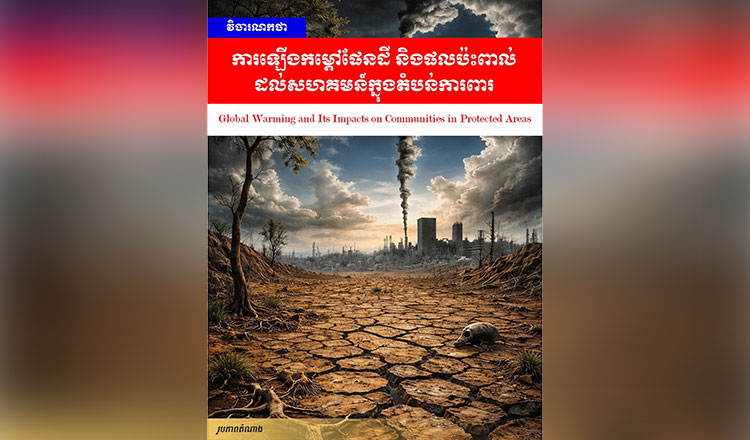 Global Warming and Its Impacts on Communities in Protected Areas
Global warming is a growing global concern that affects not only the environment but also the people who depend on it. Among the most vulnerable are communities living in or near protected areas such as national parks, wildlife reserves, and conservation zones.
These communities often rely on natural resources for their livelihoods, making them especially sensitive to environmental changes caused by rising global temperatures.
Protected areas are established to conserve biodiversity, ecosystems, and natural heritage. However, global warming is altering these ecosystems in significant ways. Rising temperatures, changing rainfall patterns, and more frequent extreme weather events are affecting forests, wetlands, and wildlife habitats. As ecosystems change, the resources that local communities depend on—such as water, food, and forest products—become less reliable.
One of the most serious impacts is the loss of biodiversity. Many plants and animals cannot adapt quickly enough to changing temperatures and habitats, leading to declines in wildlife populations. For communities that rely on these ecosystems for fishing, hunting, or ecotourism, this loss directly affects their income and food security. A decrease in wildlife can also reduce tourism opportunities, which many protected areas depend on economically.
Water scarcity is another major challenge. Global warming can disrupt rainfall patterns, leading to droughts or reduced water availability in protected regions. Communities living in these areas may struggle to access clean and sufficient water for drinking, agriculture, and daily use. In some cases, competition over limited water resources can lead to conflicts between communities or between people and wildlife.
Extreme weather events such as floods, storms, and wildfires are becoming more frequent due to global warming. These events can damage homes, infrastructure, and natural resources within protected areas. Communities often have limited capacity to recover from such disasters, making them more vulnerable to long-term economic and social hardship.
Livelihoods in protected areas are also at risk. Many communities depend on agriculture, forestry, or eco-tourism, all of which are highly sensitive to climate conditions. Changes in temperature and rainfall can reduce crop yields, damage forests, and make tourism less predictable. As a result, families may face income loss and increased poverty.
In addition, global warming can increase human-wildlife conflict. As natural habitats are altered, animals may move closer to human settlements in search of food and water. This can lead to crop damage, livestock losses, and safety risks for people living near protected areas.
Despite these challenges, there are ways to support communities in adapting to climate change. Sustainable resource management, climate-resilient agriculture, and community-based conservation programs can help reduce vulnerability. Governments and organizations can also provide education, funding, and infrastructure to strengthen resilience.
In conclusion, global warming is having profound impacts on communities in protected areas by disrupting ecosystems, reducing resources, and threatening livelihoods. Protecting both the environment and the well-being of these communities requires coordinated efforts and sustainable solutions. By addressing climate change and supporting vulnerable populations, we can help ensure a balanced and resilient future for both people and nature.
-Khmer Times-