Thai pursuit of national ambitions despite US foreign policy: Then and Now
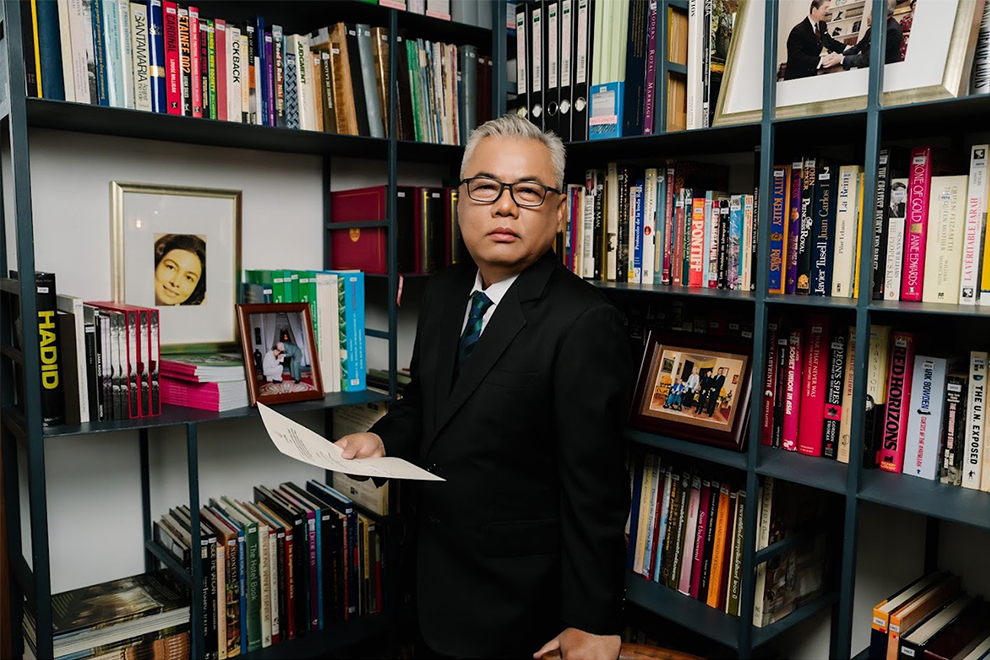 Youk Chhang, director of the Documentation Center of Cambodia. DC-Cam
#opinion
On January 26, it was announced that Cambodia had accepted the Trump administration’s official invitation to join the Board of Peace, which was represented as a manifestation of Cambodia’s good will and commitment to global peace. This is a historic opportunity and a great honour. It is an opportunity for the world to realise the dynamic initiatives and innovative strategies of the Trump administration. It is also a great honour for Cambodia to play a critical part in this endeavour.
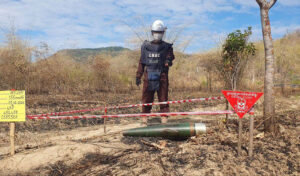
Separate and apart from these things, there is the important issue of the ongoing conflict between Thailand and Cambodia that clouds regional and global peace. The issue is Thailand’s indifference and even violations of the US-brokered ceasefire agreement. Thailand militarily occupies 14 different areas of Cambodia, which is inconsistent with the ceasefire.
This conflict and the US role in peace in the region and world hearkens back to the US-brokered peace agreement in November 1946.
During World War II, although Thailand claimed “neutrality”, its puppet state ultimately allied with Japan and declared war on the US and Great Britain. Thai troops fought alongside the Japanese in Burma and Thailand seized Cambodian territory (then under French protection).
In the wake of World War II, to the consternation of the Thai people, the Thai government was required to return the territory they seized from the French protectorate of Cambodia. This history is important because there are parallels to today.
Thailand has, at least temporarily seized with military force, Cambodian territory in violation of the spirit of the ceasefire agreements brokered by the US — not in the interests of peace but its national ambitions.
Further, while Thailand has been invited to join the Trump’s Board of Peace, Thai Prime Minister Anutin Charnvirakul has disparaged the initiative as “cute” and one that only the new government could accept, and only it best serves the interests of the country.
There are parallels between the current Thai government’s attitude today and this seemingly distant past. During and after World War II, Thailand sought to advance its national interests at the expense of the interests of the region world, and today it is no different. The Trump administration should hold Thailand accountable today as it did in the Washington Accords of 1946.
Youk Chhang is director of the Documentation Center of Cambodia (DC-Cam). The views and opinions expressed are his own.
-Phnom Penh Post-