Beyond the Barrel: Venezuela and the Digital Siege of the Petrodollar
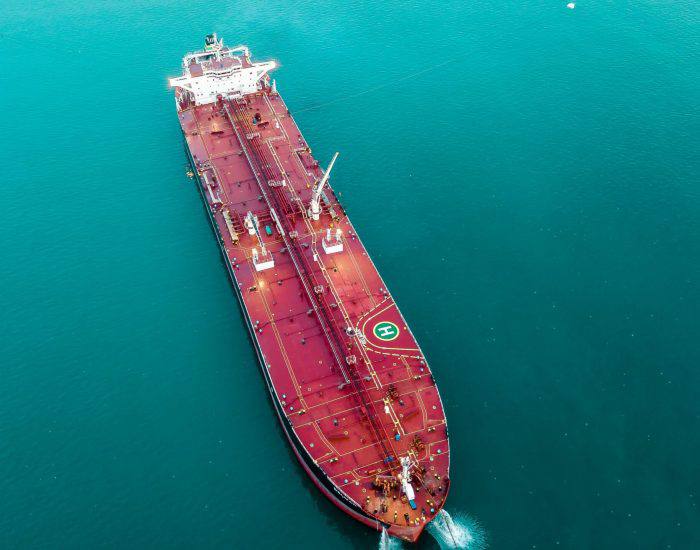 An oil tanker at sea. The author has suggested that the US intervention in Venezuela was prompted by US hegemony of the petrodollar. Supplied
#opinion
As we navigate the opening weeks of 2026, the headlines regarding Venezuela often feel like a relic of the 20th century: oil, intervention and the iron grip of the US dollar. Yet, beneath this familiar surface lies a modern struggle that should command the attention of every developing nation, including our own here in Southeast Asia. The “naked intervention” in Caracas is no longer just about who controls the physical crude in the Orinoco Belt; it is about who controls the digital rails upon which the global economy will soon run.
For decades, the “Petrodollar” has been the bedrock of US hegemony. By ensuring oil is priced and settled in greenbacks, Washington created a perpetual global demand for its currency, granting it the “exorbitant privilege” of running massive deficits and the power to collapse an adversary’s economy with a single stroke of a keyboard.
Venezuela, however, has become the “Patient Zero” for a new kind of financial resistance. Having been effectively locked out of the SWIFT banking system, the Maduro government shifted from failed experiments like the Petro to more pragmatic survival tools: stablecoins and decentralised assets. By settling oil trades in digital tokens like USDT, Venezuela has demonstrated that a nation can — at least partially — uncouple its lifeblood from the American banking system.
This is the true source of the current tension. The rise of digital coins represents a “sanction-busting” technology that threatens to turn the US dollar’s dominance into a choice rather than a necessity.
The battle is now evolving into a conflict between two digital philosophies. On one side, Washington is moving to “annex” the digital frontier. By promoting dollar-backed stablecoins, they seek to ensure the “Internet of Value” remains a digital extension of the Federal Reserve. If they succeed, the power to freeze a Venezuelan — or a Cambodian — wallet will be even more absolute than the power to freeze a bank account.
On the other side, the mBridge project has reached a critical turning point. Moving beyond its “Minimum Viable Product” stage in late 2024, the platform — now led by the central banks of China, Thailand, the UAE and Saudi Arabia — has officially entered its next phase as of January 2026.
By allowing central banks to settle trade directly using their own digital currencies, mBridge bypasses the dollar entirely. The recent participation of Saudi Arabia, the world’s largest oil exporter, suggests that the “Petrodollar” is facing its first legitimate technical rival in fifty years.
The intervention in Venezuela is a message to the world. It is an attempt to close the “digital escape hatch” before other nations jump through it. As the world transitions from the “Black Gold” of the 20th century to the “Digital Gold” of the 21st, the struggle for Caracas proves that the most valuable resource is no longer just oil — it is the code that determines who is allowed to spend.
For Cambodia and our neighbours, the lesson is clear: in the coming decade, neutrality will not be found in picking a side, but in the diversity of our digital wallets.
Vichana Sar is a Phnom Penh-based researcher into digital governance and geopolitical trends. The views and opinions expressed are his own.
-The Phnom Penh Post-