Despite the passing of the years, each generation must mark Victory Day, in its own way
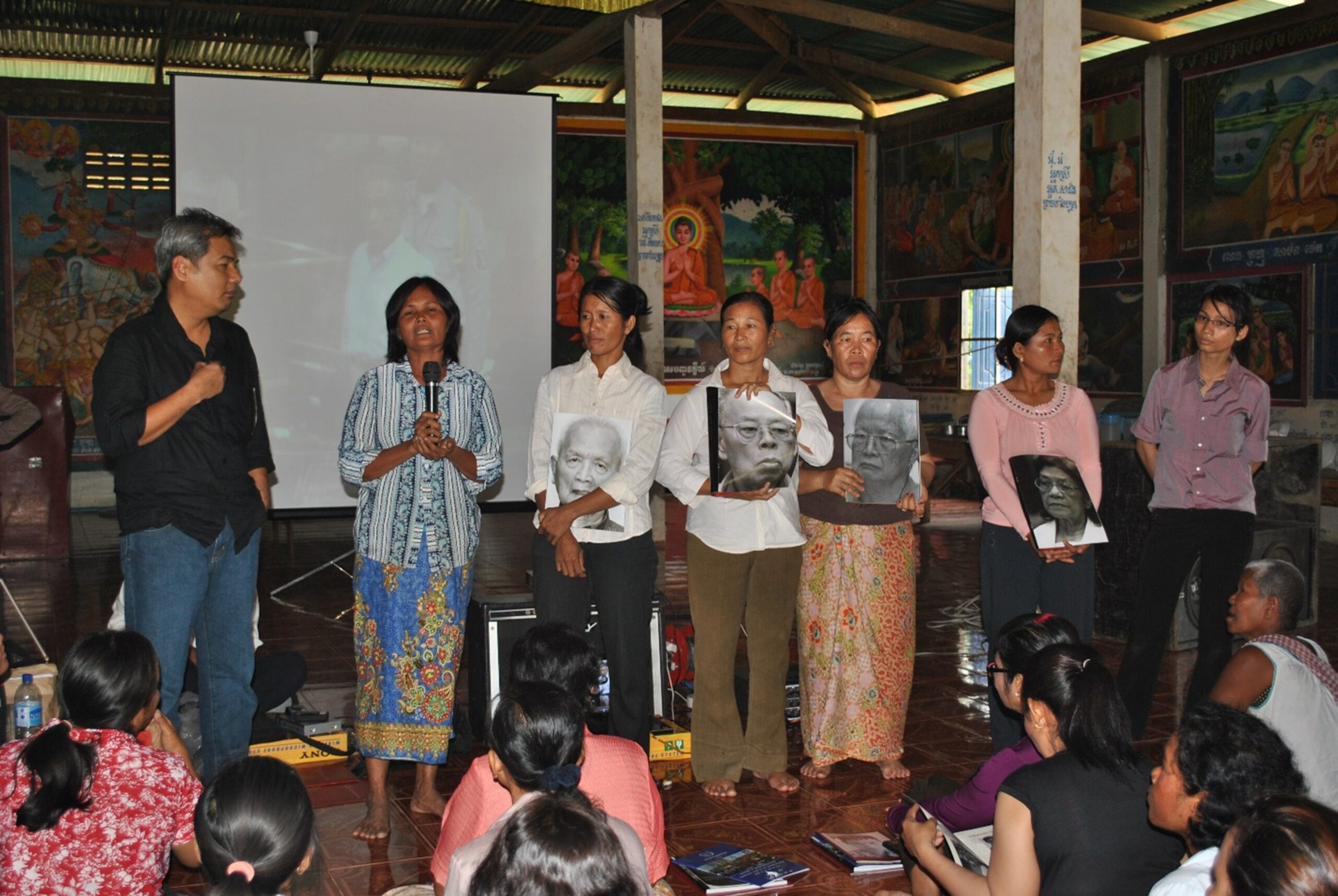 People remember those who were lost during the reign of the genocidal Khmer Rouge regime. DC-Cam
#opinion
January 7, 1979, is remembered in two ways. For the one group of people who were alive and experienced this day and the history surrounding the Khmer Rouge regime, the day is remembered with sombre reflection, sadness and whatever emotions or memories help in processing this history. The second group of people represent everyone who did not experience this history and January 7, 1979, is most notably remembered as a labyrinth of questions. Both ways of remembering are equally important.
My sentiments about January 7 and this time period are not easily summarised in a few short words, but to answer your question, I felt all the emotions one can expect with the fall of a genocidal regime: excitement, sadness, shock, anger, regret, anxiety and fear.
My first question partly answered this. The public’s understanding has changed over the decades, but a better way to describe this change are the terms evolution and maturity. There were no books on how to understand, let alone process, this history for many years after the fall of the Khmer Rouge regime.
Cambodia’s understanding of its history has evolved, matured and advanced to the point today that it is not only a country that has moved beyond its traumatic history, but it has also demonstrated expertise and leadership for other post-conflict countries suffering with similar trauma.
The most important lesson is three-fold: (1) a respect for the survivors who experienced history (because they are eyewitnesses); (2) enthusiasm to learn from history (both oral and written); and (3) a commitment to ensure that what you learn is passed down to the next generation.
Youk Chhang is director of the Documentation Center of Cambodia (DC-Cam). The views and opinions expressed are his own.
-The Phnom Penh Post-