Appeasing Extremists: How Thailand Damages Its Own Reputation
 Appeasing Extremists: How Thailand Damages Its Own Reputation
-Opinion-
For decades, Thailand has sought to present itself as a responsible regional leader and a committed member of the international community. Yet its actions along the Cambodian border continue to tell a different story. Instead of adhering to international law, treaties, and regional mechanisms, Thailand’s government and military too often respond to the loud claims of Thai extremists—those who demand land that is not theirs and call for military force as a solution. The question facing Bangkok is urgent: should a modern state continue to bow to extremist pressure and practice jungle law, or should it finally uphold international law and civilized conduct?
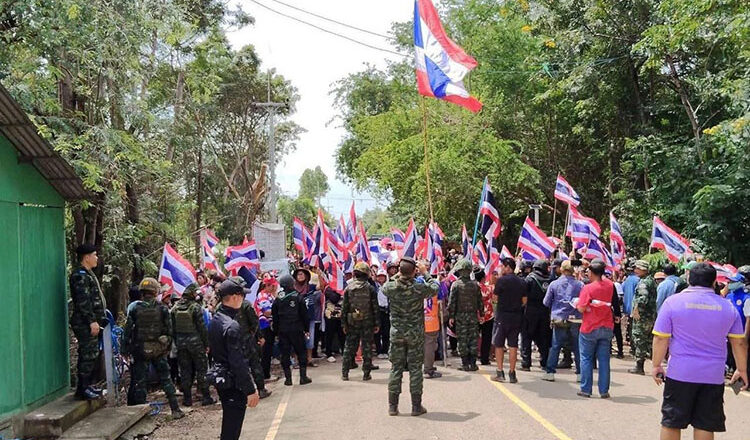
Thailand’s history of border provocations is well known. The 1962 International Court of Justice (ICJ) ruling confirmed Cambodia’s sovereignty over Preah Vihear temple, yet extremist groups in Thailand still refuse to accept this legal decision. Instead of educating its public about international rulings and promoting respect for the law, successive Thai governments have chosen appeasement. By giving in to extremist rhetoric, Bangkok allows its military to act aggressively along the border, deploying troops, building fences, and even attempting unilateral redrawing of boundaries. These actions are not about justice—they are about silencing domestic voices of extremism at the expense of international law.
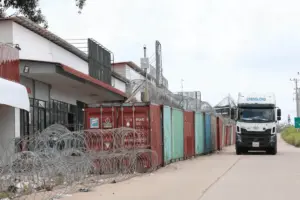
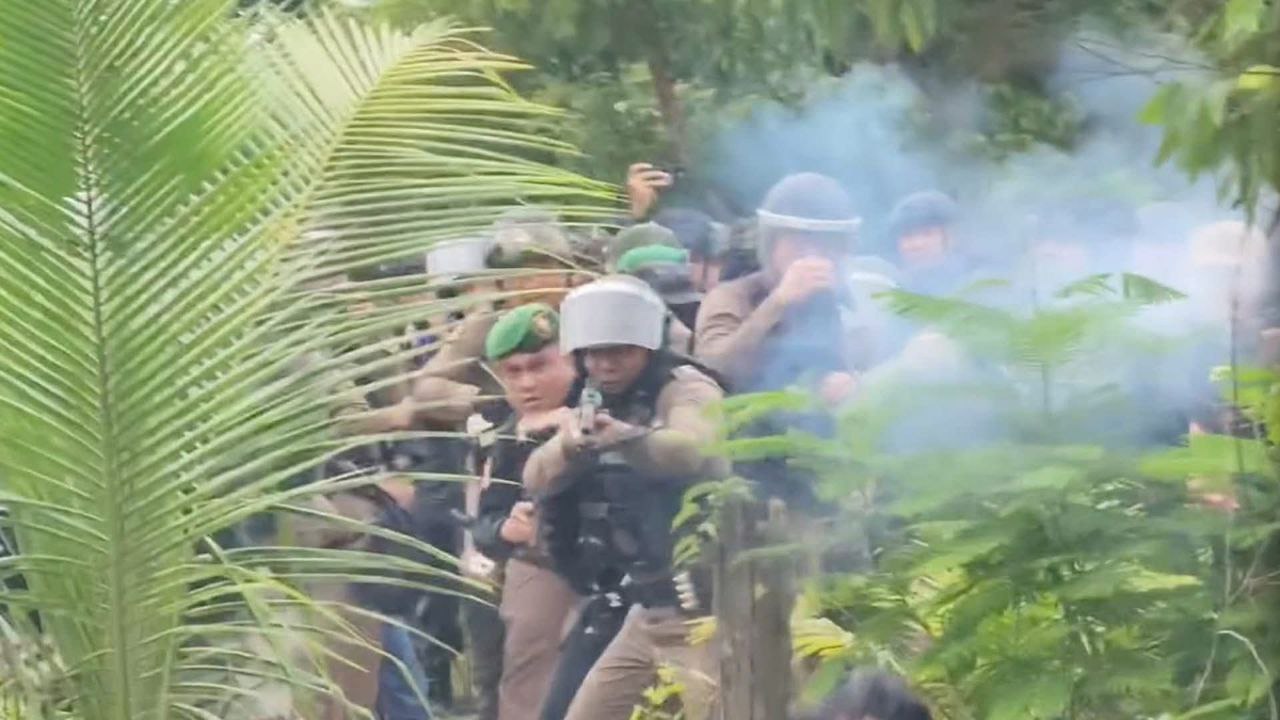
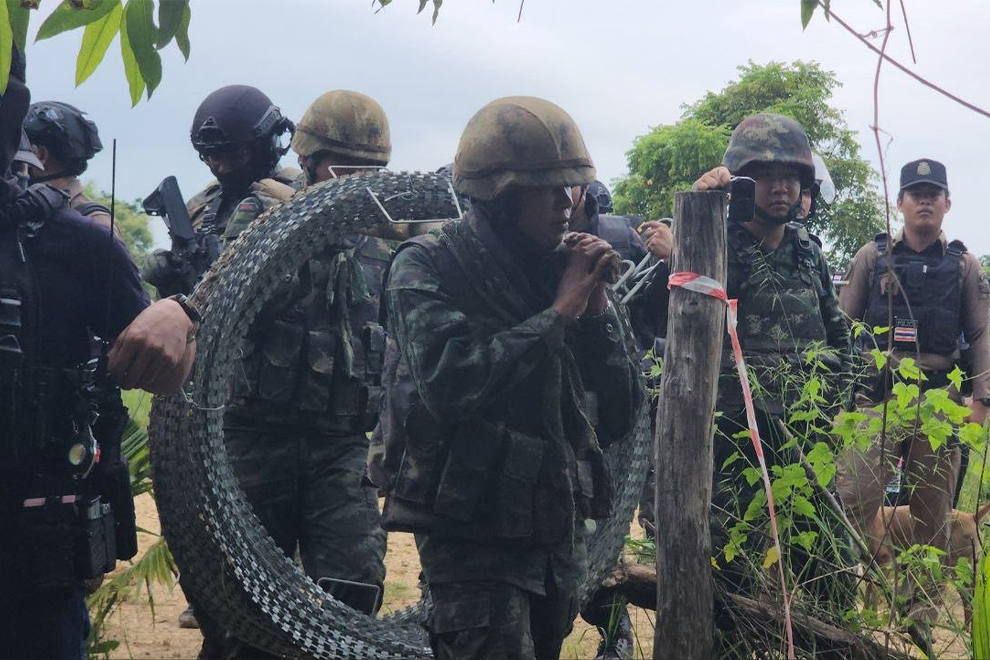
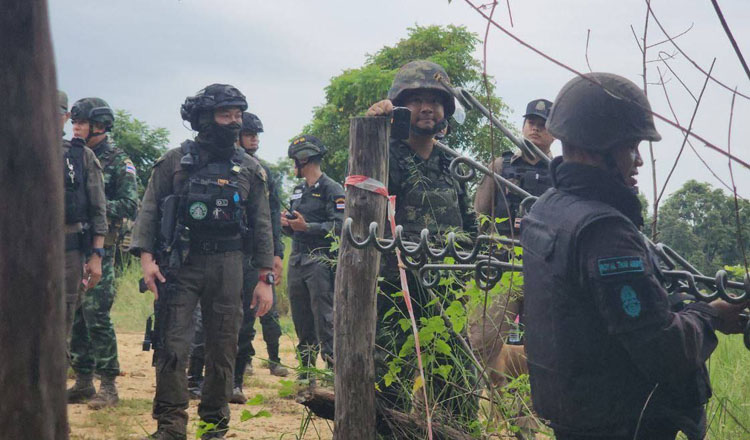
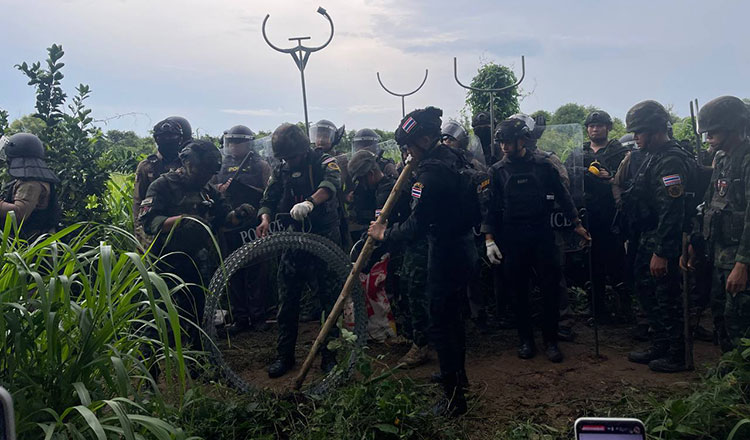
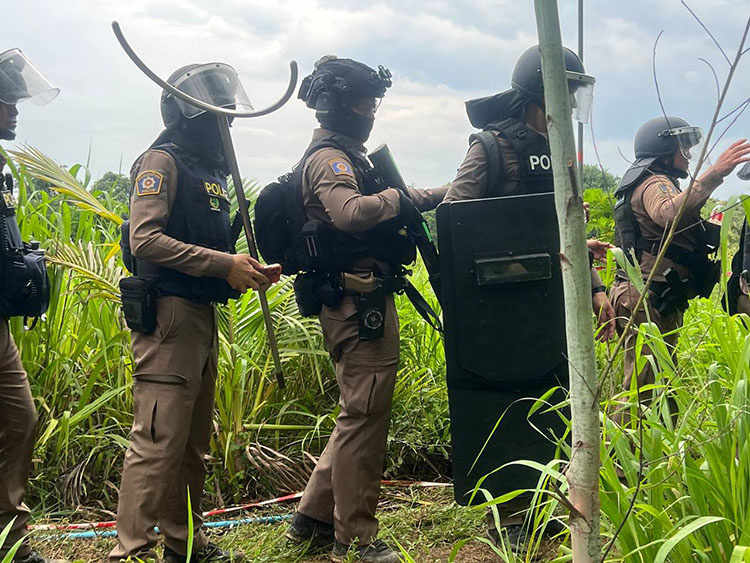
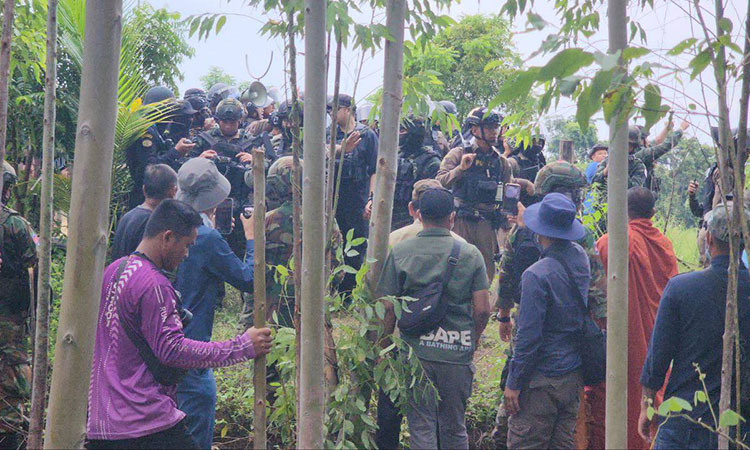
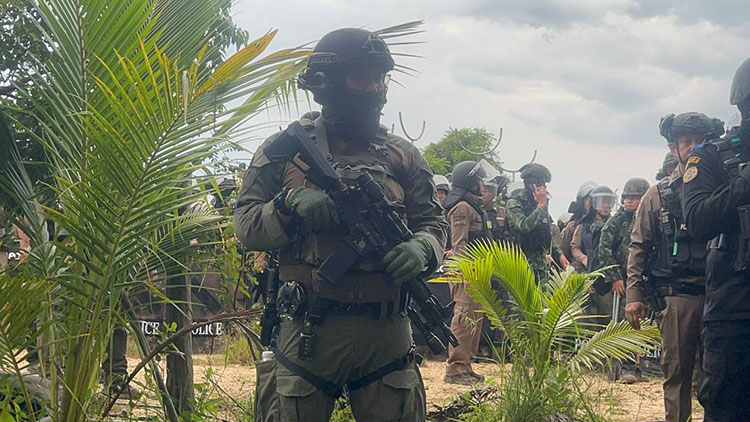
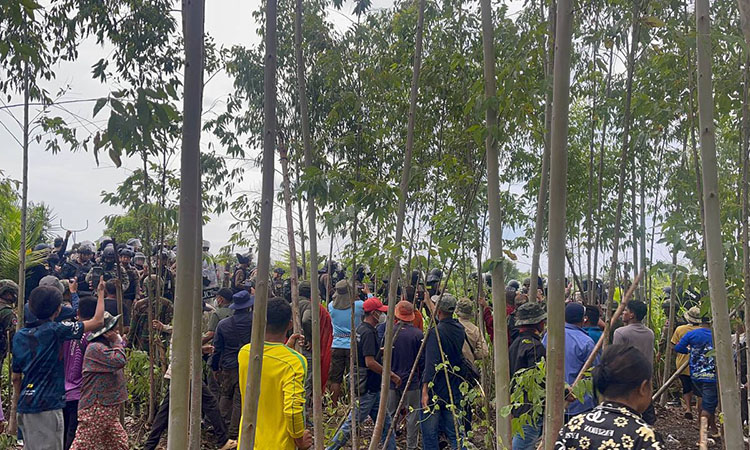
The damage to Thailand’s reputation is clear. In the 21st century, where states are expected to settle disputes through diplomacy and recognized legal frameworks, Thailand’s reliance on jungle law undermines its credibility. Each time it sends soldiers to intimidate Cambodian villagers, or builds barbed wire fences through communities like Prey Chan and Chork Chey, Thailand projects an image not of strength, but of disregard for human rights and sovereignty. Villagers are separated from their homes and farmland, children are traumatized by military presence, and families live in fear—all because Bangkok prioritizes extremist demands over peaceful solutions.
International law exists precisely to prevent such suffering. Treaties, joint boundary commissions, and ASEAN mechanisms offer peaceful avenues for dispute resolution. Yet Thailand continues to resist these tools, preferring to act unilaterally and justify aggression under the guise of “defending national claims.” But these so-called “claims” are not grounded in law—they are grounded in extremist ideology. And every time Thailand acts upon them, it undermines its own international credibility.
A government that claims to love peace cannot simultaneously provoke conflict. A state that wishes to be respected cannot continually ignore international law. The contradiction at the heart of Thailand’s foreign policy is plain: it speaks the language of peace abroad while fueling extremist-driven confrontation at home. The international community should not remain silent in the face of this double standard. If Thailand continues on this path, it risks being remembered not as a peaceful neighbor, but as a destabilizer in Southeast Asia.
The choice before Thailand is simple. It can continue down the path of appeasement, caving to extremist voices and allowing jungle law to dictate its policies. Or it can take the path of principle, respecting Cambodia’s sovereignty, honoring international treaties, and resolving disputes through legal mechanisms rather than force.
The world is watching. In an era that prizes law, peace, and human dignity, Thailand must decide whether to act as a modern state or remain hostage to the dangerous fantasies of its extremists. Jungle law belongs to the past. International law is the only future.
Roth Santepheap is a geopolitical analyst based in Phnom Penh. The views expressed are his own.
-Khmer Times-
Thai soldiers carry rolls of razor wire as they prepare to erect more barricades in Banteay Meanchey province’s Prey Chan village. Supplied
#CambodiaWantsPeace
#JusticeForCambodia
#Cambodianeedpeace
#TruthFromCambodia
#ThaiLawOnCambodianSovereignty
#ទាហានថៃបានអនុវត្តច្បាប់ថៃនៅលើទឹកដីខ្មែរ