Opinion: Angkor Is Not for Copying: Cambodia Defends Cultural Integrity Against Thailand’s Misleading Claims
 Opinion: Angkor Is Not for Copying: Cambodia Defends Cultural Integrity Against Thailand’s Misleading Claims
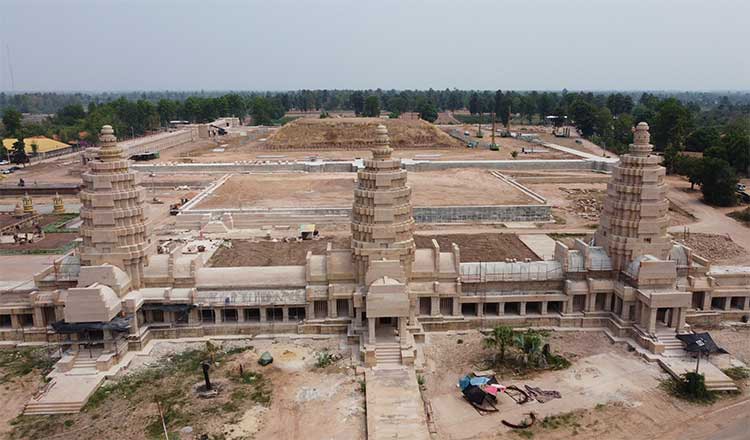
At the 46th session of the UNESCO World Heritage Committee in France on July 10, 2025, the Thai delegation delivered a statement denying Cambodia’s concerns about the replica of Angkor Wat being constructed in Thailand.
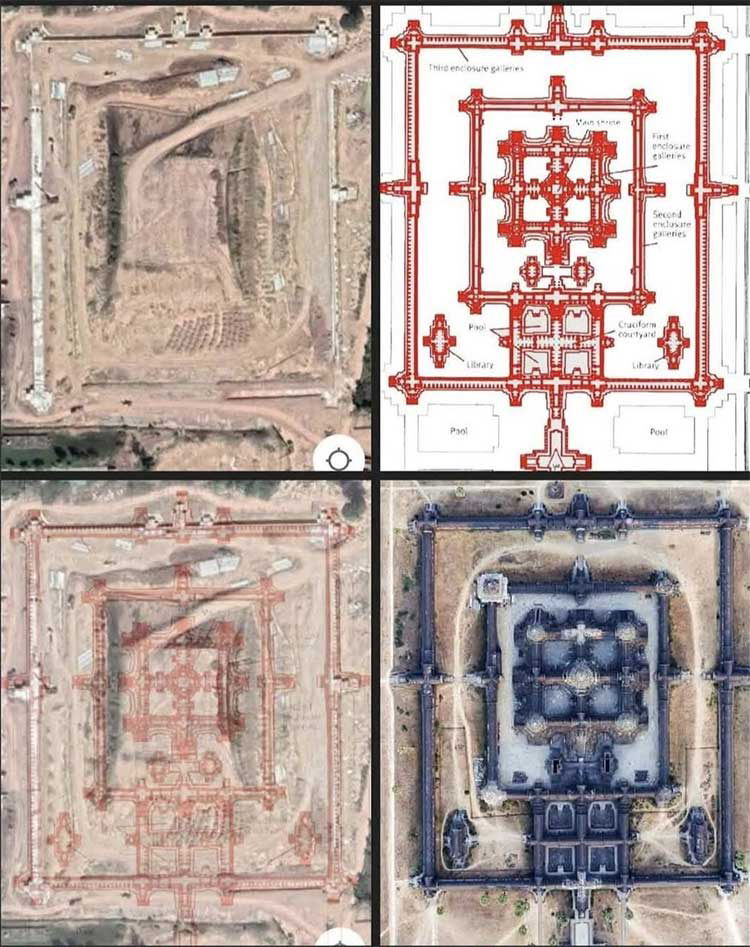
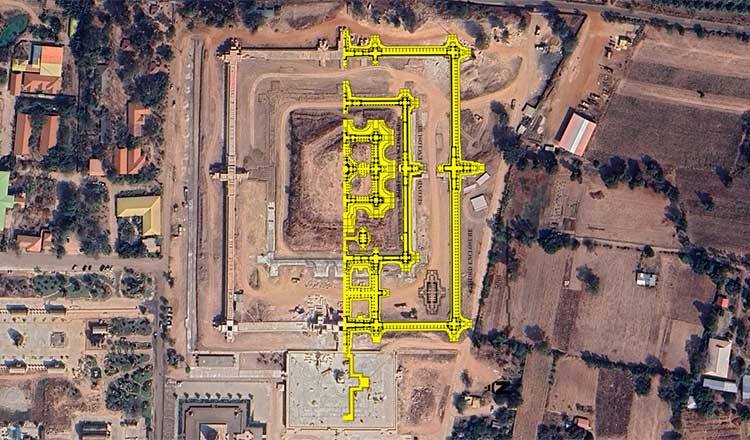
The Thai spokesperson insisted that “no copying has occurred” and claimed the structure was merely “inspired” by classical Southeast Asian architecture. But Cambodia—and the world—knows better. This is not inspiration. It is copying, and it is deeply disrespectful.
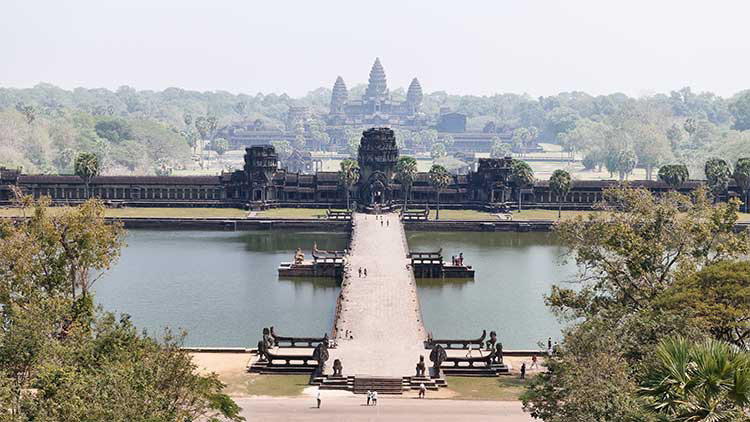
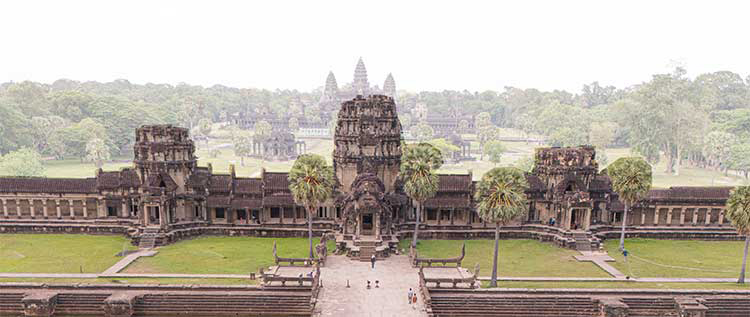
The Cambodian Minister of Culture and Fine Arts, H.E. Phoeurng Sackona, stated firmly at the same UNESCO forum, underlining Cambodia’s deep concern over the project in Buriram province. The Thai copy of Angkor Wat is not a subtle tribute or homage. It is a large-scale replica that mimics Cambodia’s most sacred architectural, historical, and spiritual symbol—a global icon of Khmer civilization and identity, inscribed as a UNESCO World Heritage Site since 1992.
H.E. Phoeurng Sackona said that we wish to express our deep concern regarding the construction of a large-scale replica of the Angkor Wat tepmple in Buriram province, Thailand. This project has been undertaken without any prior consultation or regard for the ethnical principles related to our culture. It seriously undermines the integrity, authenticity, and Outstanding Universal Value of this iconic site. Despite Cambodia’s efforts, construction continues. Such a situation risks setting a deeply troubling precedent for all World Heritage sites.
Let us be clear: Angkor Wat is not just a monument. It is the soul of the Cambodian people. It appears on our flag, our currency, and in our collective memory. For Thailand to construct a near-identical version—without prior consultation, cultural respect, or international transparency—is not only insensitive but violates the spirit of the 1972 World Heritage Convention, particularly regarding the protection of cultural heritage from distortion or misappropriation.
A Pattern of Provocation
Thailand’s denial at UNESCO follows a familiar pattern. Rather than engage in sincere dialogue with Cambodia, Thai authorities continue to act unilaterally—whether it’s border encroachments, cultural appropriation, or the use of Khmer traditions and symbols for economic and political gain. The Angkor replica is not the first incident, but it may be the boldest.
The Thai argument that the structure merely “draws inspiration” from shared regional styles is misleading. Angkor Wat is unique. It is not “shared Southeast Asian heritage.” It is Khmer heritage, born from a distinct historical, religious, and artistic context rooted in the Angkorian Empire, not in the Ayutthaya or Sukhothai traditions. To equate the two is historically false and diplomatically dishonest.
Why It Matters Globally
Cambodia is not asking Thailand to halt religious expression or architectural creativity. What Cambodia demands is respect for cultural sovereignty and international norms. In a world where cultural heritage is increasingly threatened by war, looting, and commercialization, UNESCO and its members must not turn a blind eye to state-sponsored replication of sacred sites for tourism or prestige.
The Cambodian government’s intervention at UNESCO is not about nationalism—it is about principled protection of heritage. Cambodia has always cooperated with UNESCO, with international partners, and even with Thailand when respect and dialogue are mutual. But we cannot remain silent when one of the most important symbols of our nation is being reduced to a tourist attraction in a neighboring country without consent.
A Call for UNESCO Action
Cambodia urges UNESCO to send an independent fact-finding mission to assess the replica site in Thailand. This is necessary to determine whether the construction violates international obligations and to protect the integrity of existing World Heritage inscriptions.
Cultural heritage should build bridges, not be used as tools of soft power or imitation. Cambodia stands for authenticity, respect, and international cooperation. We call on Thailand to do the same—and to stop hiding behind vague language and false equivalencies.
Angkor Wat is not a blueprint. It is a legacy. Cambodia is not overreacting—it is defending what is rightfully ours. As the world watches, let us remember: copying without permission is not flattery; it is theft. And when that theft involves a nation’s soul, silence is not an option.
Roth Santepheap is a geopolitical analyst based in Phnom Penh. The views expressed are his own.