Cambodia demands removal of ‘Scambodia’ label as WSJ publishes minister’s rebuttal
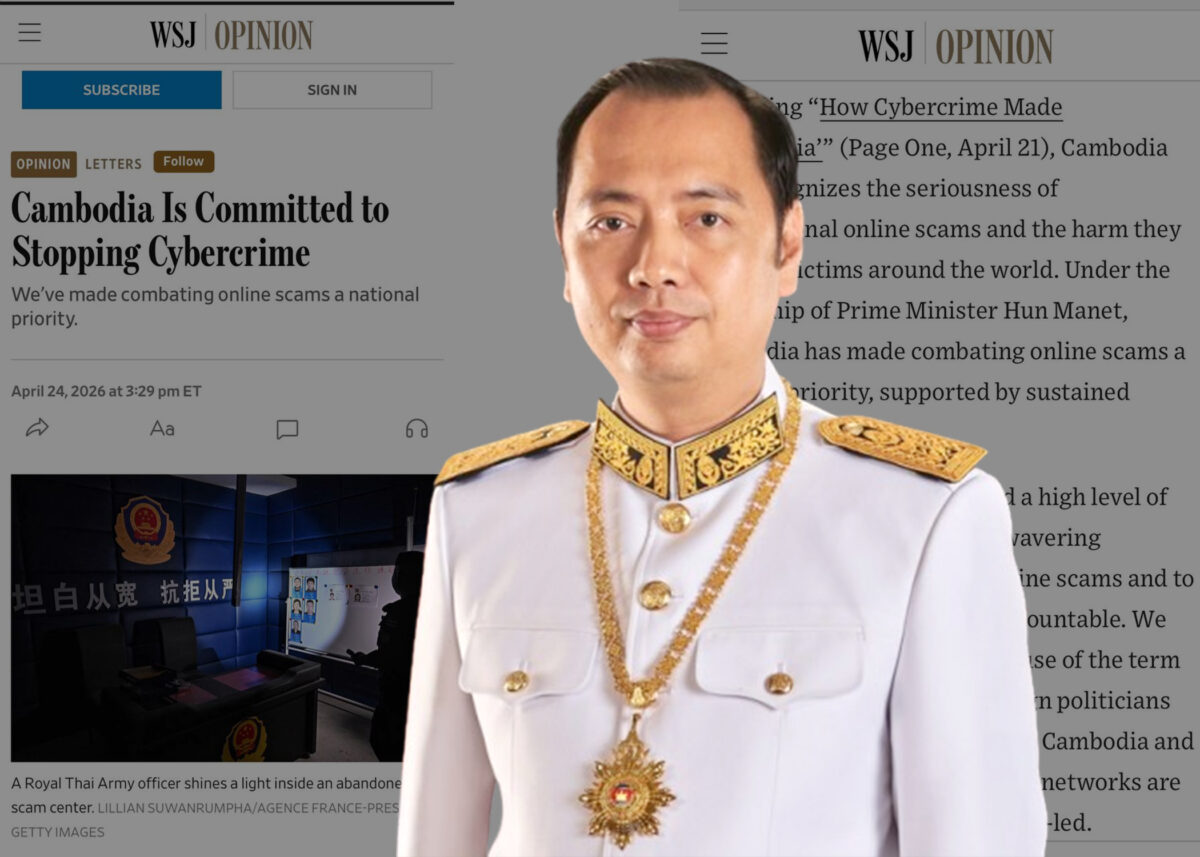 Information minister Neth Pheaktra has condemned the use of the label “Scambodia”, calling it stigmatising and misleading. Supplied
#National
Cambodia has renewed its demand for The Wall Street Journal to remove the term “Scambodia” from its coverage, even after the international newspaper published an opinion piece by Minister of Information Neth Pheaktra, defending the country’s record on combating cybercrime.
The rebuttal, published after the original article appeared on April 21, marks a rare direct intervention by the Cambodian government in response to what it describes as “unprofessional” and damaging language used by a major global media outlet.
“Cambodia fully recognises the seriousness of transnational online scams and the harm they cause to victims around the world,” Pheaktra wrote.
He stressed that the government has elevated the fight against cybercrime to a national priority under Prime Minister Hun Manet.
However, the minister strongly condemned the use of the label “Scambodia,” calling it stigmatising and misleading.
“The label stigmatises Cambodia and its citizens, while these criminal networks are transnational and largely foreign led,” he stated.
Despite welcoming the opportunity to present its position through the opinion piece, a statement from the information ministry said it maintains a firm stance that the term must be formally withdrawn.
It argued that its use — even in quotation marks — risks distorting international perceptions of the country and undermining its reputation.
The dispute stems from a Wall Street Journal article titled “How Cybercrime Became a Leading Industry in ‘Scambodia’”, which prompted an immediate formal protest from Phnom Penh.
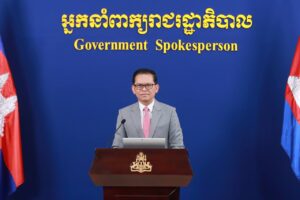
A statement from Information ministry spokesperson Tep Asnarith described the wording as a serious breach of journalistic ethics and an affront to national dignity.
“The ministry will continue to monitor this case with the utmost care to protect the honour, dignity, and sovereignty of the Kingdom of Cambodia as an equal member of the international community and as a leading country in the region that has continued its efforts to eradicate this transnational crime from Cambodian territory,” it said.
In his response, Pheaktra outlined a series of government measures aimed at tackling online fraud, pointing to what he described as “high-level political commitment and unwavering determination” to dismantle criminal networks.
He highlighted the introduction of a new law on combating online scams, which strengthens the legal framework for investigations and prosecutions.
Law enforcement agencies have also intensified nationwide operations, leading to the closure of illegal compounds and the rescue of trafficking victims, he noted.
According to figures cited in the article, Cambodian authorities acted against more than 250 online scam cases between July 2025 and mid-April 2026, including the shuttering of 91 casinos.
A total of 112 cases have been brought before the courts, involving around 1,089 suspects of multiple nationalities.
“Cambodia is actively addressing online scams through strengthened enforcement, legislative action and expanded international cooperation,” Pheaktra wrote, adding that the country has also engaged with international partners, including the Federal Bureau of Investigation.
The government has also carried out large-scale deportations as part of a nationwide crackdown, targeting foreign nationals linked to scam operations.
While acknowledging the global nature of cybercrime, Cambodian officials argue that the narrative presented in the original article unfairly singles out the country.
The information ministry has suggested that associating Cambodia’s name with criminal activity constitutes discrimination and violates fundamental principles of responsible journalism.
Officials say they will continue to closely monitor the case and pursue corrective action, underscoring Cambodia’s position as “an equal member of the international community” committed to eliminating transnational crime from its territory.
An earlier ministry statement strongly condemned the use of Cambodia’s name to make fun of the global crime problem, calling it “a serious insult to the identity and dignity of the entire Cambodian nation on the international stage”.
-Phnom Penh Post-
———————