Global Warming and Its Impact on Farmers
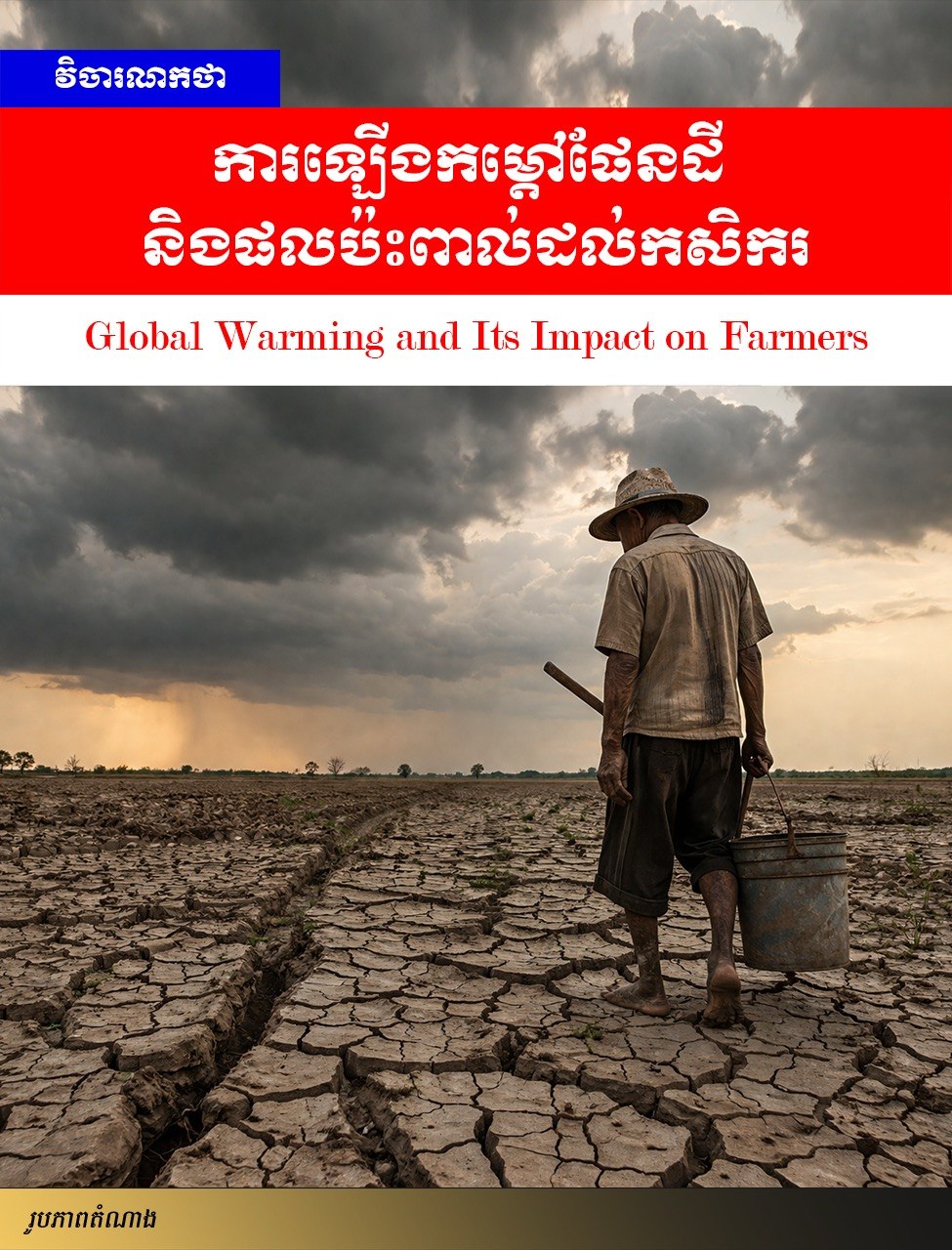 Global Warming and Its Impact on Farmers
#National
Global warming is one of the most serious challenges facing the world today, and its effects are especially severe for farmers. Agriculture depends heavily on stable weather conditions, predictable rainfall, and healthy soil. However, rising global temperatures are disrupting these natural systems, making farming more difficult and uncertain.
One of the most direct impacts of global warming on farmers is changing weather patterns. Rainfall has become less predictable, with some regions experiencing prolonged droughts while others face heavy flooding. Drought reduces water availability for crops, leading to lower yields or even total crop failure. On the other hand, excessive rainfall can damage crops, wash away soil nutrients, and delay planting or harvesting seasons.
Rising temperatures also affect crop growth. Many crops have specific temperature ranges in which they grow best. When temperatures become too high, crops may grow more slowly, produce fewer grains, or fail completely. Heat stress can also reduce the quality of crops, making them less valuable in the market. For farmers who depend on consistent production for income, this can lead to serious financial difficulties.
Another major concern is the increase in pests and plant diseases. Warmer temperatures create favorable conditions for insects, weeds, and harmful microorganisms to thrive. As a result, farmers may face more frequent and severe infestations, which can destroy crops and increase the need for pesticides. This not only raises production costs but can also harm the environment and human health.
Water scarcity is becoming a growing problem in many agricultural areas. Global warming affects rivers, lakes, and groundwater supplies, reducing the availability of water for irrigation. Farmers who rely on these sources may struggle to maintain their crops, especially during dry seasons. In some cases, competition for water between agriculture, industry, and households adds further pressure.
Livestock farming is also affected. High temperatures can stress animals, reduce their productivity, and increase the risk of disease. For example, dairy cows may produce less milk, and poultry may have higher mortality rates during heatwaves. This directly impacts farmers’ livelihoods and food supply.
Soil quality is another area of concern. Extreme weather events such as heavy rains and strong winds can lead to soil erosion, removing the fertile top layer needed for crops. Over time, this reduces land productivity and makes farming more challenging.
Despite these challenges, farmers are adapting in various ways. Some are shifting to drought-resistant crops, improving irrigation techniques, or adjusting planting schedules. Governments and organizations are also providing support through training, technology, and climate-resilient farming practices.
In conclusion, global warming has a profound impact on farmers by disrupting weather patterns, reducing crop yields, increasing pests, and creating water shortages. These challenges threaten not only farmers’ livelihoods but also global food security. Addressing global warming and supporting farmers in adapting to these changes are essential steps toward ensuring a stable and sustainable future for agriculture.