Ceasefire brings hope for return; military attachés call for lasting peace
 On a humid morning earlier this week, Nhay Suy sat at the Wat Phnom Thma Kambor sanctuary centre in Po Chas village, watching tuk-tuks and tractors with trailers
On a humid morning earlier this week, Nhay Suy sat at the Wat Phnom Thma Kambor sanctuary centre in Po Chas village, watching tuk-tuks and tractors with trailers slowly roll away. One by one, families who had fled the Thai-Cambodian border clashes in late July were returning home.
She smiled for those leaving, but her own journey home will have to wait.
“Because my house is in a heavily contested area, shells landed only about 100 metres away. The current situation does not allow me and thousands of other families to return today,” Suy said.
Suy, who fled with more than 10 family members in a tuk-tuk on July 24, has little beyond her modest home and some pigs, chickens and ducks in Ampil village, near the Chub Korki border gate. What troubles her most is the safety of her son, a soldier stationed in the Mom Bei area.
“When I hear the sound of shells, I can’t eat. I worry about my children on the battlefield. Since the ceasefire on July 28, I have been trying to call my son, but I couldn’t get through,” she said.
“After four or five days, he contacted me. I was happy, but he told me he had been exposed to toxic fumes and was given serum on the mountain before recovering,” she added.
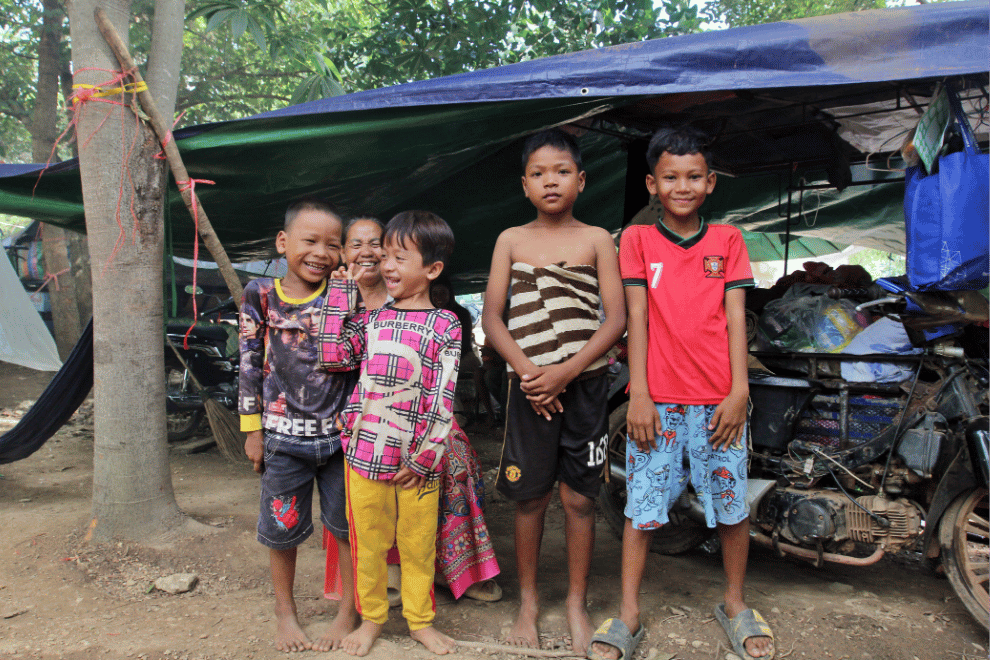
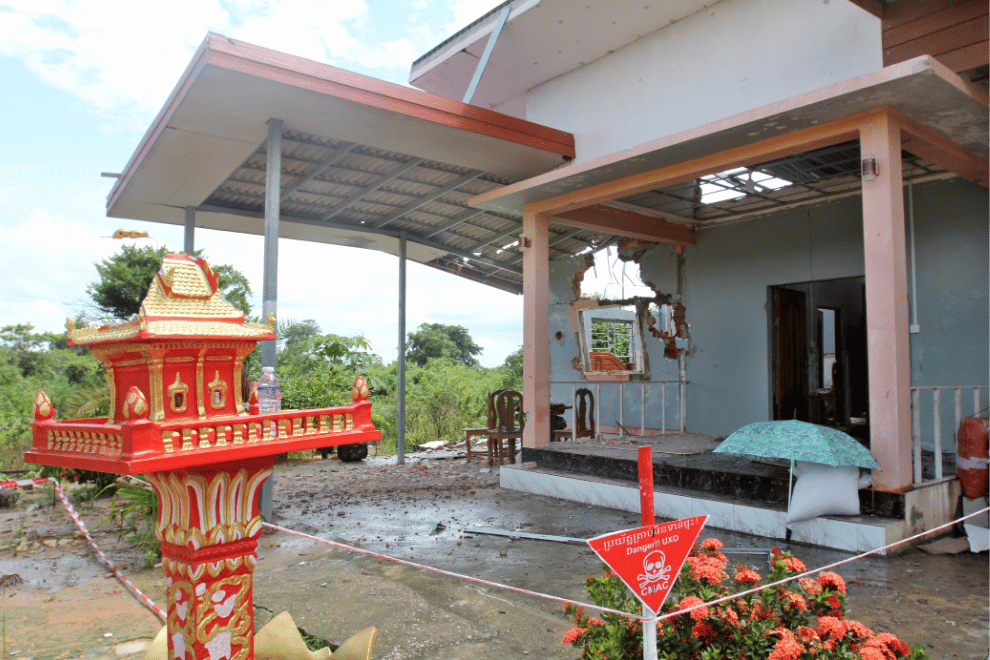
Authorities have told Suy her family may be able to return by August 13, but warned of possible unexploded ordinance and toxic contamination around her home.
Ceasefire brings hope, but risks remain
The clashes, which Cambodian officials say were triggered by a Thai troop incursion from July 24 to 28, forced tens of thousands of people from their homes at the height of the fighting.
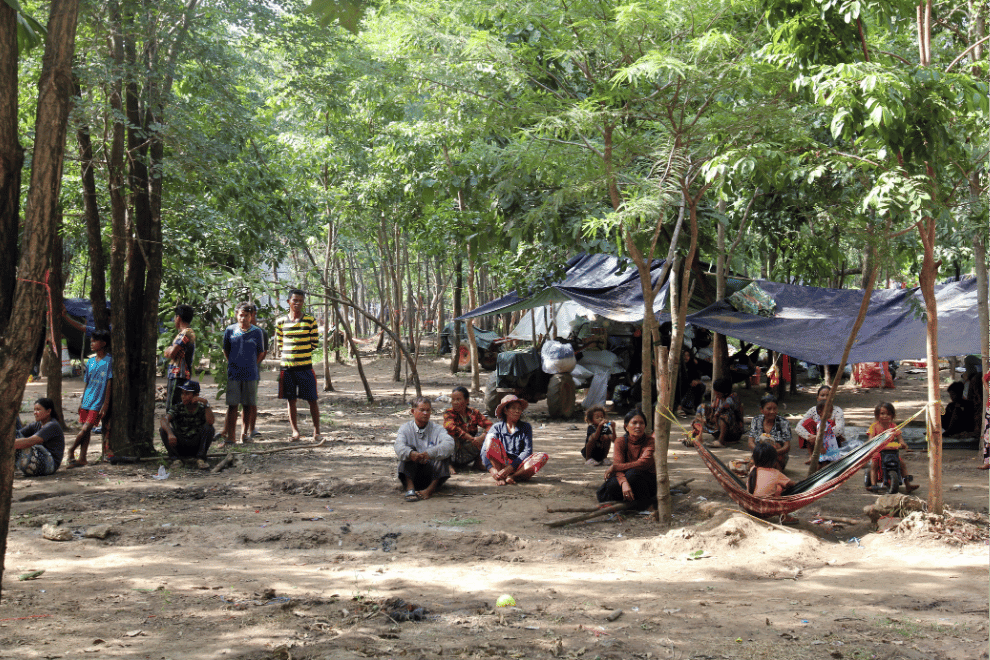
According to Oddar Meanchey provincial governor Mean Chanyada, the number of displaced families at the Wat Phnom Thma Kambor centre has since dropped from nearly 4,000 to about 2,000, with many families already returning home.
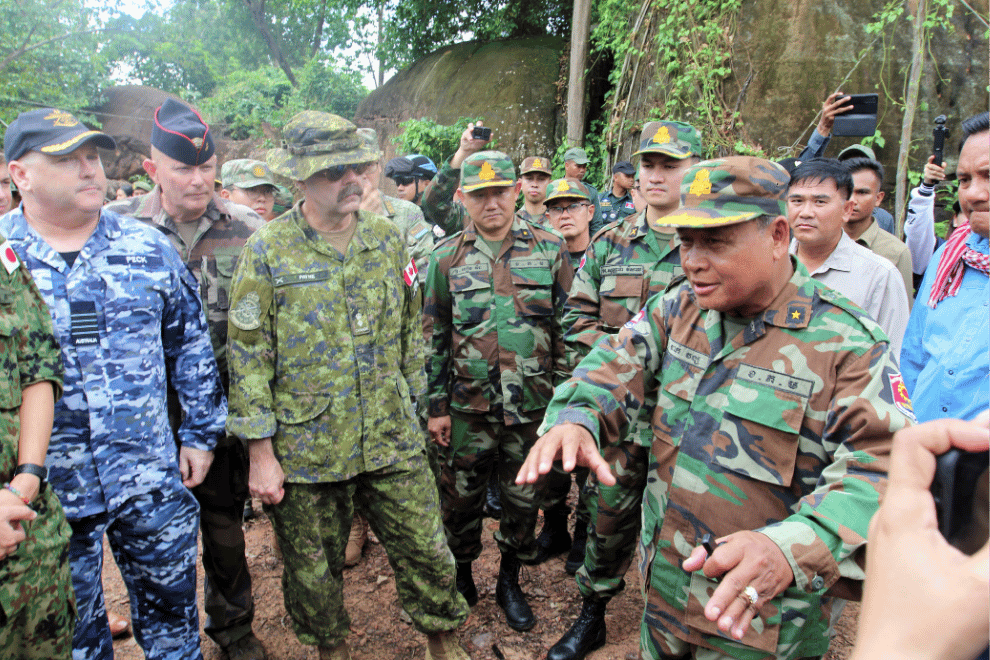
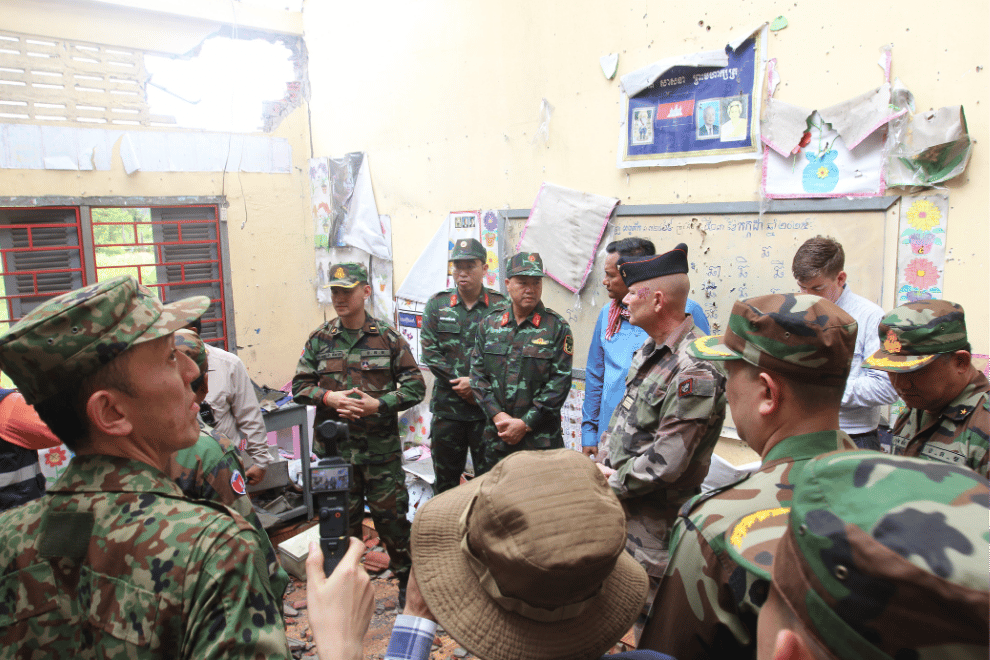
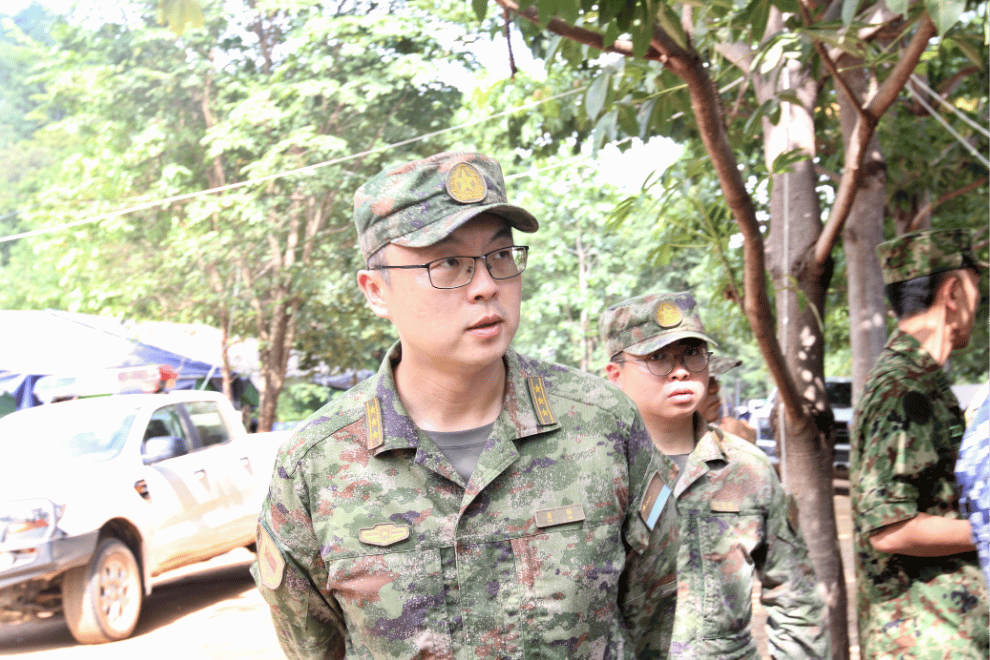
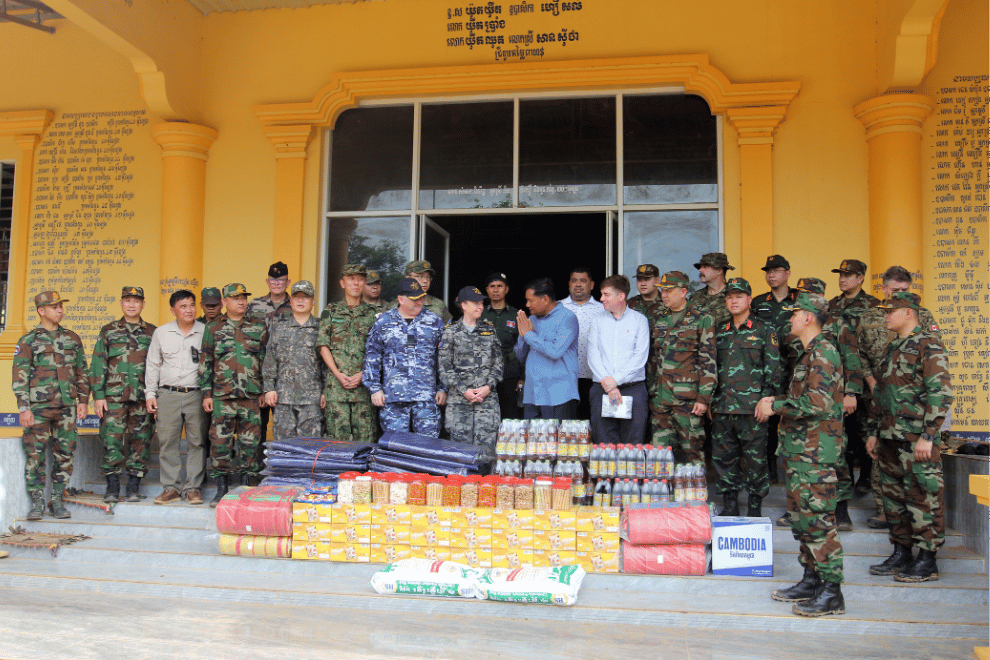
“This is a tragedy that has arisen from the Thai invasion for six days and five nights,” governor Mean told military attachés from nine countries who visited the camp.
“In the long term, we are still suffering from cluster bombs, unexploded ordnance and other problems that continue to affect the daily lives of the people,” he added.
He stressed that Oddar Meanchey is among the poorest provinces in Cambodia, with an annual income per person of about $1,055.
“This is the rainy season, the rice season, which is very important for their livelihoods and incomes. If the ceasefire does not hold, their lives and livelihoods will be severely affected,” he said.
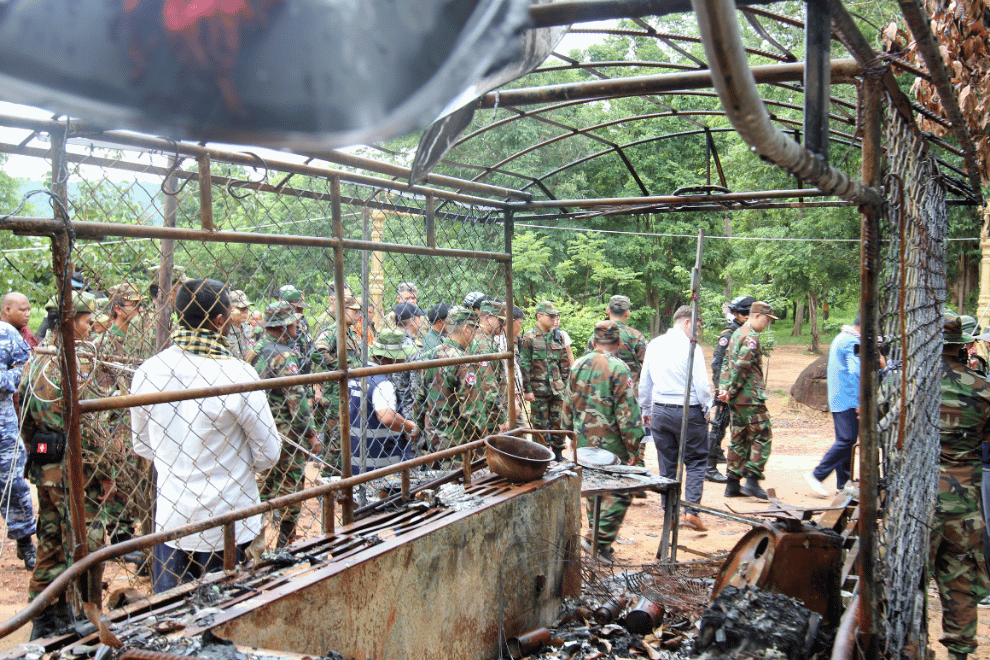
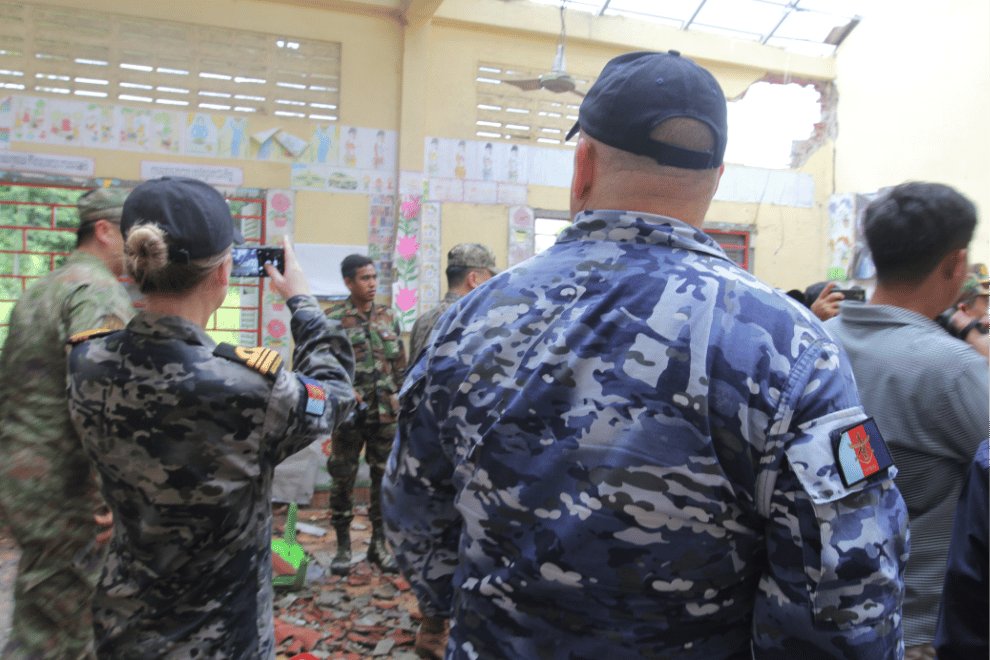
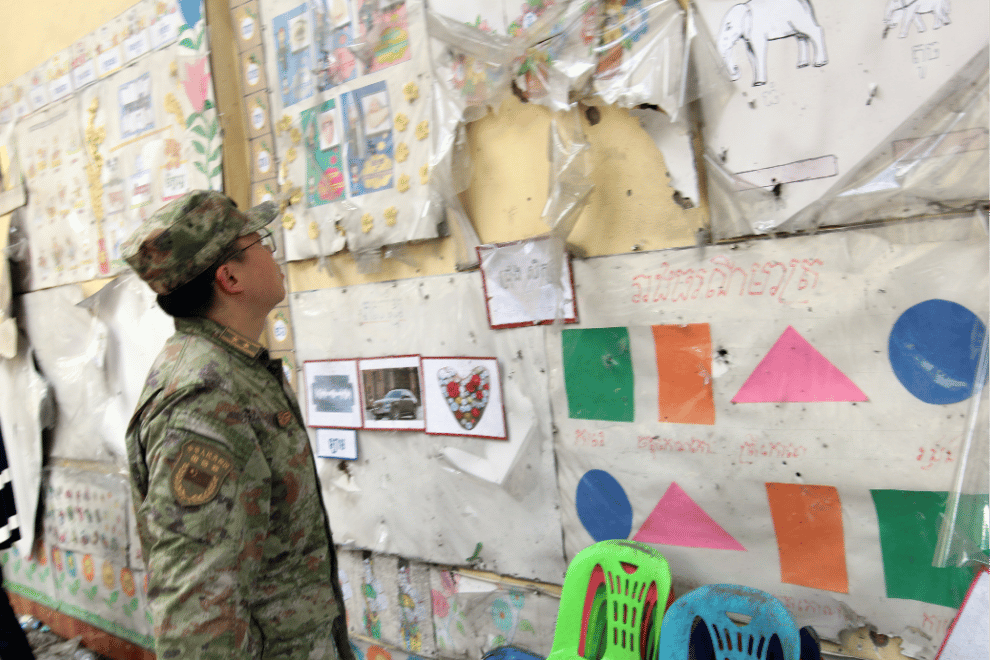
During the clashes, five civilians were killed and eight injured. Seventy-five military family homes, 150 civilian houses and several public buildings were damaged, while 260 schools across the province were closed.
International eyes on peace
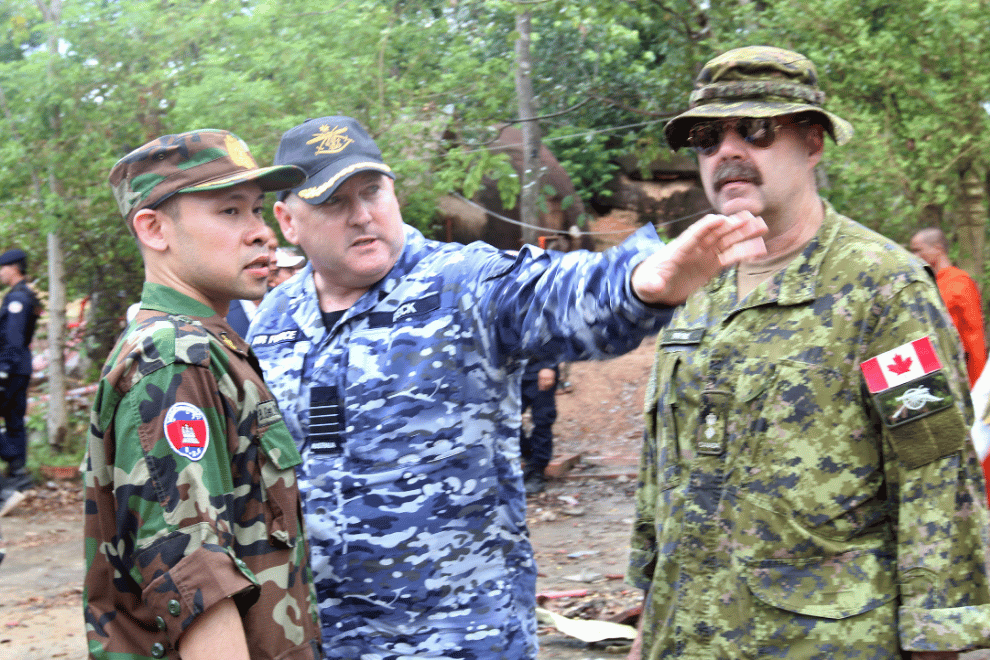
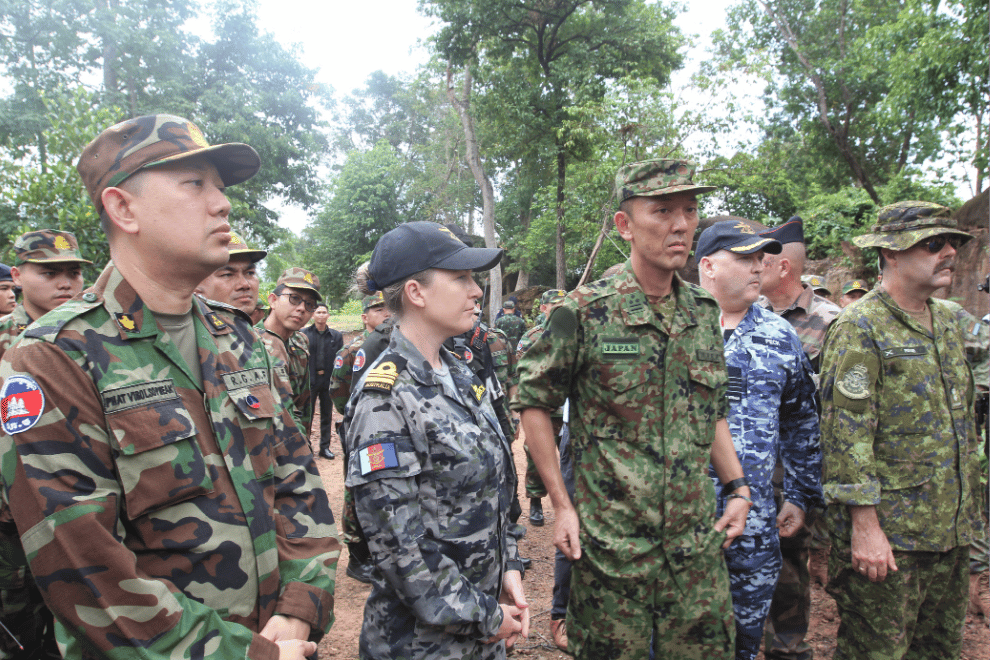
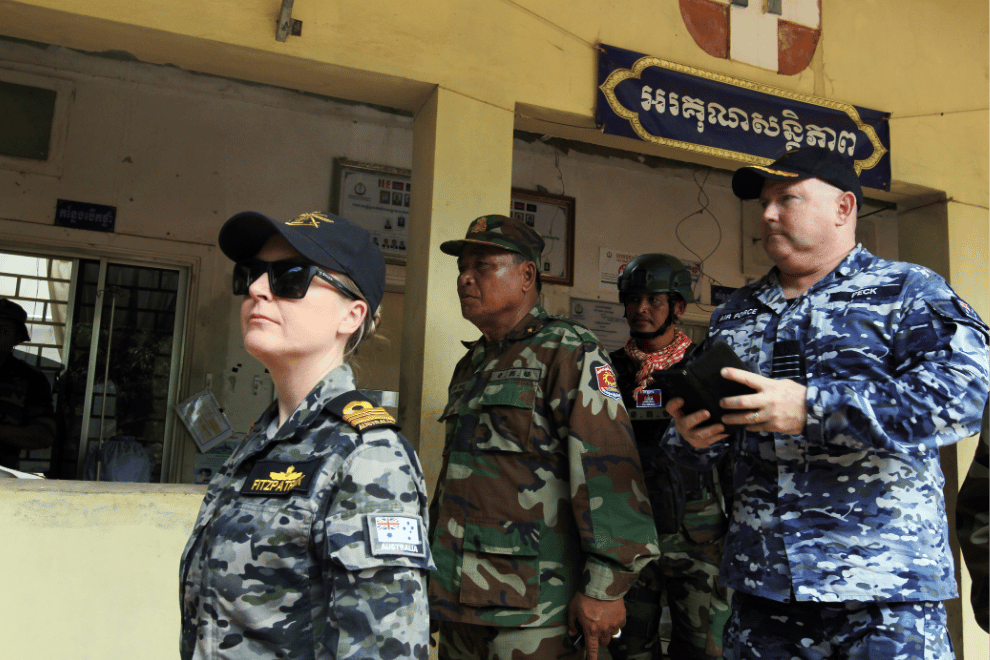
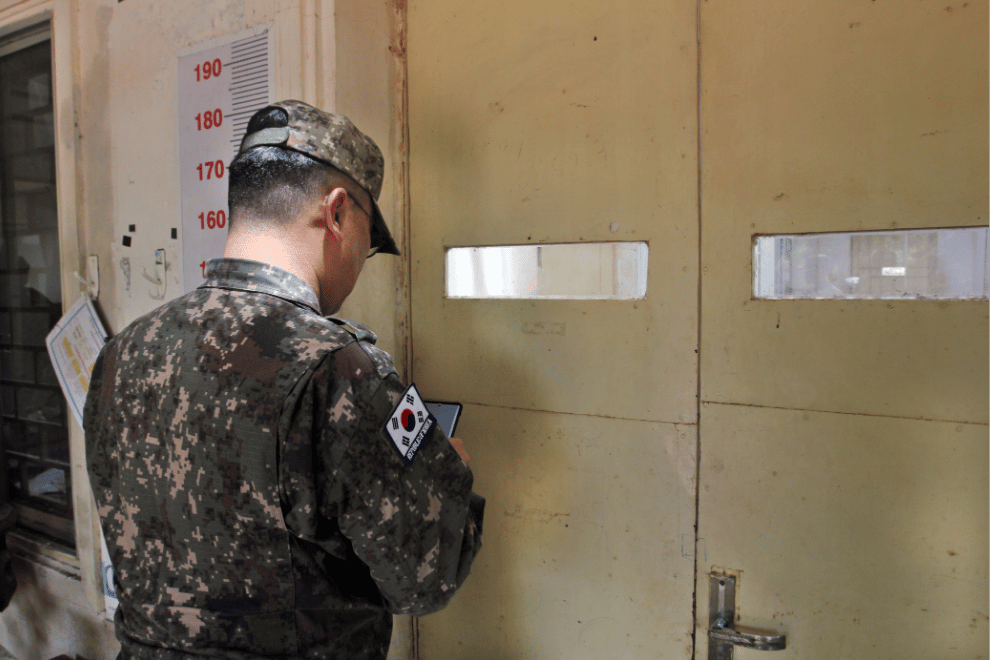
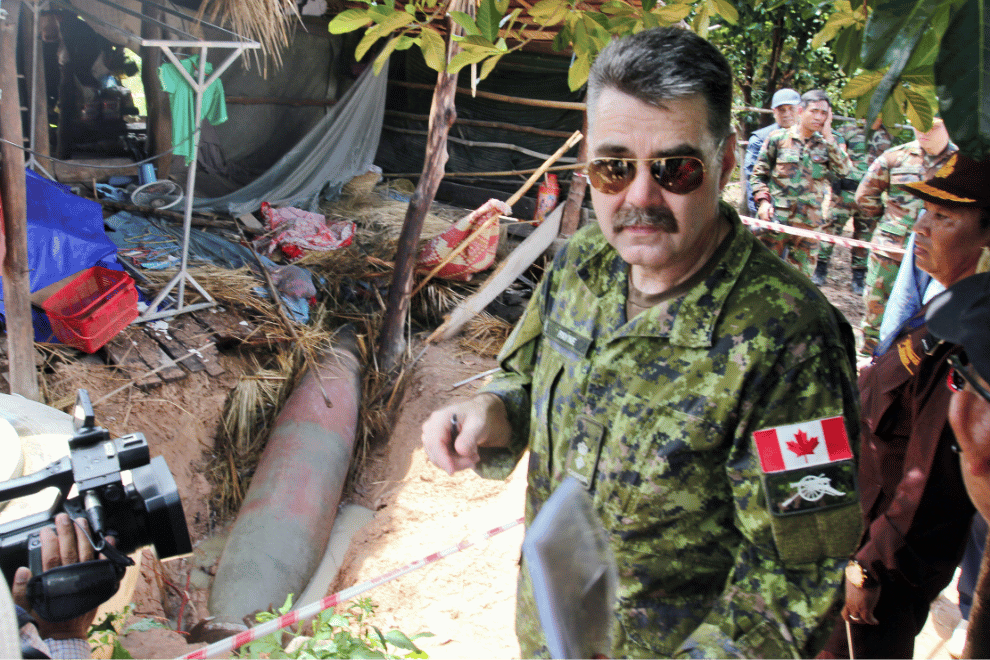
On Sunday, Lieutenant-Colonel Paul Payne, Canadian defence attaché to Cambodia, joined the Military Attaché Corps Phnom Penh (MACPP) delegation to assess the situation at the refugee center.
Payne said he observed that the camp housed many families that were displaced due to the conflict.
He added that the numbers at the camp were starting to decline, He considered this a good sign, as it indicated the population was becoming comfortable with the ceasefire arrangements and returning to their homes.
He also joined the chorus of voices calling for lasting peace.
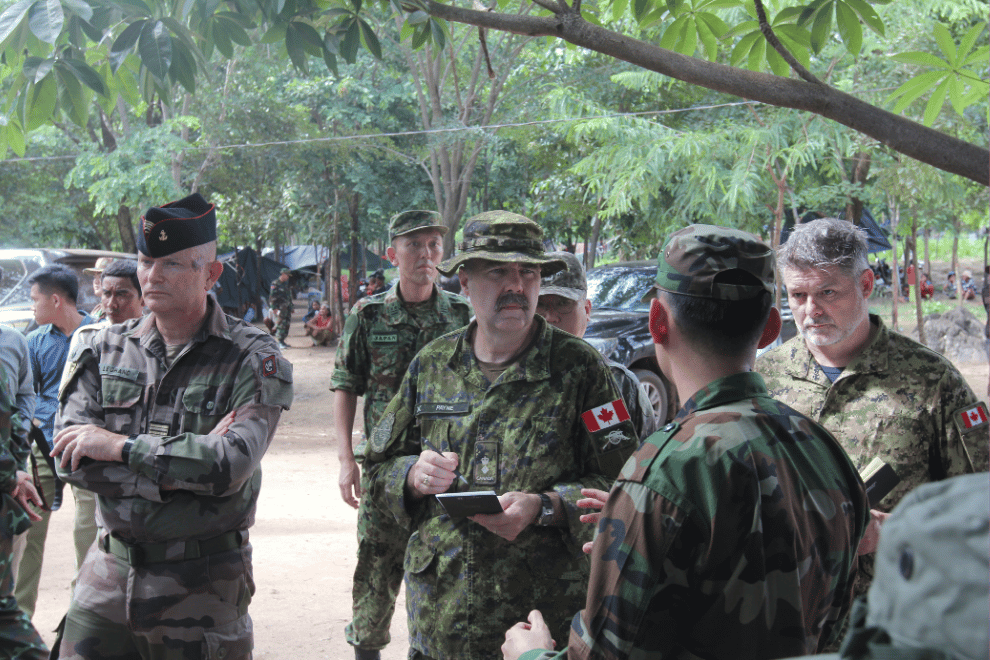
“The long-term solution would be for both sides to cease all hostilities, move their forces back to their original positions, and allow people on both sides of the border to resume their normal daily lives,” he said.
Payne noted that diplomatic talks on August 7 had already set out agreements that both sides should now uphold.
Chinese ambassador to Cambodia Wang Wenbin reaffirmed China’s support for the effective implementation of the ceasefire.
He said in a social media post that the Chinese embassy had two attachés which had joined their counterparts to visit the affected areas.
“We support the effective implementation of the ceasefire by Cambodia and Thailand, and support Malaysia and other ASEAN countries in playing a leading role in this regard,” said Wenbin.
For Suy and thousands like her, that would mean more than just a return home — it would be the restoration of a life interrupted by war.