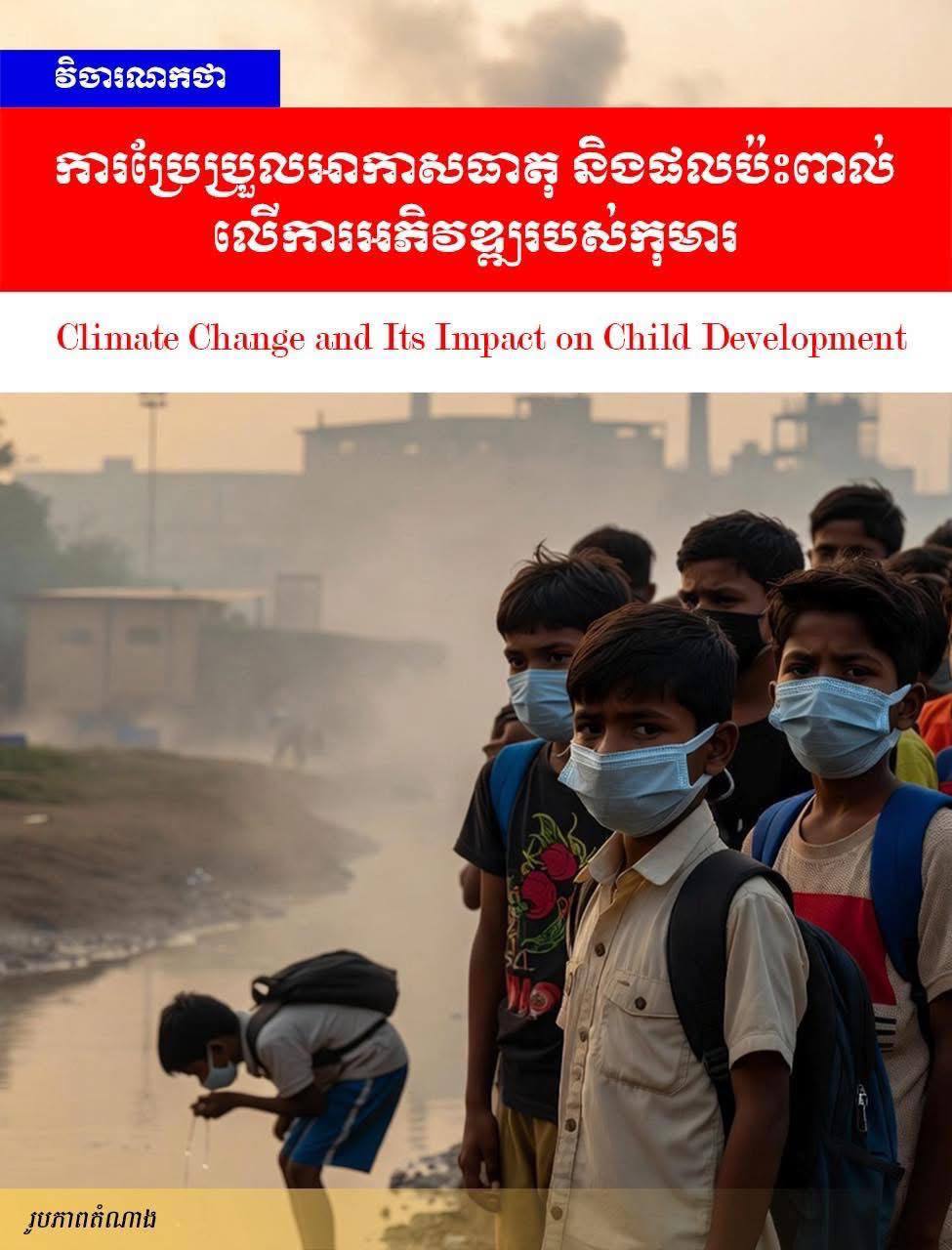
Climate Change and Its Impact on Child Development
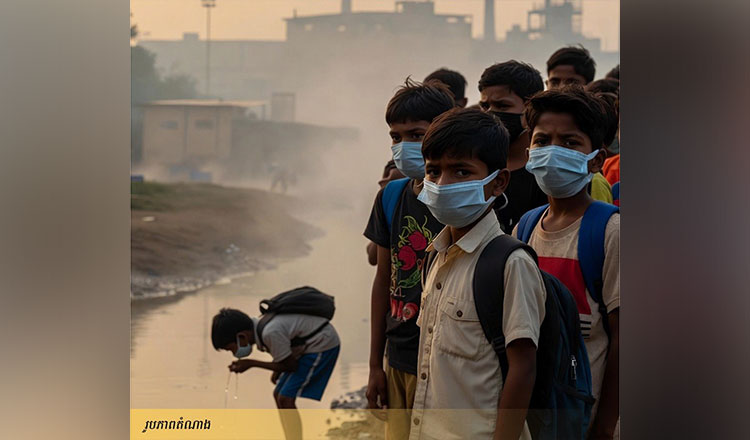 Climate Change and Its Impact on Child Development
#opinion
Climate change is increasingly recognized as one of the greatest threats to humanity, but among those most vulnerable to its impacts are children. Across the globe, rising temperatures, floods, droughts, storms, pollution, food insecurity, and environmental degradation are affecting not only the physical environment, but also the growth, health, education, and future development of millions of children.
Children are particularly vulnerable because their bodies and minds are still developing. Environmental disruptions that adults may endure can have far more serious and long-lasting consequences for children. Climate change therefore represents not only an environmental crisis, but also a growing challenge to global child development and human well-being.
One of the most immediate impacts is on health. Extreme heat, polluted air, contaminated water, and climate-related diseases increasingly threaten children worldwide. Heat waves can cause dehydration and respiratory stress, while poor air quality from wildfires, industrial pollution, and open burning increases the risk of asthma and other respiratory illnesses. Floods and droughts can also lead to outbreaks of waterborne and infectious diseases that disproportionately affect young children.
Food insecurity caused by climate change is another major concern. Droughts, floods, and changing weather patterns reduce agricultural productivity and weaken food systems. Malnutrition during early childhood can severely affect physical growth, brain development, learning ability, and long-term health. In vulnerable regions, climate-related hunger threatens the healthy development of entire generations.
Climate change also affects children’s education and emotional well-being. Natural disasters damage schools and interrupt learning, while displacement caused by floods, storms, or droughts forces many children to leave their homes and communities. Repeated exposure to disasters, instability, and environmental stress can create fear, anxiety, and psychological trauma that affect emotional and social development.
Children living in poverty are often the most affected. Many low-income communities lack access to healthcare, clean water, safe housing, and resilient infrastructure, making children more exposed to climate-related risks. Ironically, many of these vulnerable populations contribute the least to global greenhouse gas emissions.
Climate change is also shaping the future opportunities available to children. Environmental degradation, water scarcity, declining food security, and economic instability can limit access to education, healthcare, and stable livelihoods, affecting long-term human development and social progress.
At the same time, climate change highlights the responsibility of current generations toward future generations. The environmental decisions made today will determine the quality of life children inherit tomorrow. Protecting children therefore requires protecting the natural systems that support human survival.
Addressing these challenges requires urgent global action. Reducing greenhouse gas emissions through renewable energy, sustainable agriculture, forest protection, cleaner industries, and responsible waste management remains essential to slowing climate change. Governments must also strengthen healthcare systems, improve nutrition programs, protect schools, and invest in climate-resilient infrastructure and disaster preparedness.
Education and environmental awareness are equally important. Teaching children about sustainability, environmental responsibility, and climate resilience can help build a future generation better prepared to protect the planet.
International cooperation is critical because climate change is a global issue that transcends borders. Wealthier nations and international institutions have an important responsibility to support vulnerable countries and communities where children face the greatest risks.
Ultimately, climate change is not only about rising temperatures or environmental damage. It is about the future of humanity itself. Children represent hope, progress, and the continuation of human civilization. When climate change threatens child development, it threatens the long-term stability, prosperity, and well-being of the entire world.
In the end, protecting children from climate change is more than an environmental obligation. It is a moral responsibility to ensure that future generations inherit a world that is safe, healthy, stable, and capable of sustaining human dignity and opportunity.
-Khmer Times-