Quiet, But Not Silent: A Measured Approach to Diplomacy and Public Confidence
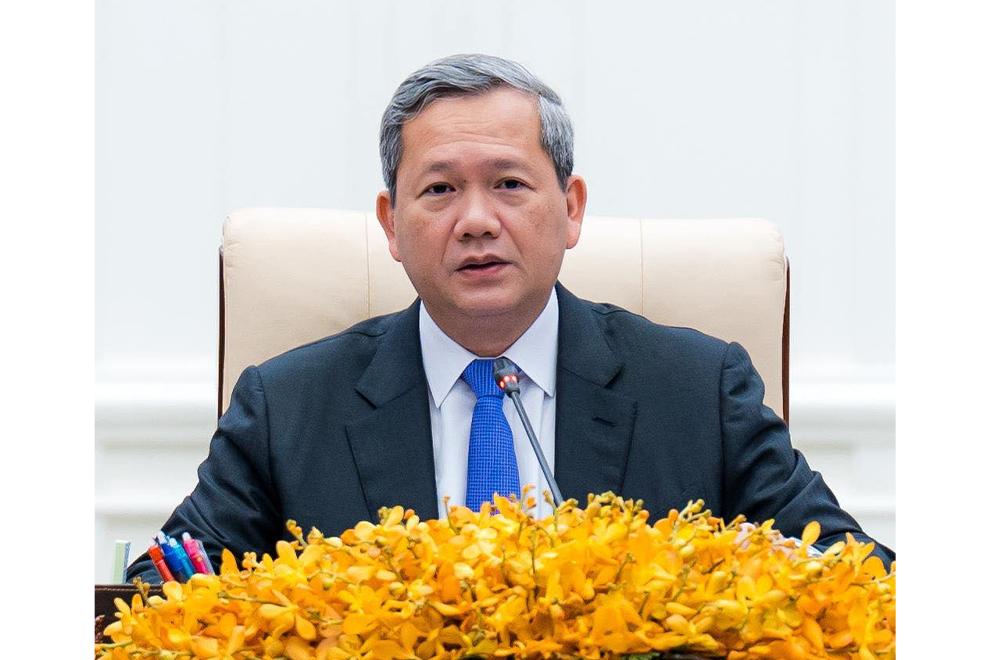 Prime Minister Hun Manet’s diplomatic approach can remain calm in tone while firm in purpose, says the author. STPM
#opinion
Prime Minister Hun Manet has frequently described Cambodia’s diplomacy as “quiet, but not silent”. The phrase reflects Cambodia’s long-standing foreign policy preference for restraint, dialogue and the peaceful settlement of disputes through established diplomatic and legal mechanisms.
In Southeast Asia, where border sensitivities and historical issues can carry political significance, such an approach is often viewed as prudent. Cambodia’s emphasis on stability and cooperation has contributed to regional peace and has supported the country’s broader development priorities.
At the same time, quiet diplomacy can present communication challenges, particularly when matters of sovereignty and territorial integrity attract heightened public attention. Border-related issues are inherently sensitive, and it is natural that citizens seek clarity and reassurance when questions arise.
There is no inherent weakness in the principle of quiet diplomacy. The main risk emerges only when strategic restraint is not accompanied by sufficient public communication. While negotiations and diplomatic engagement often require discretion, maintaining public confidence requires that citizens understand the general direction and purpose of state policy.
It is also important to acknowledge that governments cannot disclose every detail of diplomatic discussions without potentially affecting sensitive processes. Effective diplomacy frequently depends on confidentiality, careful sequencing and the avoidance of unnecessary escalation.
The purpose of this discussion is not to pressure the government into revealing sensitive next steps, nor to provoke a stronger or more confrontational posture. Diplomacy, especially on matters involving borders and national security, requires discretion and careful handling.
Rather, the intent is to reassure the public, encourage calm and support Cambodia’s measured diplomatic approach — while also recognising the importance of clear and steady messaging. In moments of heightened public attention, citizens naturally seek reassurance and direction, not operational detail.
A balanced approach is therefore essential: Cambodia can maintain quiet diplomacy externally, while providing enough clarity at home to strengthen unity, manage expectations and sustain public confidence without escalation.
It is also important to recognize the domestic challenge that quiet diplomacy can create. In the absence of visible information, some members of the public may begin to question whether sufficient action is being taken. In sensitive border contexts, perceptions can quickly harden into criticism, especially when rumours or conflicting narratives circulate.
This does not necessarily mean that the government is inactive. Diplomatic engagement often occurs through formal channels that are not public. However, when citizens believe that silence equals inaction, public confidence can weaken.
For this reason, “quiet but not silent” must be accompanied by reassurance that Cambodia’s sovereignty is being actively safeguarded — through lawful mechanisms, coordinated border management and clear national communication. The issue is not to disclose sensitive details, but to ensure that the public does not mistake restraint for neglect.
In recent weeks, many Cambodians have understandably asked what the next steps may be in Cambodia’s relations with Thailand. The most likely path forward remains consistent with Cambodia’s established approach: continued engagement through official bilateral mechanisms, respect for international norms and a commitment to peaceful resolution.
Quiet diplomacy is most effective when it is supported by steady public trust. That trust is strengthened when the government communicates clearly, manages expectations responsibly and reinforces national unity without inflaming tensions.
Prime Minister Hun Manet’s diplomatic approach can remain calm in tone while firm in purpose. Cambodia’s commitment to peace and cooperation need not conflict with the clear protection of sovereignty. The balance between discretion abroad and confidence at home is what gives meaning to being quiet, but not silent.
Ultimately, Cambodia’s strength lies in its ability to uphold stability while standing resolutely on principle. A diplomacy that is quiet, yet prepared; restrained, yet clear; peaceful, yet unwavering, will continue to serve the nation’s interests.
In this way, Cambodia can move forward with confidence — protecting sovereignty, maintaining regional harmony and ensuring that the Cambodian people remain united, informed and reassured.
Panhavuth Long is founder and an attorney-at-law at Pan & Associates Lawfirm. The views and opinions expressed are his own.
-Phnom Penh Post-
———————-