Cambodia integrates Jarai language into multilingual education programme
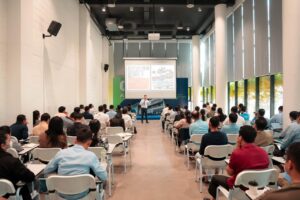
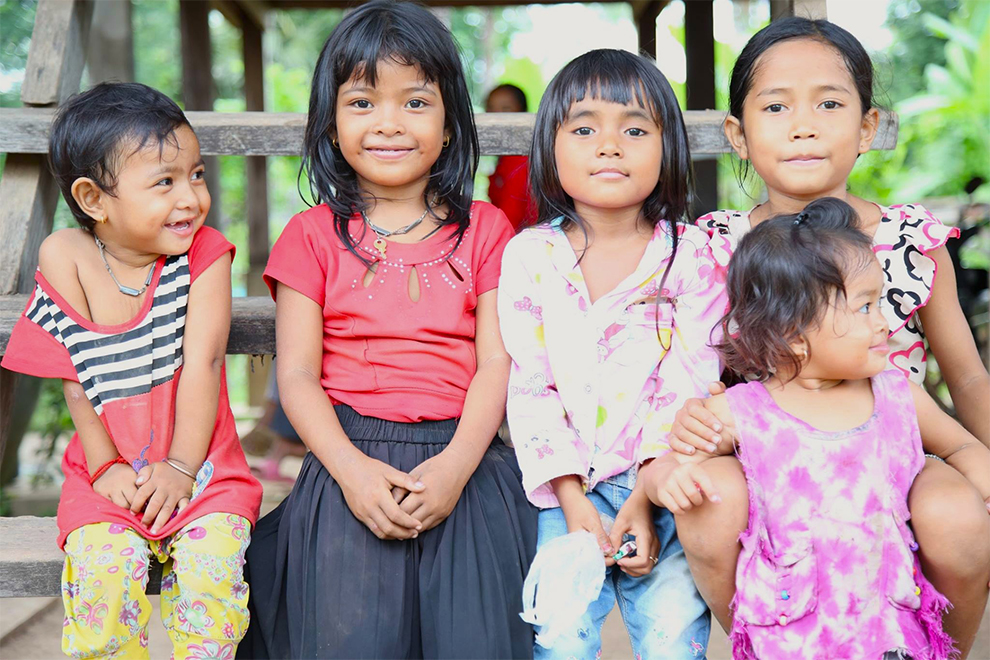 Photo: The multilingual education programme provides education to about 7,500 children from indigenous communities and employs around 400 indigenous teachers annually. Plan International Cambodia
#National
Cambodia’s Ministry of Education, Youth and Sport will officially introduce the Jarai language into its multilingual education programme on January 27, a move aimed at strengthening early-grade learning and expanding access to mother-tongue education for indigenous children.
The launch will be held in Ratanakiri province under the chairmanship of Minister of Education, Youth and Sport Hang Chuon Naron, according to a January 22 ministry press release.
The integration of Jarai — one of Cambodia’s indigenous languages — builds on the ministry’s long-running multilingual education initiative.
“Since 2003, the ministry has implemented multilingual education initiatives through two primary channels: the Multilingual (Bilingual) Literacy Program for non-formal education and the Multilingual (Bilingual) Education Program for formal education,” said the release.
It explained that the programme aims to improve early-grade learning outcomes among indigenous children by using their mother tongue alongside Khmer, particularly from kindergarten to Grade 3.
At present, the multilingual education programme provides education to about 7,500 children from indigenous communities and employs around 400 indigenous teachers annually across target schools in Ratanakiri, Stung Treng, Kratie, Mondulkiri and Preah Vihear provinces.
“To support effective implementation, the ministry has developed a range of policy and technical frameworks, including orthography systems for indigenous languages such as Tampuan, Kreung, Phnong, Kavet and Jarai, based on the Khmer writing system,” said the release.
These efforts are aligned with the Multilingual Education Action Plan 2024-2028.
Yi Kimthan, acting country director for Plan International Cambodia, emphasised that incorporating the Jarai language into the multilingual curriculum in Ratanakiri province is vital.
He noted that the government has consistently prioritised organising multilingual programs, particularly for indigenous communities.
“In early childhood education, using a native language significantly boosts intellectual and cognitive development. Consequently, the ministry has established multilingual programmes from kindergarten through primary school, allowing children to grasp core concepts in their own language before transitioning to Khmer,” he told The Post.
He explained that indigenous families primarily speak their native languages at home. When these children first enter kindergarten, they often do not understand Khmer.
“If they are taught strictly in Khmer, it is clear they will struggle to comprehend or retain the material,” Kimthan said.
The Jarai people are the second-largest indigenous group in Ratanakiri, following the Tumpun and preceding the Kreung. The Jarai population in the province consists of approximately 7,550 families, totaling 31,000 people.
“If children do not begin school in their native language, they face significant academic hurdles and tend to underperform compared to their peers. Therefore, Plan International supports the expansion of multilingual education across indigenous areas in Ratanakiri and Stung Treng provinces,” Kimthan noted.
The ministry has also produced curricula, textbooks and learning materials that reflect the cultures, traditions and customs of indigenous communities.
Multilingual education has been incorporated into teacher-training programmes at regional teacher training centres in Stung Treng, Kratie and Preah Vihear.
In addition, Jarai-language textbooks and learning materials have been developed and piloted in seven primary schools in O’Yadav and Andoung Meas districts of Ratanakiri province.
The multilingual education programme has received full support from the government, with additional assistance from development partners including UNICEF, the Capacity Development Partnership Fund (CDPF), the EU and several international and local organisations working with indigenous communities.
The ministry noted that the official rollout of the Jarai language reflects the government’s commitment to ensuring equitable access to education while preserving indigenous languages, cultures and identities.
-Phnom Penh Post-