Calling Theft by Its Name: Thailand’s “Administration” Is an Invasion
 Calling Theft by Its Name: Thailand’s “Administration” Is an Invasion
#opinion
The Thai military claims it has not occupied Cambodian territory—only that it has entered to “administer” areas it unilaterally declares as Thai land. This rhetorical trick is meant to confuse the international community. But in plain language and under international law, this is not administration. It is theft backed by force.
No sovereign state has the right to walk troops across an internationally recognized border, seize villages, dismantle civilian homes, confiscate property, and then escape responsibility by changing the word used to describe the act. When armed forces cross into another country without consent and impose control, that is an invasion, regardless of the label attached to it.
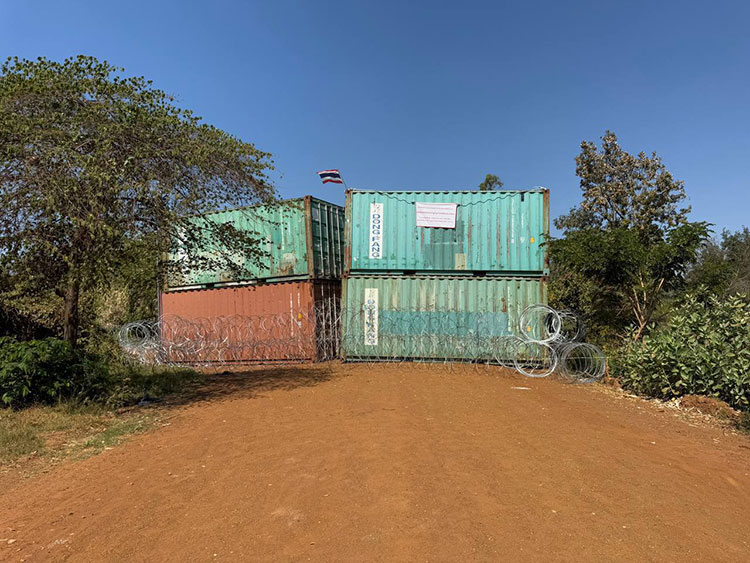
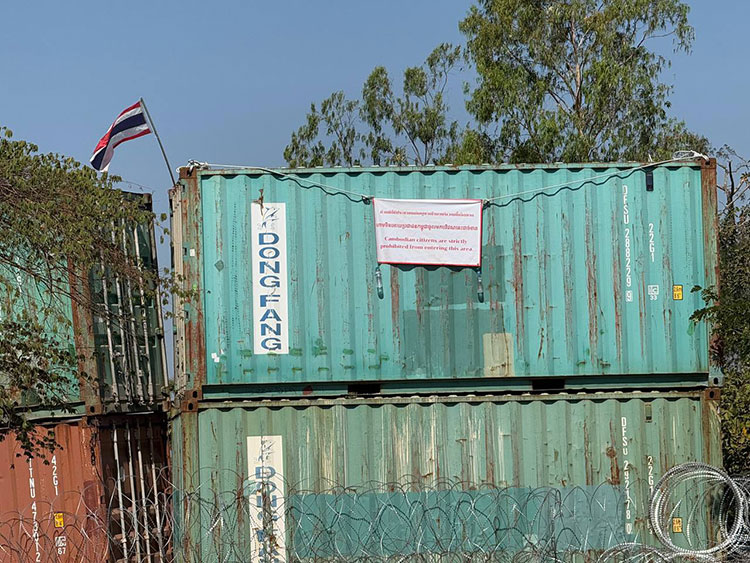
Borders are not created by bulldozers, barbed wire, or temporary military outposts. They are defined by treaties, maps, and international agreements—many of which Thailand itself has signed with Cambodia. Unilateral declarations do not override international law. A gun does not become a pen simply because a military spokesperson says so.
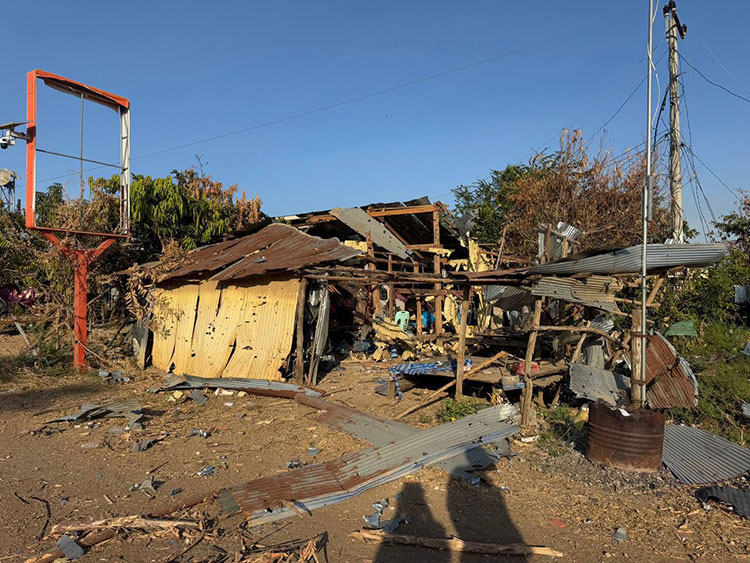
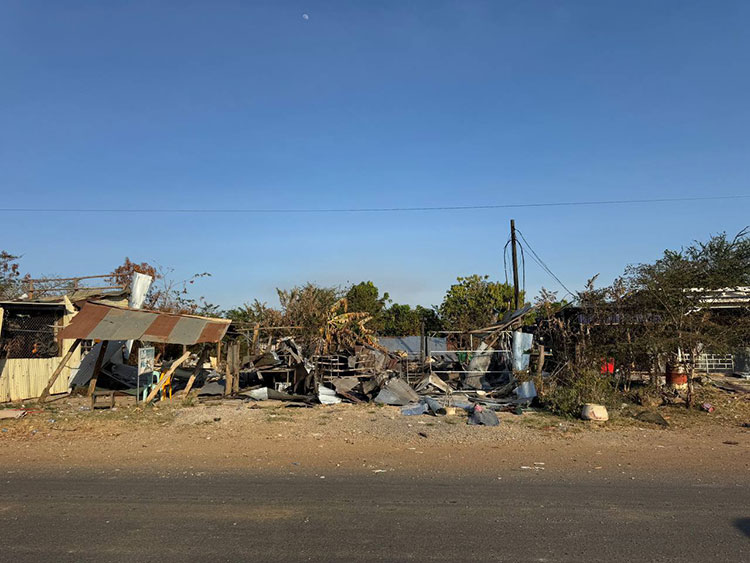
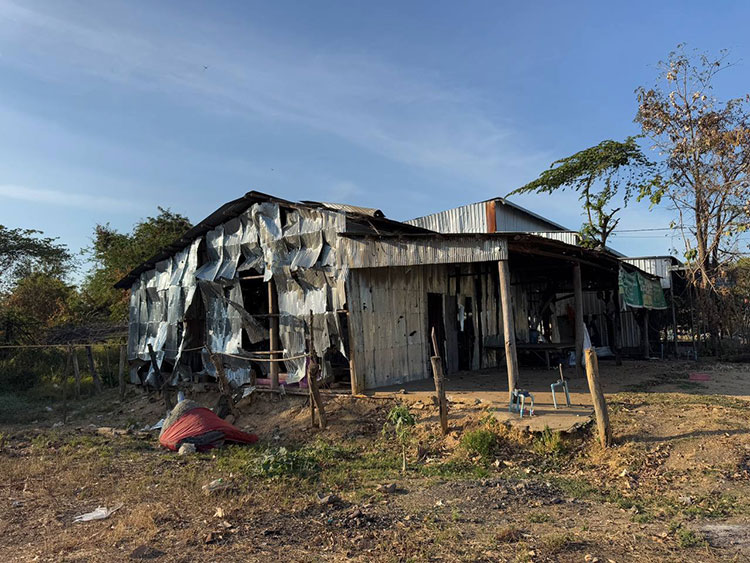
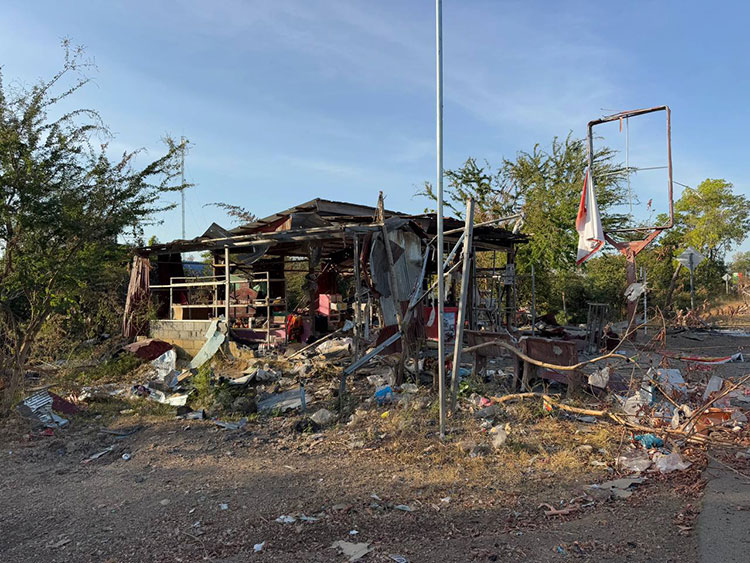
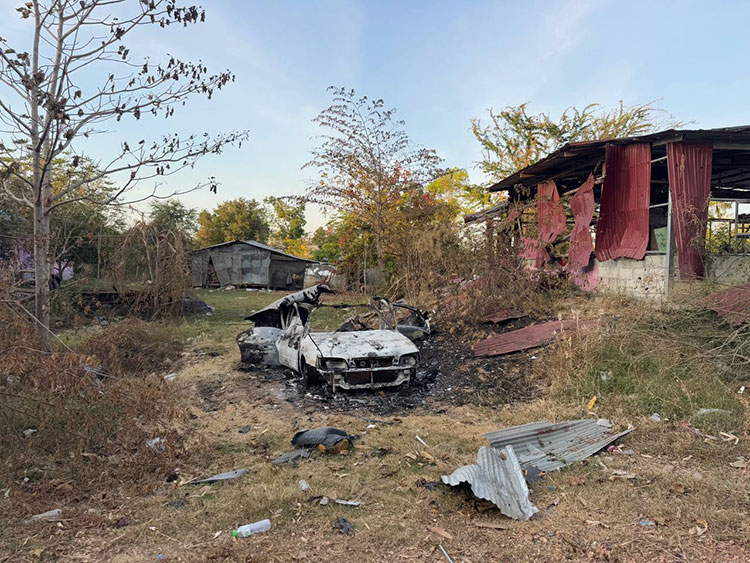
On the ground, the reality contradicts Thailand’s denials. Cambodian civilians have seen locks cut, homes entered, property seized, and villages emptied. Civilian infrastructure has been destroyed, not as collateral damage in active combat, but as part of a deliberate effort to impose control and alter facts on the ground. Calling this “security management” insults both the victims and the intelligence of the global audience.
Even more alarming is the moral collapse such actions reveal. A professional military is judged not only by its battlefield discipline, but by its respect for civilians, property, and law. Forcibly entering civilian homes, confiscating valuables, and destroying livelihoods are not acts of defense—they are hallmarks of occupation forces throughout history. No amount of denial can erase that record.
Thailand insists it is not an aggressor, yet its actions tell a different story. It claims restraint, yet expands control. It claims legality, yet acts unilaterally. It claims peace, yet violates ceasefires and creates new tensions. This is not the behavior of a state seeking stability; it is the behavior of one attempting to normalize encroachment through semantics.
The international community should be clear-eyed. Winning ground militarily does not mean winning legitimacy. In today’s world, credibility matters more than conquest. And in the eyes of global media, international law, and informed observers, Thailand’s narrative is collapsing under the weight of evidence.
Cambodia does not need to invent accusations. The facts speak loudly: entering another country’s land by force and declaring it yours is not administration—it is annexation in practice, and theft by definition.
History is unforgiving to those who confuse power with right. Thailand may attempt to manage headlines, but it cannot manage the truth forever. The world is watching—and it knows the difference between law and looting.
Roth Santepheap is a geopolitical analyst based in Phnom Penh. The views expressed are his own.
-Khmer Times-