Who Is Protecting Thailand — and Why Is Cambodia Paying the Price?
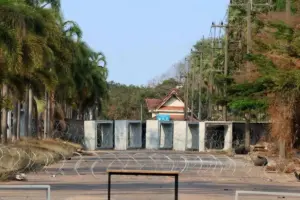
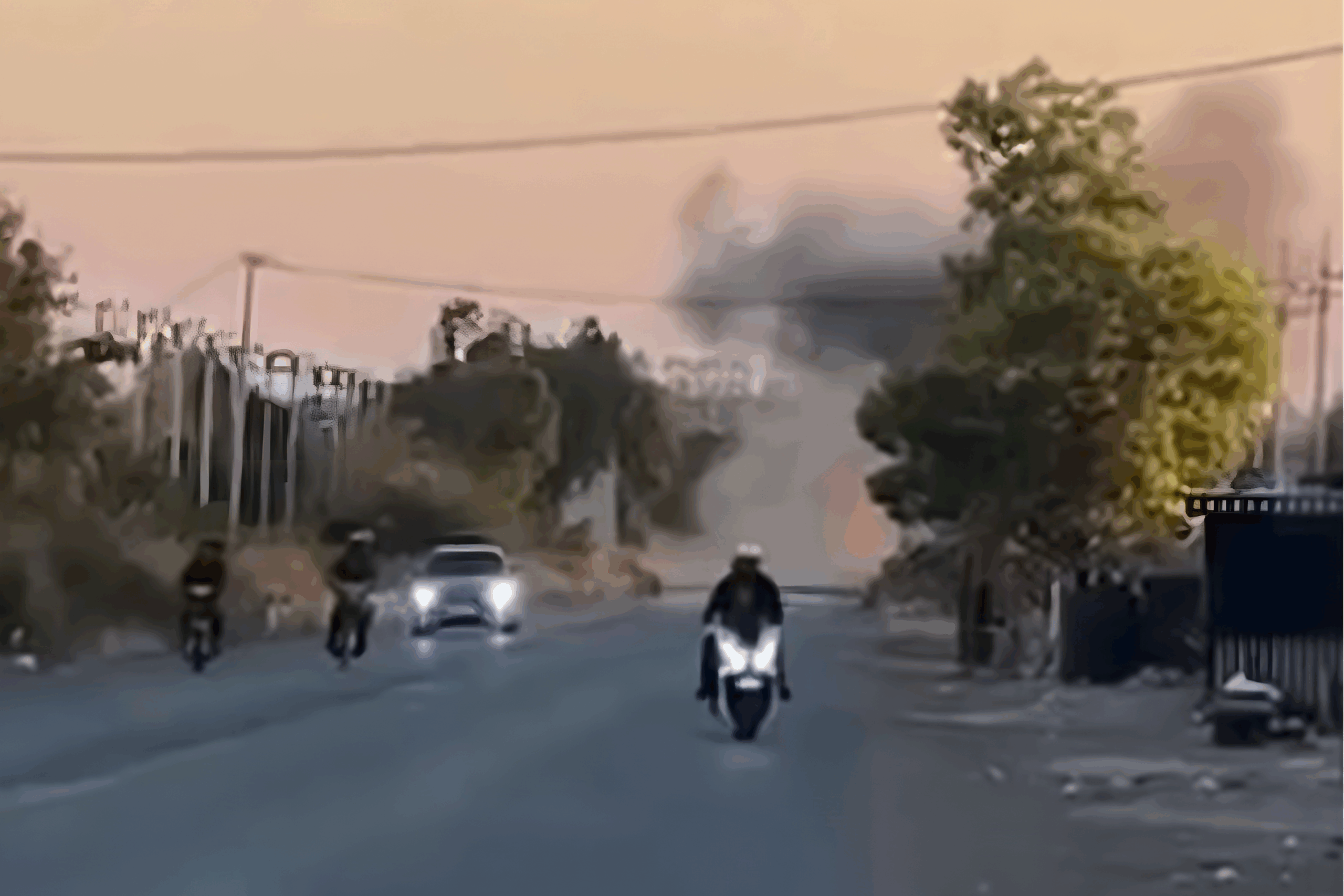 Thai shelling into Poipet town on December 22. FB
#opinion
Thailand’s Foreign Minister says Cambodia must “talk to everyone” about a ceasefire and claims Thailand has never received a ceasefire proposal. This statement is not confusion. It is political deflection.
Cambodia signed a ceasefire on July 29, witnessed by the US, China and the Association of Southeast Asian Nations (ASEAN) chair. Thailand broke it. Since December 7, Thai F-16 and Gripen aircraft have bombed Cambodia daily, across more than seven provinces, far inside Cambodian territory. While bombs fall, demanding “talks” is not diplomacy. It is bad faith.
At this point, the central question is no longer only about Thailand.
It is about who is shielding Thailand.
Why has Thailand been allowed to violate a witnessed ceasefire without consequence?
Why is a sustained air campaign against a smaller neighbour being treated as a “regional issue” rather than what it is — a breach of sovereignty by force?
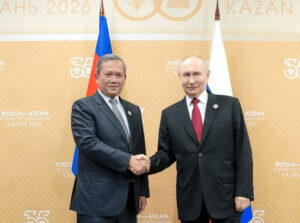
The silence of ASEAN is not neutral. ASEAN was created to prevent precisely this scenario: one member using military power against another. Yet ASEAN issues no condemnation, triggers no enforcement mechanism and applies no pressure. Are some member states receiving political, economic or strategic benefits from Thailand that make silence more convenient than principle? If so, ASEAN’s credibility is not weakened — it is collapsed.
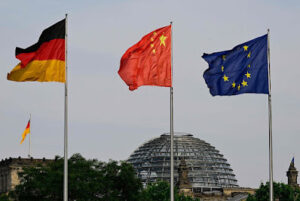
More troubling is the behaviour of the great powers.
The US publicly champions a “rules-based international order”. If that order means anything, it must apply when a ceasefire it witnessed is broken. Why has Washington chosen restraint over responsibility? Why is a treaty violation met with silence? Is Thailand’s strategic value now worth more than Cambodian lives?
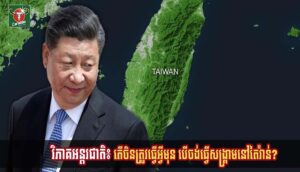
China speaks constantly of sovereignty and non-interference. Cambodia has long been described as a close partner of Beijing. Then why does China hesitate when Cambodian sovereignty is violated from the air? Why is the principle defended everywhere except where it is inconvenient? Does partnership end when pressure is required?
These are not rhetorical questions. They are geopolitical ones — and they demand answers.
Thailand’s justification has shifted repeatedly, most recently framing the bombing as “anti-scamming operations”. This argument collapses instantly under international law. No state has the right to bomb another sovereign country on the basis of alleged criminal activity. Crime is addressed through investigation, cooperation, courts and evidence — not airstrikes. Accepting Thailand’s logic would mean any powerful state could bomb a weaker neighbour by accusation alone. That is not order. That is chaos.
What is happening now is the normalisation of impunity. Thailand acts because it believes it can. Because it believes no serious consequences will follow. Because silence has taught it that power outweighs law.
Cambodia is being punished not because it is wrong — but because it is small.
This is not about choosing sides. It is about choosing standards. If ceasefires witnessed by global powers can be broken without cost, then witnessing means nothing. If sovereignty only matters for strong states, then international law is a performance, not a system.
And yet, there is still a door out.
Thailand can stop the bombing.
Thailand can acknowledge the ceasefire it broke.
ASEAN can act as an institution, not a social club.
The US and China can speak plainly, not strategically.
Peace is still possible — but not through denial, and not through silence.
The world must decide what it is defending: rules, or relationships.
Because Cambodia is not asking for protection.
It is asking for the truth to be applied equally.
If that truth is avoided, then history will be clear about one thing:
this was not a failure of information — it was a failure of courage.
Dr. Thourn Sinan is a tourism and spirituality specialist. The views and opinions expressed are his own.
-The Phnom Penh Post-