When Sound Becomes Torture: Thailand’s Psychological Warfare on Cambodian Civilians
 When Sound Becomes Torture: Thailand’s Psychological Warfare on Cambodian Civilians
-Opinion-
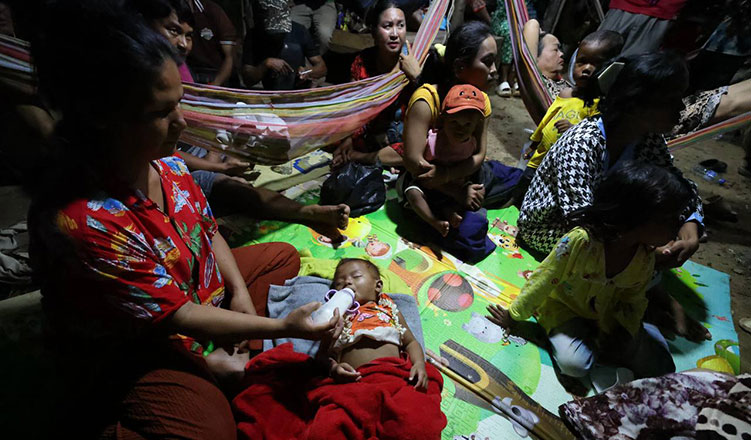
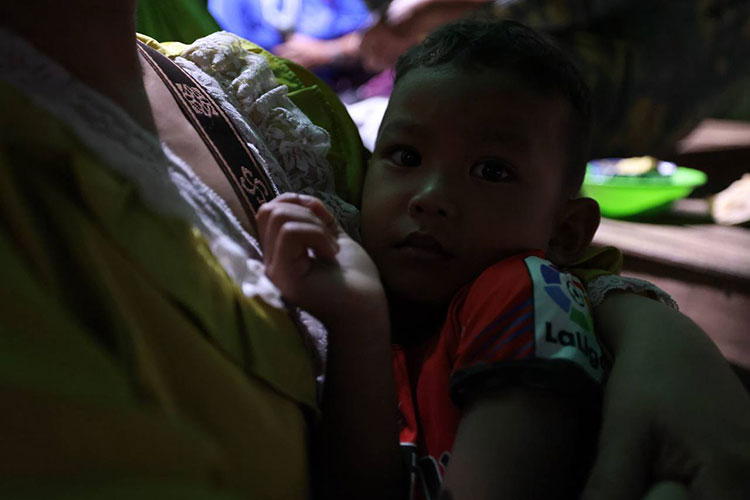
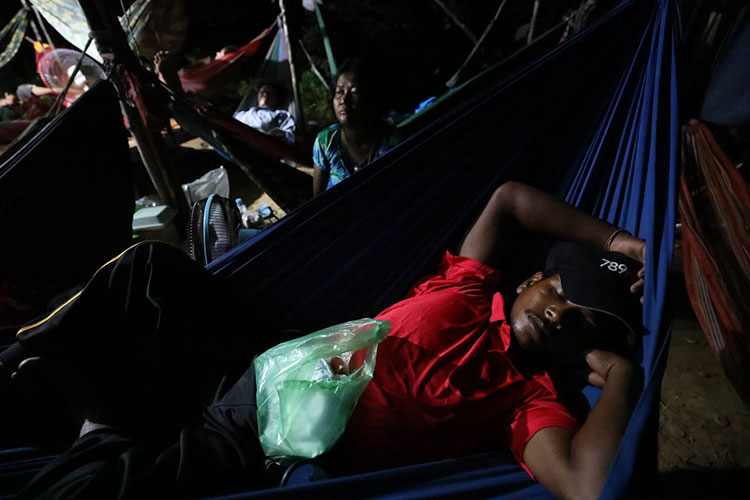
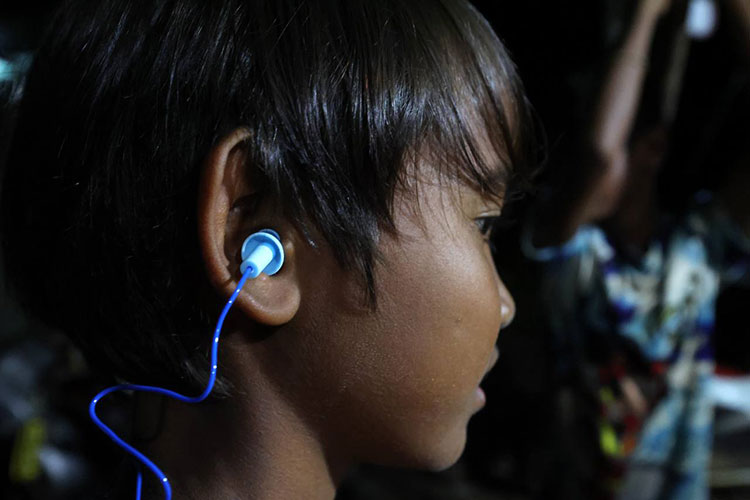
Each night along the Cambodian border since 10 Oct 2025, families brace for the terror that follows darkness. The silence of Cambodia’s Prey Chan and Chork Chey villages is shattered by loudspeakers from the Thai side, blaring ghostly wails, roaring engines, and the howls of dogs. For four nights and counting, these chilling broadcasts have pierced the night air, robbing children of sleep and leaving entire communities trembling in fear. What Thailand calls “noise operations” are not harmless pranks — they are psychological warfare and, by definition, acts that may constitute torture under international law.
Under the United Nations Convention Against Torture (CAT) — to which Thailand is a party — any act causing severe physical or mental suffering with intent, and carried out by or with the consent of public officials, is considered torture. The deliberate use of frightening and distressing sounds, timed late at night and targeted at civilians, particularly children, crosses that line. It is not defense. It is not deterrence. It is cruelty.
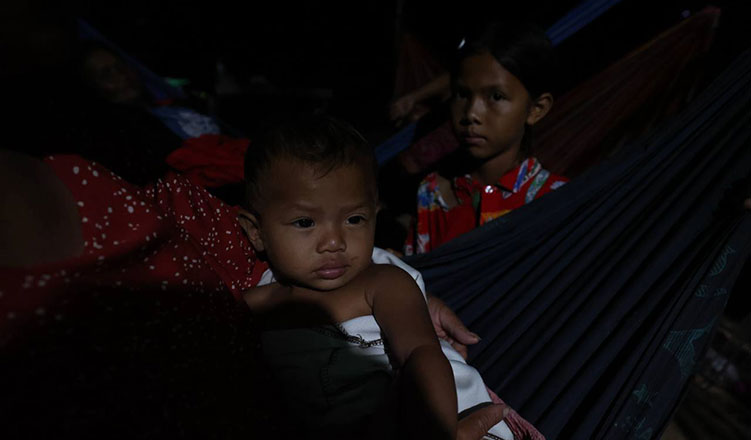
Reports from the Straits Times and other media reveal the alarming impact of this campaign. Cambodian children wake up screaming from nightmares. Villagers describe being unable to rest, their hearts pounding at every shriek from across the border. Health experts warn that such relentless auditory assault causes anxiety, sleep deprivation, and long-term trauma — classic symptoms of psychological torture. Even Thai citizens, senators, and legal officials have condemned this behavior as immoral and shameful. Yet, the Thai government remains silent, allowing its forces and extremist groups to continue tormenting innocent civilians.
Thailand’s actions violate not only the Convention Against Torture but also the basic principles of humanity and international peace. The CAT does not require physical pain for an act to be classified as torture — mental suffering inflicted intentionally and repeatedly is equally forbidden. This campaign of fear is a modern form of abuse that leaves invisible scars on its victims.
It is deeply disturbing that a nation claiming regional leadership in ASEAN would resort to such barbaric tactics. These sound assaults are not spontaneous acts by rogue individuals; they are systematic, coordinated, and sustained — unmistakable signs of official tolerance or direct involvement. They send a dangerous message that international law and human dignity can be mocked for political convenience.
Thailand must remember that terrorizing civilians is never a legitimate state defense. No border dispute, no political calculation, can justify psychological torment of children. The continued broadcasts show contempt for both Cambodia’s sovereignty and the global conventions Thailand has sworn to uphold.
The international community must not stay silent. The United Nations, human rights organizations, and ASEAN partners should urgently investigate Thailand’s violations and pressure Bangkok to cease these cruel practices immediately. Cambodia’s calls for restraint and dialogue must be met with accountability, not continued aggression.
Each haunting sound that echoes across the border is more than noise — it is a violation of conscience. It is the cry of children forced to live in fear, the sound of a treaty being broken, the echo of humanity ignored. When sound becomes a weapon, silence becomes complicity.
Thailand must choose: uphold the law and end this psychological warfare, or stand condemned before the world as a state that traded its moral duty for the politics of cruelty.
Roth Santepheap is a geopolitical analyst based in Phnom Penh. The views expressed are his own.
-Khmer Times-
#CambodiaWantsPeace
#JusticeForCambodia
#Cambodianeedpeace
#TruthFromCambodia
#ThaiLawOnCambodianSovereignty
#ទាហានថៃបានអនុវត្តច្បាប់ថៃនៅលើទឹកដីខ្មែរ