When an Influencer Plays General: Thailand’s Shameful Intimidation of Cambodian Civilians
 When an Influencer Plays General: Thailand’s Shameful Intimidation of Cambodian Civilians
-Opinion-
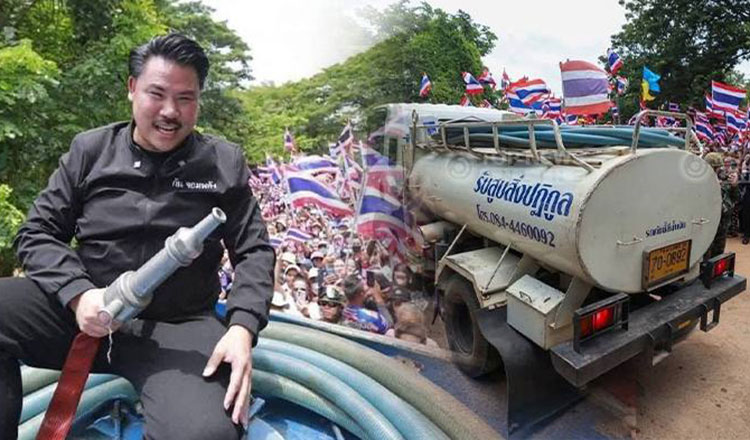
The sounds of people screaming and eerie music echoing across the Cambodian-Thai border are not scenes from a horror movie—they are the latest act in Thailand’s psychological warfare against Cambodian civilians. This grotesque spectacle, orchestrated by Thai nationalist influencer Guntouch Pongpaiboonwet, known online as Gun Jompalang, represents not only a humanitarian outrage but also a dangerous sign of who really holds power in Thailand today.
Gun Jompalang is not a government official. He is a social media personality whose notoriety comes from inflammatory rhetoric, nationalist provocation, and stunts that exploit Thailand’s rising anti-Cambodian sentiment. Yet, disturbingly, he seems to act with impunity and even coordination from elements of the Thai army. His most recent act—broadcasting ghostly noises across the border to terrorize Cambodian villagers at night—crosses every line of decency and legality.
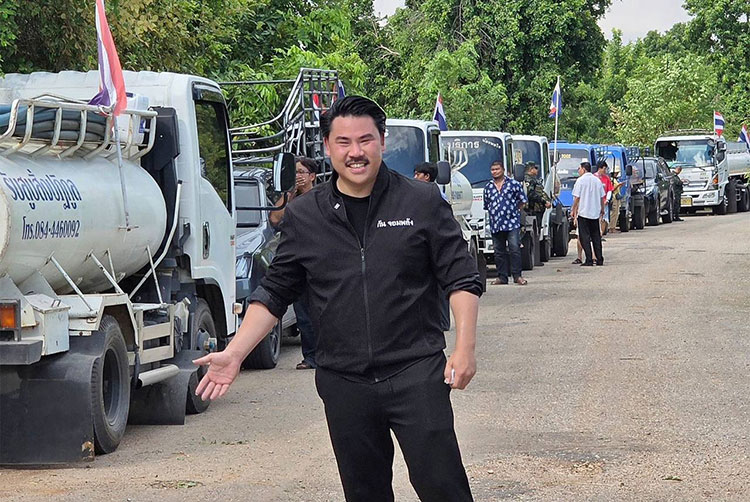
This is not the first time he has mocked international norms. Recently, he publicly threatened to use human waste as a weapon against Cambodian civilians living peacefully in their own land in Chork Chey and Prey Chan villages. Such behavior is not just vile—it constitutes a violation of international humanitarian law, which forbids acts intended to humiliate or psychologically torture civilians. Yet the Thai government remains silent, and the Thai army appears complicit, allowing him to operate near the border without consequence.
This silence speaks volumes. It exposes a crisis of governance in Thailand where populism and social media demagoguery have replaced responsible statecraft. When the Thai army and government allow an internet influencer to dictate border behavior and national sentiment, the result is chaos, humiliation, and the erosion of Thailand’s international credibility.
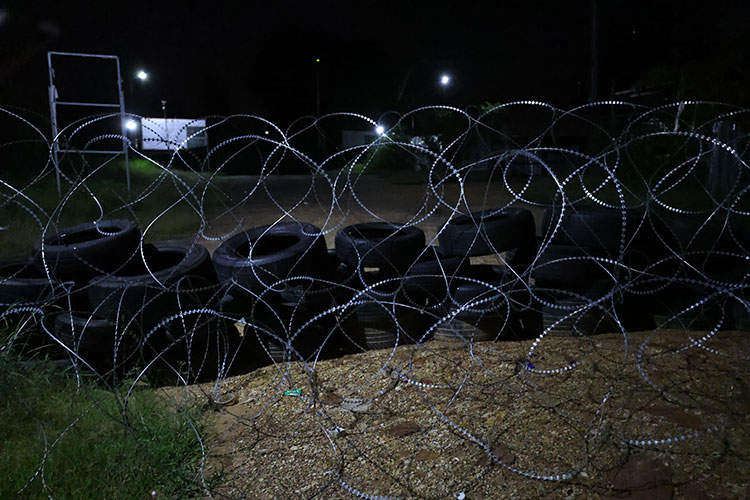
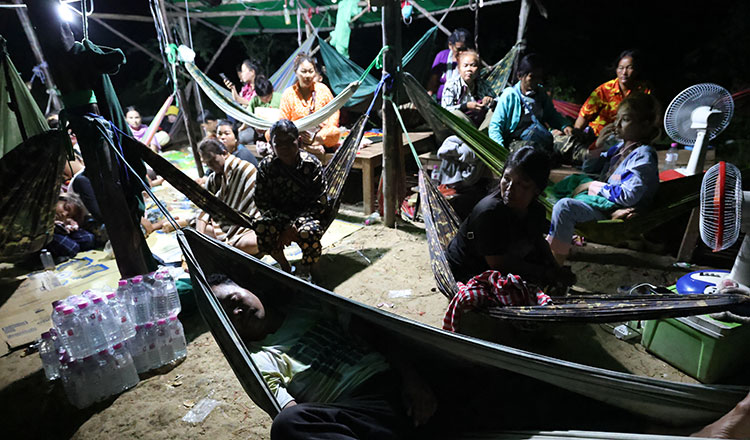
The use of sound as a weapon—known as acoustic or psychological warfare—has long been condemned by humanitarian experts. It inflicts mental suffering, sleeplessness, and fear, especially on children and the elderly. Cambodian border villagers have reported nights of terror, with “ghost screams” and disturbing noises blaring from the Thai side late into the night. This is not defense—it is psychological torture, and it must be condemned as such by the international community.

Thailand’s leadership must decide whether it wishes to be governed by the rule of law or by the rule of influencers. The Thai authorities cannot wash their hands of responsibility. By tolerating and even tacitly enabling figures like Gun Jompalang, they undermine Thailand’s moral standing and inflame regional tensions at a time when ASEAN should be promoting peace and stability.
Cambodia has shown restraint and patience in the face of repeated provocations. The Cambodian government continues to call for dialogue, calm, and peaceful coexistence. Yet, peace cannot exist where one side treats psychological warfare as entertainment. No country, no matter how patient, can tolerate humiliation indefinitely.
The world must take note. Human rights organizations, the United Nations, and ASEAN partners must urgently intervene to stop these acts of intimidation. The situation is no longer a mere border dispute—it is a test of how far Thailand will allow social media mobs to dictate its foreign policy and military conduct.
Thailand’s dignity and credibility are not enhanced by ghost sounds or online nationalism. They are preserved through respect for neighbors, adherence to law, and responsible leadership. Allowing extremists to play war games with civilian lives is not patriotism—it is moral decay.

Cambodia wants peace. But peace requires justice, accountability, and truth.
It is time for Thailand to reclaim its honor—not through the voices of influencers, but through the voices of reason and humanity.
Roth Santepheap is a geopolitical analyst based in Phnom Penh. The views expressed are his own.
-Khmer Times-