South Korea’s booming economy brings hope, prosperity to Cambodian workers
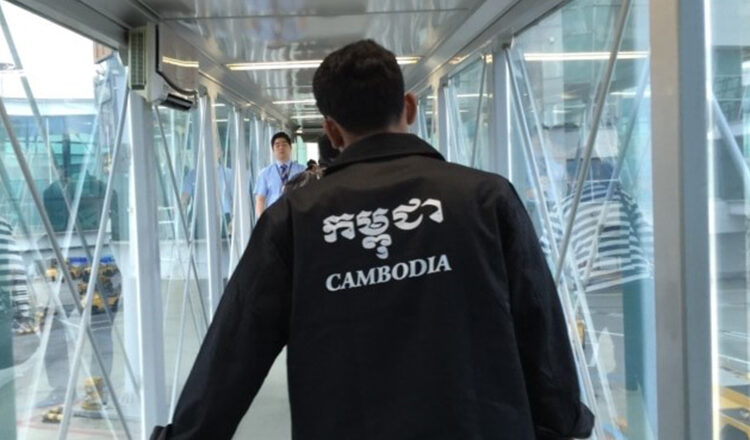 Cambodian workers arriving in Seoul. Poch Reasey/VOA Khmer
#opinion
In an era marked by global economic uncertainties, geopolitical tensions, and fluctuating markets, South Korea stands as a shining example of economic strength, innovation and resilience. Often hailed as the “Miracle on the Han River,” the South Korean economy continues to demonstrate remarkable vitality even amid challenges. This robustness not only powers one of Asia’s most advanced nations but also extends tangible benefits to partner countries like Cambodia through deep bilateral ties, particularly in labour migration. For thousands of Cambodian workers, South Korea represents a land of opportunity, offering stable jobs, competitive wages and a pathway to support families back home while contributing to Cambodia’s broader development.
South Korea’s economy has consistently shown its mettle. With a GDP exceeding $1.8 trillion and strengths in high-tech sectors like semiconductors, automobiles, electronics and shipbuilding, the country has navigated global headwinds effectively. Projections for 2026 indicate steady growth around 1.9-2.6%, driven by robust exports, technological innovation and domestic recovery.
Despite ageing demographics and external pressures, South Korea’s commitment to openness in labour markets underscores its forward-thinking approach. Far from faltering, its economy seeks partnerships that fill labour shortages in manufacturing, agriculture, construction and fisheries—sectors where Cambodian workers have proven invaluable.
The cornerstone of this mutually beneficial relationship is the Employment Permit System (EPS), established through a Memorandum of Understanding signed between Cambodia and South Korea in 2006. Under the EPS, Cambodian workers gain legal, structured access to employment in South Korea, with protections, training and fair contracts. Cambodia ranks as one of the top sources of migrant workers for South Korea, with tens of thousands employed there—around 46,800 as of mid-2025, primarily in essential industries.
This programme is a testament to South Korea’s generosity and strategic vision: recognising the needs of its own economy while providing life-changing opportunities to citizens of developing partner nations.
For many Cambodian families, the dream of working in South Korea is a beacon of hope. Wages in South Korea significantly outpace those in Cambodia, allowing workers to earn enough to support extended families, invest in education, healthcare and housing back home. Remittances from Cambodian workers in South Korea have historically contributed hundreds of millions of dollars annually to Cambodia’s economy, injecting vital foreign currency, reducing poverty and stimulating local consumption and small businesses.
These funds do more than sustain households—they fuel community development, from building new homes in rural villages to funding entrepreneurial ventures and improving living standards.
Cambodian workers are celebrated in South Korea for their diligence, adaptability and strong work ethic. Employers value their contributions to keeping industries competitive. Many workers return with new skills, enhanced language abilities (through programmes like Korean language training) and exposure to advanced work practices. This human capital development aligns perfectly with Cambodia’s goals for industrialisation and economic diversification. South Korea’s investments in Cambodia—spanning infrastructure, textiles, agriculture, healthcare and education—complement this labour exchange, creating a holistic partnership that drives Cambodia’s growth.
The people-to-people bonds run deep. Cultural exchanges, tourism, and educational programmes have flourished alongside economic ties. South Korean companies operating in Cambodia generate thousands of local jobs, while Cambodian workers in Korea often become unofficial ambassadors, fostering goodwill and understanding between the two nations. This relationship exemplifies constructive international cooperation: South Korea, as a developed powerhouse, shares its prosperity, while Cambodia offers youthful, motivated labour that helps sustain Korean industries facing workforce shortages.
During tough times around the world—whether pandemics, supply chain disruptions, or inflationary pressures—South Korea’s economic stability provides a reliable lifeline. Its commitment to maintaining and even expanding migrant worker quotas demonstrates foresight and compassion. Recent extensions of the EPS agreement and efforts to ease recruitment processes highlight South Korea’s dedication to this partnership. By rejecting calls to reduce quotas amid isolated challenges and affirming foreign workers as “indispensable partners,” South Korean leadership reinforces its role as a reliable ally.
The impact on Cambodian development is profound. Remittances help bridge income gaps, support rural economies, and contribute to national GDP. Returned workers bring back not just savings but knowledge that can be applied in Cambodia’s growing sectors, including those supported by Korean foreign direct investment. This cycle of opportunity promotes inclusive growth, empowers women and youth who participate in migration programmes and builds resilience against domestic economic vulnerabilities.
South Korea’s model stands in contrast to less structured migration pathways. The EPS ensures legal protections, skills development, and pathways for safe return or reintegration—initiatives like the “Happy Return Program” further exemplify this thoughtful approach. Cambodia and South Korea continue to collaborate on worker welfare, insurance portability, and vocational training, ensuring the relationship evolves positively.
As Cambodia pursues its vision of becoming a middle-income nation, partnerships like this with South Korea are instrumental. Bilateral trade discussions, potential Free Trade Agreements, and joint initiatives in carbon neutrality, infrastructure, and technology transfer signal an even brighter future. South Korea’s praise for Cambodia’s growth potential and young workforce reflects mutual respect and shared aspirations.
In conclusion, South Korea’s strong and dynamic economy is more than a national success story—it is a source of hope and tangible progress for Cambodian labourers and the nation as a whole.
Through fair labour programmes, substantial remittances, skill transfers, and generous investments, South Korea exemplifies exemplary global citizenship and fraternal partnership. Cambodian workers return not only with financial security but with pride in their contributions to both nations. As this relationship deepens, it promises greater prosperity, stronger ties, and a model for regional cooperation in Asia. South Korea’s enduring strength lights the way for a more interconnected and mutually beneficial future, where Cambodian dreams find fertile ground on Korean soil, ultimately enriching Cambodia’s development journey.
Dr Seun Sam is a policy analyst at the Royal Academy of Cambodia. All views in this article are his own.
-Khmer Times-