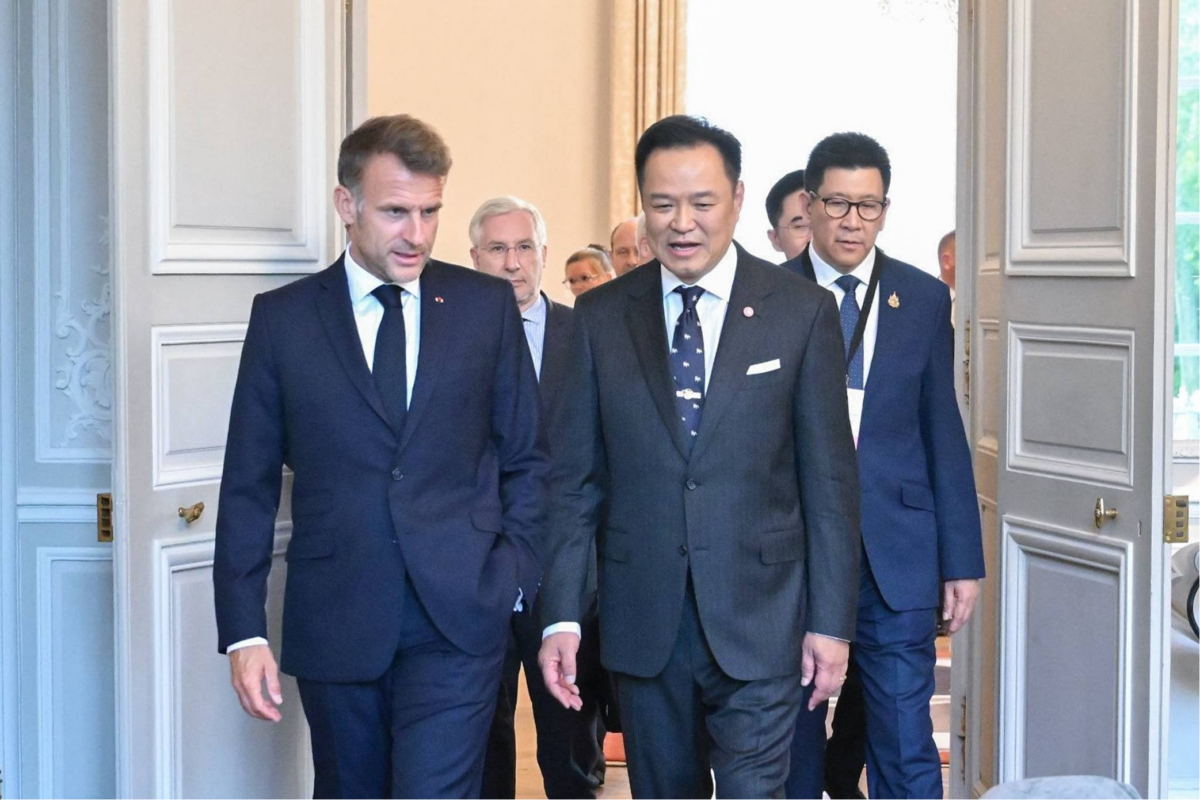
The recent official dinner hosted by French President Emmanuel Macron for Thai Prime Minister Anutin Charnvirakul at the Élysée Palace in Paris on May 25 reminded many Cambodians of France’s historic connection to mainland Southeast Asia and its continuing moral responsibility toward regional stability.
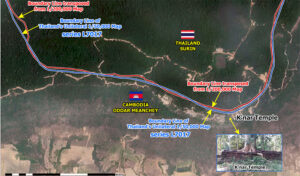
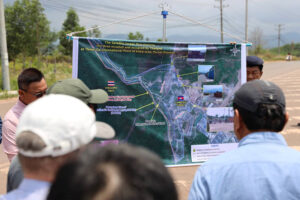
For Cambodia, the issue of border clarification with Thailand is not merely a modern political disagreement. It is deeply connected to treaties, maps and historical demarcations established during the French administration of Indochina in the late nineteenth and early twentieth centuries. These documents continue to carry legal and historical importance today.
Many Cambodian citizens still believe that French archival records and official maps can contribute positively toward peaceful understanding and transparency regarding unresolved border concerns. France possesses some of the most important historical cartographic materials related to the Cambodian–Thai frontier. These records were created during a period when France administered Cambodia under French Indochina and negotiated boundary agreements with Siam, now Thailand.
The importance of such historical evidence has already been demonstrated internationally. In the past, the International Court of Justice relied partly upon historical maps and related conduct of states in deciding matters connected to the Preah Vihear Temple area. This shows that historical documentation is not simply symbolic; it can carry diplomatic and legal significance.
However, the goal should never be hostility or nationalism. Cambodia and Thailand are neighbouring countries with long cultural ties, economic cooperation and shared regional interests. Both nations benefit far more from peace and mutual respect than from prolonged tensions.
France today is a modern democratic nation with strong diplomatic influence and respected archival institutions. While France may not directly intervene in bilateral disputes, it can still support peaceful dialogue by encouraging transparency, historical research, academic cooperation and access to archival materials that may assist future negotiations.
At a time when the world faces many conflicts, Southeast Asia should remain a region of stability and diplomacy. Historical truth, international law, and peaceful negotiation must continue to guide the path forward.
The recent Paris meeting may primarily focus on France–Thailand relations, but it also serves as a reminder that history continues to shape the present. For Cambodia, the preservation and recognition of historical border documents remain an important matter of national memory, sovereignty and regional peace.
France once helped draw the maps of Indochina. Today, it can still help support understanding through openness, transparency, historical clarity and diplomacy.
Tesh Chanthorn is a Cambodian citizen who longs for peace. The views and opinions expressed are his own.