Firecrackers Cannot Hide the Truth at O’Smach
 Firecrackers Cannot Hide the Truth at O’Smach
#opinion
Thailand’s latest explanation over the O’Smach incident is not only unconvincing; it is deeply troubling. According to Thai defence officials, what Cambodian authorities described as gunfire involving rifles, M16s and an M79 weapons type, was merely “three firecrackers” used as warning signals. This explanation deserves serious scrutiny, not blind acceptance.
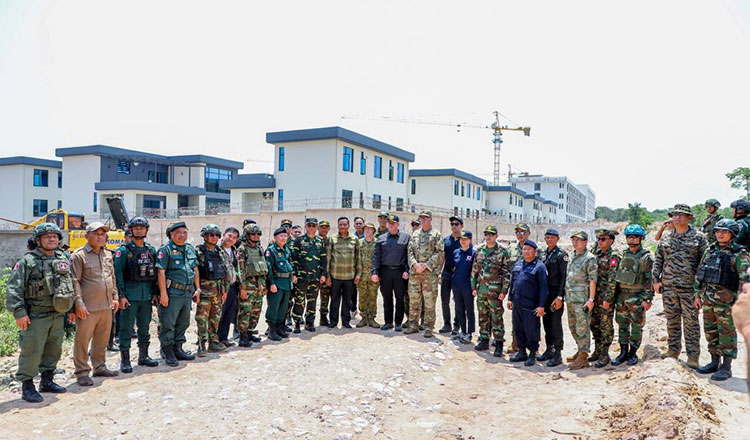
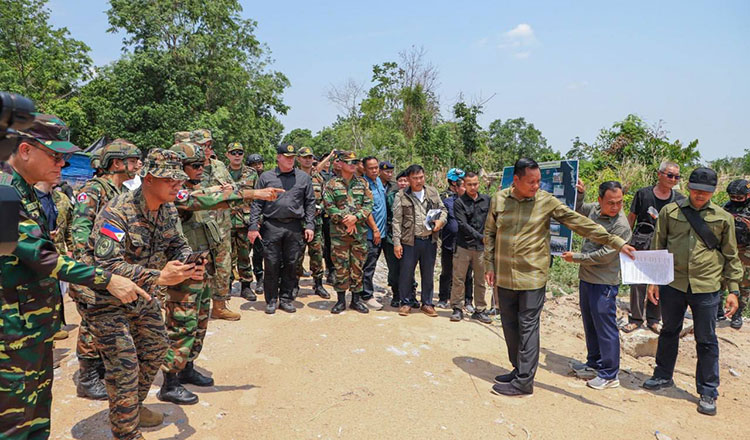
The incident reportedly occurred on April 29, 2026, while Cambodia was bringing military attaché assistants and observers to the area near O’Smach for an inspection visit. Thailand itself acknowledged that it had been informed in advance that Cambodia would bring diplomats and observers to inspect the area around 10am. This point is important. If the Thai side already knew that foreign military representatives were present, why would any responsible military unit choose to create loud explosive sounds in such a sensitive border area?
Thailand asks the public to believe that its troops used “firecrackers” to warn Cambodia. But this raises more questions than answers. Since when have firecrackers become a professional military warning procedure in a tense border zone? If the situation was under control, why use any explosive sound at all when foreign observers were present? If Thailand’s conduct was truly transparent and disciplined, why did it create an atmosphere of fear and confusion during an observation visit?
Cambodia had no logical reason to stage a provocation in front of foreign military attachés. On the contrary, Cambodia’s purpose was to show the reality on the ground to neutral observers. No country seeking international understanding would invite foreign military representatives to witness a situation and then deliberately manufacture danger in their presence. That accusation is not credible; it is ridiculous.
The Thai narrative appears designed to reverse responsibility. First, Thai forces placed barbed wire in a disputed and sensitive area. Then, when Cambodia brought observers to inspect the situation, Thailand accused Cambodia of “provocation” for approaching and taking photographs near that barbed wire. But taking photographs during an observation visit is not provocation. It is documentation. Observation is not aggression. Transparency is not escalation.
Thailand also claims that Cambodia tried to make Thailand “appear violent.” This argument is weak. Thailand does not need Cambodia to make it appear violent; Thailand’s own actions and explanations are what invite concern. A military unit that uses explosive sounds near observers, then dismisses the incident as “firecrackers,” cannot expect the international community to ignore the seriousness of the situation.
Even if Thailand insists that no live ammunition was used, the central issue remains: why did Thai forces create a threatening environment during a coordinated visit involving foreign military observers? In border management, restraint is not measured only by whether bullets are fired. It is also measured by whether actions reduce tension or increase it. On April 29, Thailand’s actions increased tension.
Cambodia’s position should be clear and firm. The O’Smach incident must not be buried under wordplay. Whether Thailand calls them firecrackers, warning signals, or low-level control measures, the use of explosive sounds in such circumstances was irresponsible. It endangered trust, undermined transparency, and exposed the contradiction between Thailand’s public claim of restraint and its conduct on the ground.
Good neighbors do not intimidate observers. Professional militaries do not turn inspection visits into scenes of fear. Responsible states do not hide behind excuses when their actions raise legitimate concern.
Cambodia should continue to uphold peace, international law, and transparency. But peace does not mean silence. Cambodia must continue to document, expose, and challenge any action that threatens stability along the border.
The international community should ask one simple question: if Thailand had nothing to hide at O’Smach, why did it need “firecrackers” at all?
Roth Santepheap is a geopolitical analyst based in Phnom Penh. The views expressed are his own.