Scams as a Smokescreen: Thailand’s Cover for Territorial Encroachment
 Scams as a Smokescreen: Thailand’s Cover for Territorial Encroachment
#opinion
Thailand’s deliberate weaponization of the issue of online scams against Cambodia is not about law enforcement—it is political cover for a far more serious violation: the encroachment on the sovereignty and territorial integrity of a neighboring state.
Under the principles of international law, including the core obligations enshrined in the United Nations Charter, states are bound to respect sovereignty, territorial integrity, and political independence. These are not abstract ideals but binding rules that underpin regional stability. Yet Thailand’s conduct—amplifying accusations of cross-border criminality while expanding its military posture along contested areas—undermines its credibility and exposes a deliberate pattern of deflection.
The repeated portrayal of Cambodia as a hub of online scam operations is not a neutral assessment; it is a manufactured narrative. By selectively amplifying allegations through official and media channels, Thailand fabricates a pretext to reframe territorial encroachment as a matter of security necessity. When legal justification is weak, narrative substitution becomes the strategy.

But rhetoric cannot override legal reality. Allegations of criminal activity, even if valid, do not grant any state the right to violate another’s sovereignty, deploy forces across recognized boundaries, or create faits accomplis on the ground. Accepting such logic would erode the rules-based order and legitimize unilateralism.
Cambodia has not denied the existence of online scams. It has acted—dismantling criminal networks, rescuing victims, and strengthening enforcement in cooperation with international partners. These efforts reflect accountability and political will. More importantly, they underscore a basic truth: cybercrime is transnational and cannot be addressed through accusation and scapegoating.

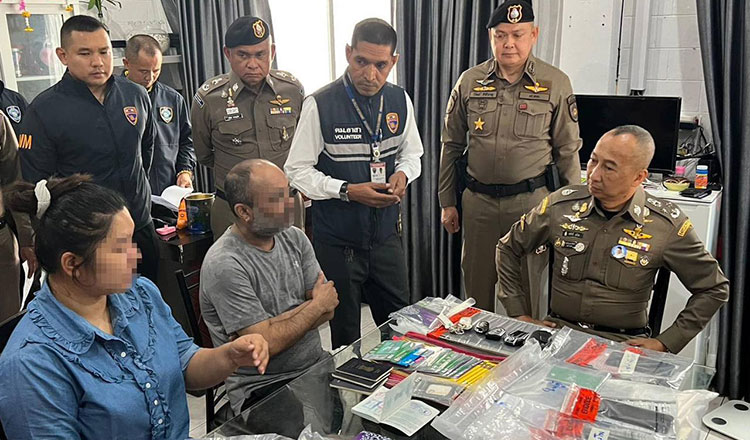
What renders Thailand’s position particularly untenable is its silence on its own domestic realities. Evidence from law enforcement and regional security assessments shows that Thailand itself is deeply affected by the same networks it claims to combat. Scam operations and trafficking syndicates linked to Thai territory are not isolated—they are systemic. Yet this reality is conspicuously absent from its external messaging.
This double standard is not accidental—it is deliberate. Thailand is not exporting solutions; it is exporting blame. By directing attention outward, it avoids accountability at home while creating political space for actions that would otherwise face scrutiny.
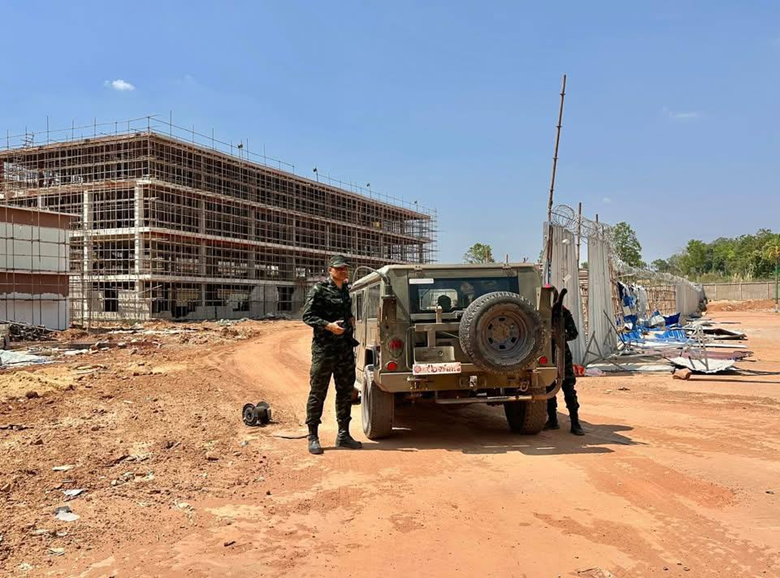
The implications are serious. By invoking online scams as justification, Thailand sets a dangerous precedent that, if accepted, would allow any state to rationalize territorial violations under the guise of security threats. Such logic threatens the very legal order that safeguards peace and stability in the region.
Cambodia has consistently called for peaceful resolution through bilateral mechanisms and adherence to international law. This remains the only credible path forward. Stability cannot be built on distortion, nor sovereignty compromised under shifting narratives.
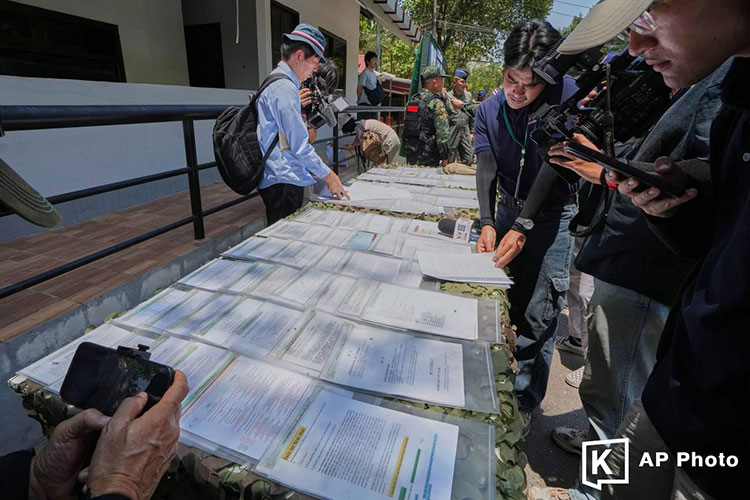
Online scams are a real challenge. But when they are deliberately repurposed as a political weapon, they cease to be about justice and become a tool of deception. The issue is no longer where scams occur—but why they are being used to distract from actions that cannot be justified under international law.
Roth Santepheap is a geopolitical analyst based in Phnom Penh. The views expressed are his own.
-Khmer Times-