PM orders probe into alleged petrol smuggling, reaffirms Cambodia has sufficient fuel supply
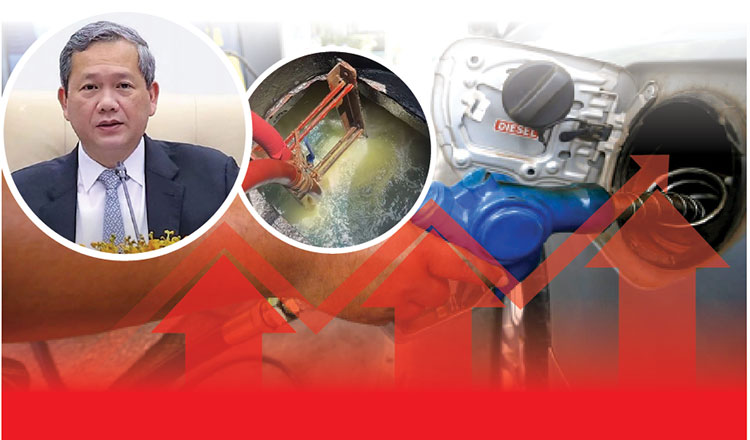 A one-minute leaked video has drawn significant public attention, prompting concerns about possible violations of Cambodia’s fuel import restrictions. Khmer Times
#Business
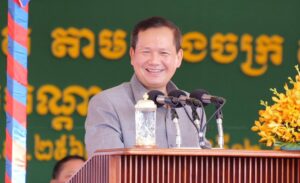
Prime Minister Hun Manet has ordered a comprehensive investigation into alleged petrol smuggling activities, while reaffirming that Cambodia maintains a stable and sufficient domestic fuel supply despite ongoing global energy uncertainties.
The directive was issued on Friday following the circulation of a one-minute leaked video that appears to show petrol being transferred from a Thai-flagged vessel to another ship with a Cambodian-speaking crew. The footage, which has drawn significant public attention, prompted concerns about possible violations of Cambodia’s fuel import restrictions.
In response, the Prime Minister tasked key officials with leading the probe, including Sar Thet, Commissioner General of the National Police; Keo Rottanak, Minister of Mines and Energy; and Kun Nhem, Director General of the General Department of Customs and Excise. He emphasised that the investigation must be thorough and transparent.
“I have seen Thai media outlets reporting on a case involving a network of illegal petrol smuggling from Thailand into Cambodia,” the Prime Minister stated. He warned that if the allegations are substantiated, all individuals involved—regardless of their status—will face strict legal consequences.
Mr Hun Manet further underscored that any fuel company found complicit in smuggling operations would have its licence revoked. Civil servants or members of the armed forces implicated in such activities would be dismissed and removed from their positions without exception.
The Prime Minister reiterated that Cambodia has suspended imports of petrol and liquefied petroleum gas from Thailand since June 2025, following tensions linked to the border dispute. He stressed that the Kingdom has since secured alternative energy sources and no longer depends on Thai fuel supplies. “There is no need to import petrol from Thailand,” he said.
Government officials maintain that Cambodia’s diversified energy procurement strategy has ensured stability in fuel availability, even as global markets remain volatile due to geopolitical tensions, particularly in the Middle East.
However, questions remain about the authenticity and implications of the leaked footage. Chea Chandara, President of the Logistics Supply Chain and Brokers Business Association (LOSCBA) in Cambodia, suggested the reports could be exaggerated or misleading. If proven true, he said, the operation would likely involve illicit cooperation between private actors from both Cambodia and Thailand seeking to profit from fluctuating fuel prices.
“Licensed companies would not engage in such acts,” Chandara noted while speaking to Khmer Times, citing the government’s strict suspension on fuel imports from Thailand. He added that Cambodia had already diversified its energy sources prior to the current global crisis, ensuring resilience in supply chains.
Meanwhile, socio-economic researcher Chey Tech highlighted the logistical realities of cross-border trade under current restrictions. With the land border between Cambodia and Thailand largely closed, maritime routes have become the primary channel for goods movement, making oversight of sea-based transport critical, he told Khmer Times.
Chey Tech also pointed out that the circulation of the footage has negatively affected Cambodia’s international image, particularly as the government has been actively promoting its energy independence. He noted that while strategic imports from Thailand remain suspended, other goods are still transported through alternative routes, including via Laos or maritime channels.
The situation has also sparked debate domestically over the consistency of trade policies. While many Cambodian citizens have boycotted Thai products, some officials continue to support imports under obligations tied to the World Trade Organization framework, raising questions about policy coherence.
Across the border, Thai authorities have also responded strongly. On April 2, Thai Prime Minister Anutin Charnvirakul condemned petrol smuggling activities, describing them as “despicable” when questioned by the media.
As of now, no suspects have been publicly identified by either Cambodian or Thai authorities, and no official update has been released about the progress of the investigation. The case continues to draw scrutiny as both governments face pressure to uphold transparency and enforce regulations amid heightened regional sensitivities over energy security.