Iran’s Winter of Blood: How a Regime Responded to Freedom With Mass Killing
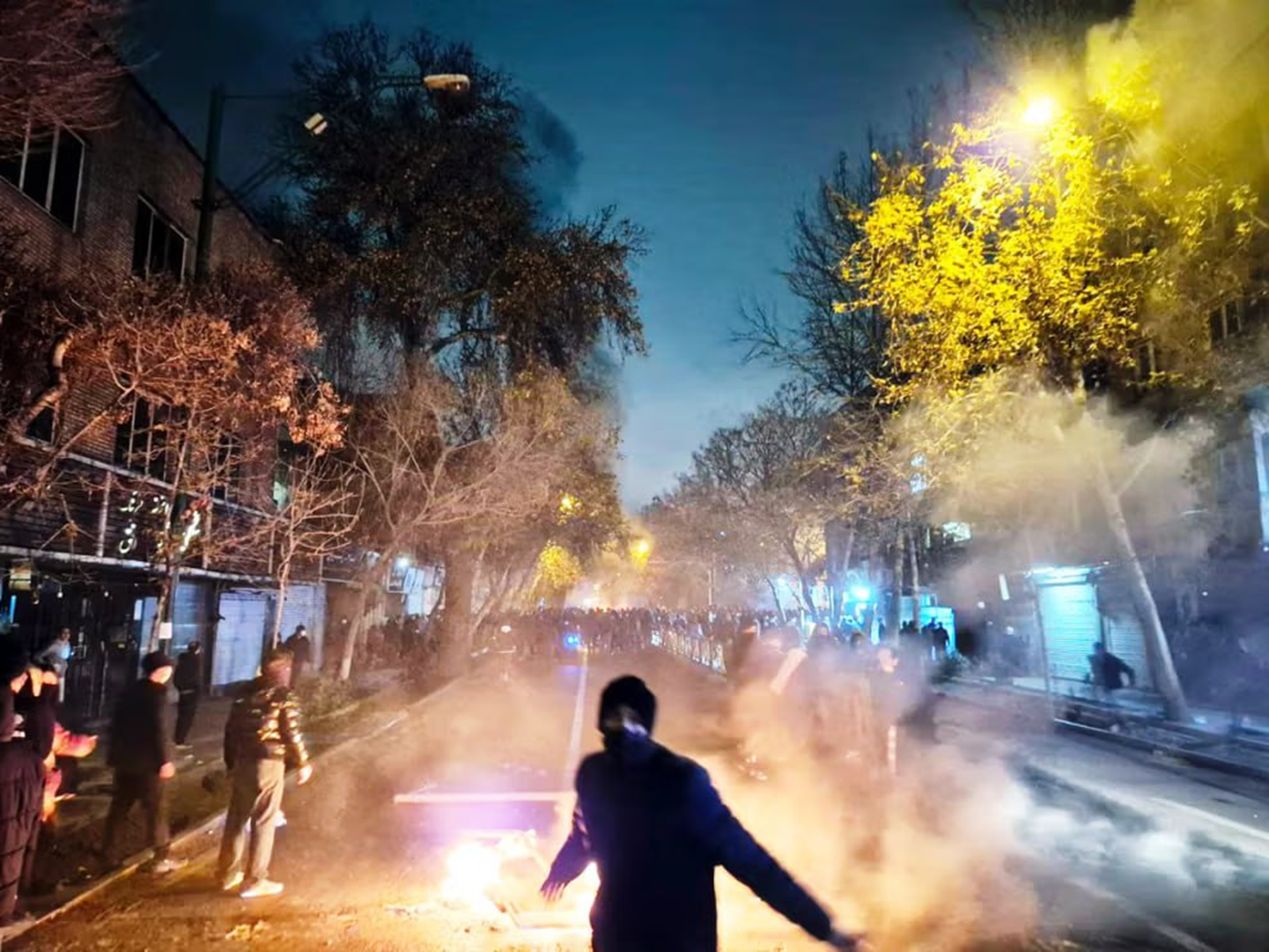 Iran's regime has unleashed one of the strongest crackdowns in its history against brave citizens demanding freedom, dignity and an end to decades of oppression. Supplied
#opinion
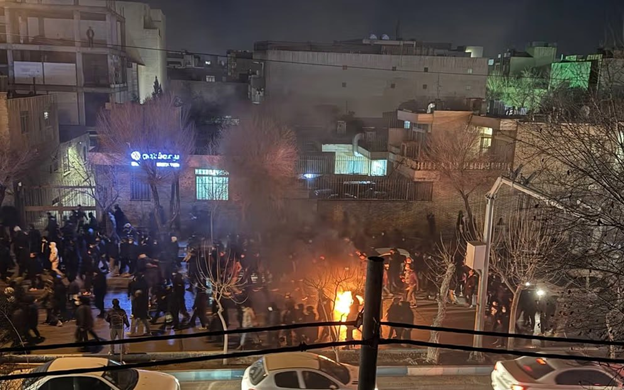
The Islamic Republic of Iran’s regime has unleashed one of the strongest crackdowns in its history against brave citizens demanding freedom, dignity and an end to decades of oppression. What began as protests in late December 2025 has exploded into a nationwide uprising.
The spark ignited on December 28, 2025, when merchants in Tehran’s Grand Bazaar shut down shops in fury over the rial’s catastrophic collapse amid runaway inflation and economic ruin. Protesters quickly shifted from economic grievances to revolutionary chants, calling for the fall of the Islamic Republic. Echoing the 2022 uprising after Mahsa Amini’s murder in custody for defying forced hijab laws, the movement has spread to all 31 provinces, uniting diverse groups against a regime rotten with corruption, women’s subjugation, ethnic discrimination and lavish spending on proxy wars while Iranians starve.
The Iranian security apparatus has responded with pure barbarism: indiscriminate live fire, shotgun blasts with metal pellets, mass executions in the streets and overflowing morgues.
Mai Sato, the UN special rapporteur on human rights in Iran, estimates civilian deaths may be in the thousands, based on doctor reports inside the country. Injuries are estimated to be in the hundreds of thousands, with ranges from 330,000–360,000 per doctor networks cited in reports, and many wounded avoiding hospitals due to arrest fears, likely inflating death counts.
Amnesty International documented unlawful killings from the outset, including at least 28 in early January alone from security forces’ firearms. The regime’s official tally — 3,117 deaths, mostly spun as “innocent” or security forces — admits massive bloodshed while undercounting protester deaths to protect its crumbling facade.
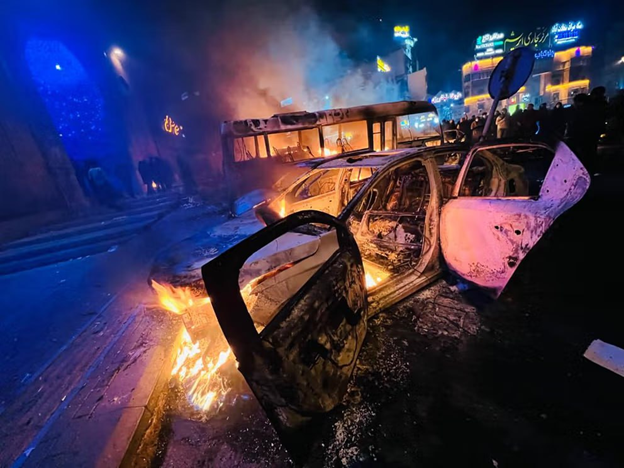
Arrests have skyrocketed to over 30,000 (with HRANA verifying over 26,500), with detainees facing torture, forced confessions and execution risks in a country leading the world in state hangings. A near-total internet blackout since early January has isolated families, destroyed livelihoods (costing millions hourly), and concealed mass graves and hospital raids where wounded were dragged away. Security forces, including the IRGC, have shot at close range, targeted children, and attacked hospitals — acts amounting to crimes against humanity, as condemned by Amnesty International and Human Rights Watch.
This is not mere repression; it is a desperate, blood-soaked effort by a failing theocracy to cling to power. Khamenei and his henchmen demonize protesters as “rioters” and “terrorists” while blaming the US and Israel for their failures. Yet the people persist, braving bullets for a future free from forced veils, economic ruin and clerical dictatorship. The regime’s unprecedented brutality has deepened national rage and grief, exposing the Islamic Republic as a murderous relic unfit to rule. International calls for accountability grow, but ultimate change lies with Iran’s courageous citizens who refuse to bow any longer.
Sambo Pa is a Cambodia-based global politic observer with strong interest in global politics and issues. The views and opinions expressed are his own.
-Phnom Penh Post-