Reflections on Peace in the Middle East: A Personal Perspective
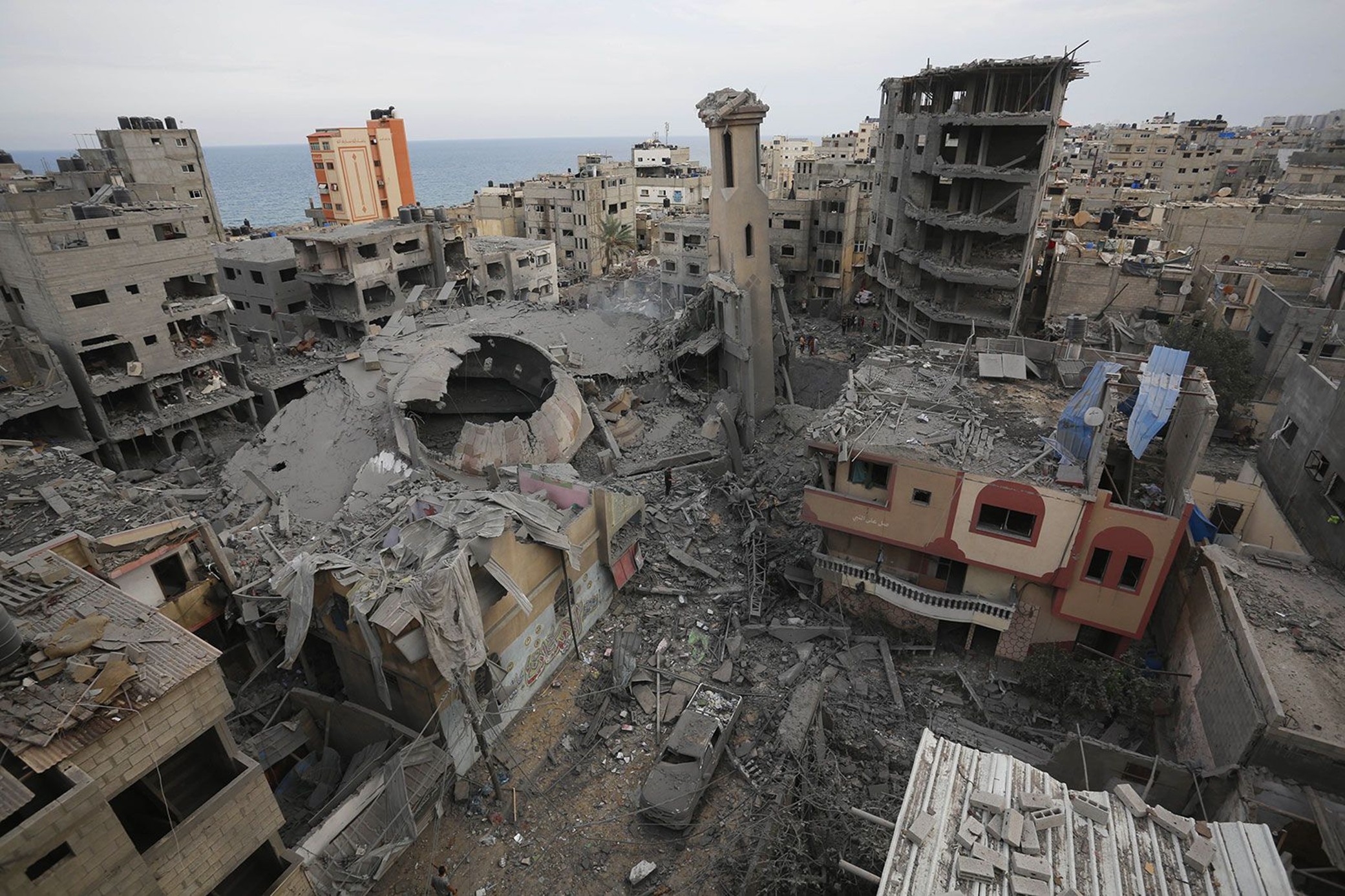 The al-Garbi Mosque was destroyed by Israeli airstrikes in western Gaza City, the Gaza Strip, in 2023. Getty Image via Britannica
#opinion
The ongoing conflict in the Middle East continues to inflict immense human suffering, instability and fear — not only upon the region itself, but also upon the wider world. As a concerned global citizen, I wish to share my personal reflections on how the flames of war might be extinguished and how a genuine path toward peace could begin.
First and foremost, the deepest roots of this conflict lie in long-standing hatred and mistrust, often fuelled by religious and ideological differences. When communities define one another primarily through these divisions, fear replaces understanding. Peace cannot be imposed by force; it must be built through sincere dialogue, mutual respect and a shared willingness to recognise each other’s right to live in dignity. Without addressing these emotional and ideological wounds, no ceasefire can ever become lasting peace.
Second, the Middle East will never achieve lasting stability if external powers continue to intervene in ways that inflame tensions. When major powers interfere — whether through military action, political manipulation or proxy conflicts — they often deepen divisions rather than resolve them. Pouring fuel onto an already burning fire only ensures that the conflict will spread and endure. True peace requires restraint and responsibility from outside actors, not provocation.
Third, ancient wisdom offers valuable guidance for modern conflicts. Confucian philosophy teaches that war cannot be truly won through violence alone. Military conquest may bring temporary dominance, but it can never win the hearts of the people. The most meaningful victory is a victory of the heart — achieved through moral leadership, goodwill and actions that genuinely improve the lives of ordinary people. When people feel respected and cared for, trust emerges and peace becomes possible.
Finally, the Buddha’s timeless teaching reminds us that hatred does not end through hatred; hatred ends only through compassion. Responding to violence with violence merely deepens wounds and prolongs suffering. Only compassion, patience and understanding can break the endless cycle of revenge.
In my personal view, peace in the Middle East will not come from weapons, domination or external pressure. It will come from understanding, non-interference, moral responsibility and compassion. These principles are not signs of weakness; they are the strongest foundations upon which lasting peace can be built.
Tesh Chanthorn is a Cambodian citizen who longs for peace. The views and opinions expressed are his own.
-Phnom Penh Post-