Editorial 1 What Is Environmental Sin?
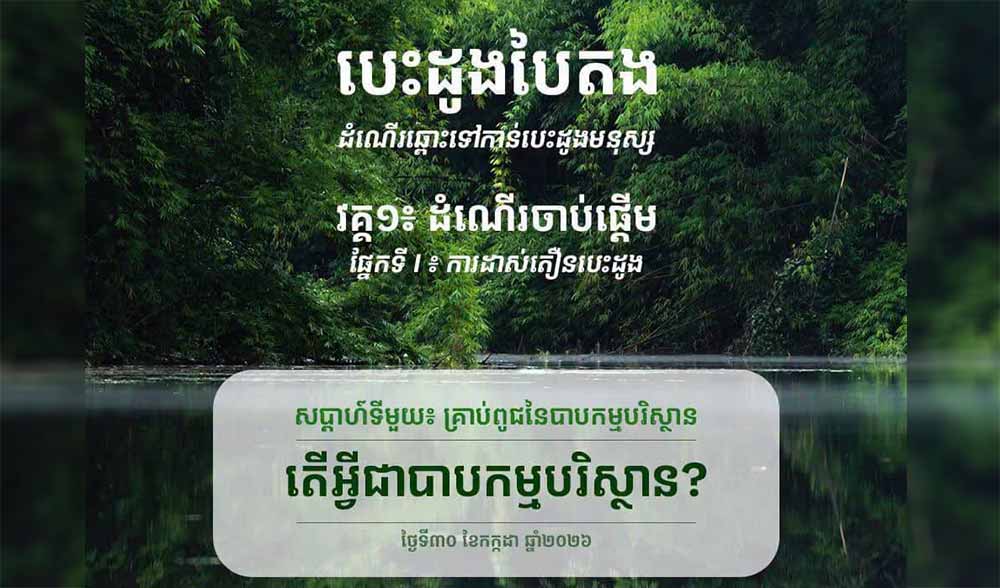 Editorial 1 What Is Environmental Sin?
Editorial 1
What Is Environmental Sin?
Opening Thought
“The first wound to nature appears in the heart before it appears on the Earth.”
Editorial
When people hear the word sin, they may imagine punishment, shame, or someone pointing a finger. That is not how we will use the word in this journey. Environmental sin means a thought, choice, or action that causes unnecessary harm to the natural world and to the living beings who depend on it. It is not a label placed on a person. It is a warning about a path.
Imagine a student finishing a drink and dropping the empty bottle beside the road. The bottle is small. The action takes only a second. Yet the choice says something: “This place is not my responsibility.” Rain may carry the bottle into a drain. The drain may carry it into a stream. An animal may mistake part of it for food. One careless moment can travel much farther than the person who caused it.
Environmental harm often begins quietly. It begins when we take more than we need, waste what others could use, destroy without understanding, or look away because a problem seems too distant. The outside damage may be easy to see—a polluted canal, smoke in the air, a bare hillside—but its first seed is often hidden within an attitude.
This is hopeful news. If harm begins with an inner choice, protection can begin there too. We do not have to wait until we are powerful, wealthy, or grown up. We can notice what is happening in our own minds. We can pause before throwing something away. We can ask whether we truly need what we are about to take. We can learn before we act.
The purpose of recognizing environmental sin is not to make us feel guilty. Guilt may cause us to hide, but understanding helps us grow. Every person has made careless choices. A green heart does not pretend to be perfect. It becomes willing to see, correct, and begin again.
Nature does not need our shame. It needs our attention. A river becomes cleaner through many caring actions. A school becomes greener when students begin treating it as a shared home. A person becomes a guardian not by never making a mistake, but by learning to choose with wisdom.
Today, let us begin without fear. We are not searching for bad people. We are learning to recognize harmful seeds before they grow. When awareness enters the heart, a better choice becomes possible—and every better choice is the beginning of healing.
Buddhist Reflection
Buddhist teaching reminds us that intention shapes action. A harmful act often grows from an unexamined state of mind, while a compassionate act grows from awareness. Mindfulness allows us to notice the seed before it becomes behavior. We can then choose a thought and action that reduce suffering for ourselves, other people, animals, and the Earth.
Today’s Reflection
What small action have I treated as unimportant even though it may affect the environment?
Today’s Action
Notice one piece of litter in a safe place, pick it up, and place it in the proper container. Let the action remind you that shared places belong to all of us.
Today’s Pledge
Today I will pause before I act and choose what brings less harm and more care.
When we protect nature, we protect all beings—including ourselves.