How My Trip to Cambodia Transformed My View on Education
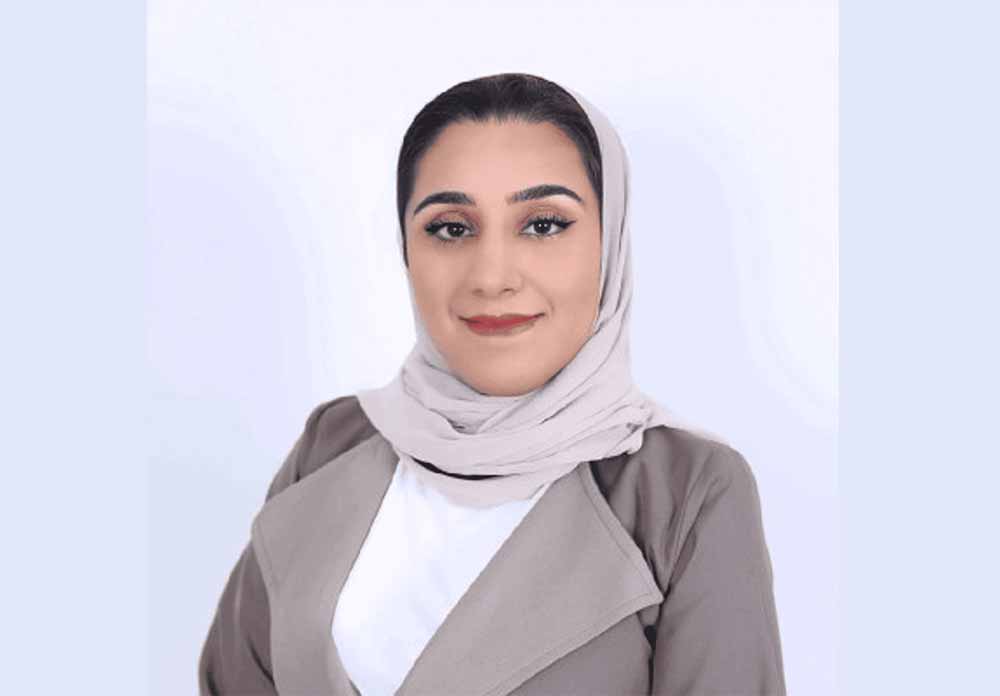 Hawra Al Nooh is a Bahraini academic who served as a volunteer teacher in Phnom Penh. Supplied
#Opinion
The memory of my arrival at Kombo Land School in Phnom Penh, Cambodia, still resonates strongly with me. As I prepared to engage in a volunteer experience, I encountered the eager eyes of children waiting for me, their anticipation quickly turning into warm smiles. This moment compelled me to reflect deeply on the true essence of education.
Choosing to be part of a community that lacks the resources I take for granted shifted my perspective. I realized that my involvement in supporting education could truly impact the learners in that community. What I witnessed transcended the traditional notions of schools and textbooks; it was about the people striving to improve their lives within their local environment.
As a teacher, this experience illuminated the importance of looking beyond the confines of the classroom. “Community education” — learning that occurs within and for the benefit of the community — became a focal point for me.
Imagine a village where individuals acquire modern agricultural skills to enhance their food production or learn how to establish small businesses. These skills can be transformative, marking a significant turning point in their lives. This is community education, which goes beyond mere certification; it addresses the genuine needs of individuals striving to improve their quality of life.
We urgently need to re-engineer education to empower communities to learn in ways that align with their real-life challenges. This type of learning fosters knowledge sharing and collaboration, ultimately leading to lasting change. When individuals gain essential skills, they can build brighter futures for themselves and their families.
My journey to Cambodia revealed to me, as an academic, that the existing education system is insufficient to address community issues.
We live in a time that prioritises impactful actions over theoretical discussions. I learned that small efforts can yield significant results, and that our educational designs should include opportunities for students to volunteer and support community programs.
Local challenges often hold the keys to effective solutions through practical, applied learning. It also became clear that supporting less privileged communities is a shared responsibility that can effect real change in humanity.
In just two weeks in an unfamiliar country, visiting various educational and community facilities reaffirmed my belief that community education is a powerful tool for fostering human success and community prosperity.
Despite the simplicity of Cambodia, the experience was rich with insights about how universities can tackle community problems. The relationship between educational institutions and the community must be integrative, and there is an urgent need for our curricula to be more inclusive, adopting what is known as integrated curricula.
It is our responsibility as educators to inspire students to develop innovative solutions to contemporary challenges, reinforcing the idea that education extends far beyond the classroom.
When community education becomes an integral part of the curriculum, it enhances students’ educational experiences and fosters a culture of participation and social responsibility.
Hawra Al Nooh is an academic and curriculum developer who specialises in teaching, learning, and digital transformation at Bahrain Polytechnic. The views and opinions expressed are her own.
-Phnom Penh Post-