Thailand’s Credibility Crisis: Law for Others, Exceptions for Itself
 Thailand’s Credibility Crisis: Law for Others, Exceptions for Itself
#opinion.
By any objective standard, no nation is above the law.
The international legal order was created precisely because history has repeatedly shown that power alone cannot determine rights. Borders cannot be redrawn by military force. Territory cannot be acquired through occupation. Cultural heritage cannot become a military target simply because it lies in a disputed area. These principles are not Cambodian principles. They are principles of international law accepted by every responsible member of the international community-including Thailand.
That is why an uncomfortable but necessary question deserves to be asked:
If Thailand considers itself a civilized nation committed to the rule of law, why does it appear unwilling to abide by the very legal principles it so often invokes?
A truly civilized nation does not measure its commitment to law only when the law supports its interests. It demonstrates that commitment precisely when the law requires restraint.
For decades, Thailand has portrayed itself as a defender of international norms and a responsible regional leader. Yet its conduct in relation to Cambodia raises serious questions about whether those principles are being applied consistently.
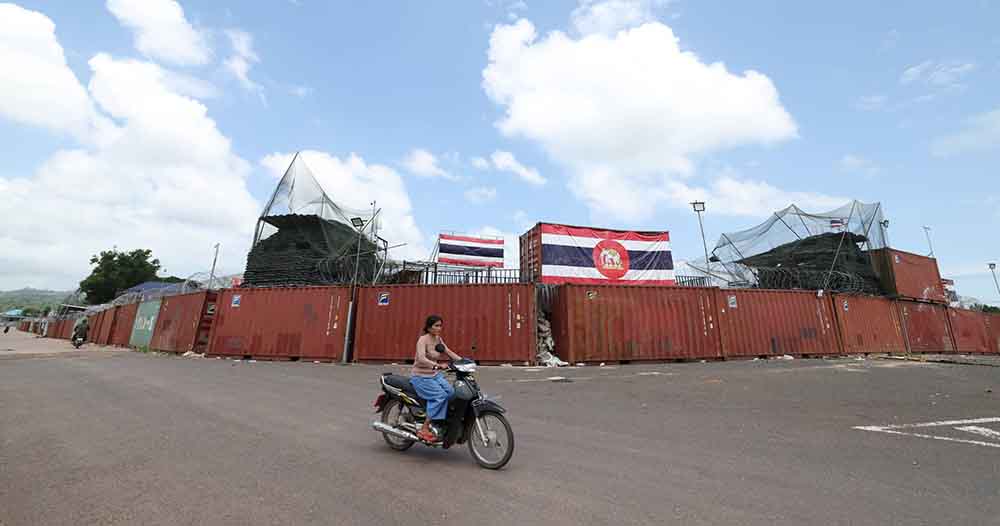
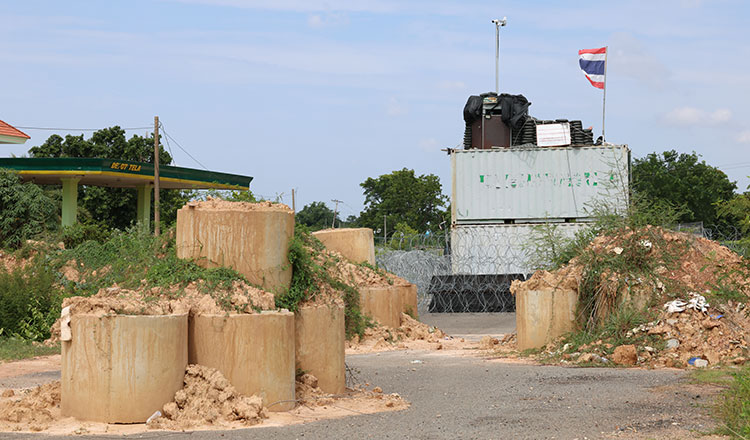
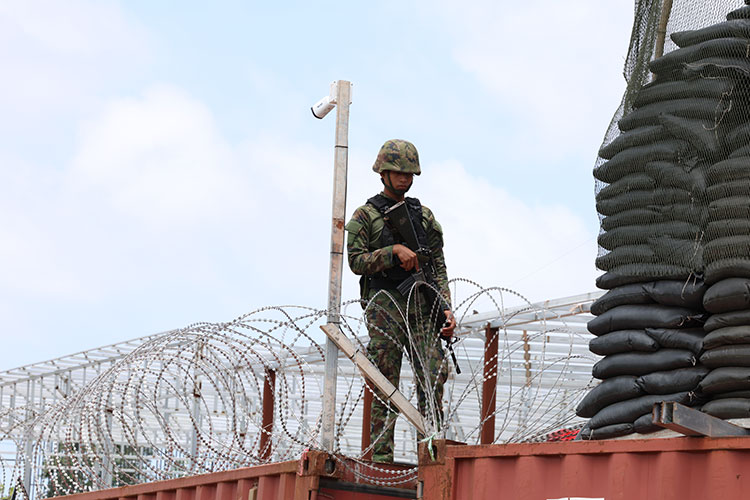
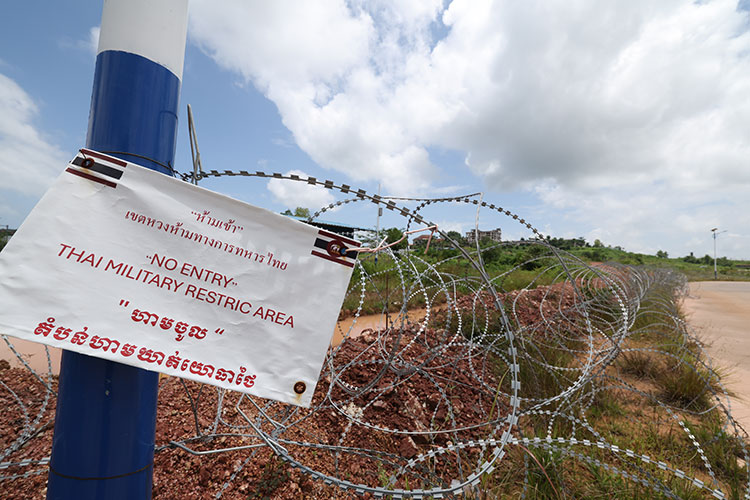
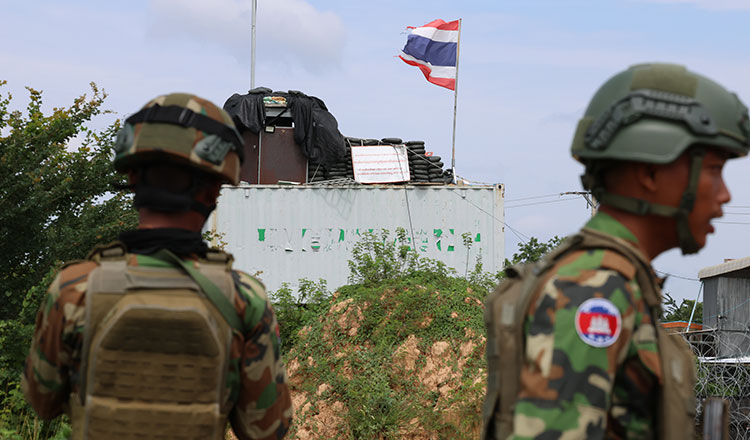
According to Cambodia, Thai military forces continue to illegally occupy areas of Cambodian territory following armed invasions in 2025. Since the ceasefire on 27 December 2025, reports have described continued military activities, including the installation of physical barriers, infrastructure and defensive positions in contested areas. These facts are accurate and raise an important legal question. International law does not recognise territorial acquisition through military occupation or the creation of fait accompli on the ground. The prohibition on acquiring territory by force is one of the clearest principles of the post-1945 international legal order.
No amount of barbed wire can change a treaty. No military container can alter an international boundary. No unilateral map can replace internationally recognised boundary instruments.
The law is equally clear regarding cultural heritage. The protection of monuments of outstanding historical value is not optional. It is a legal obligation. If military operations result in damage to protected heritage sites, responsibility cannot simply be avoided through political statements or allegations that later prove unsubstantiated. Such incidents deserve independent scrutiny because the destruction of cultural heritage diminishes the common heritage of humanity.
What is perhaps most striking is the contradiction between Thailand’s words and its actions.
Thai leaders frequently call for respect for international law. Yet respect for international law is demonstrated not through speeches but through conduct. A state cannot invoke legal principles in one forum while disregarding them in another. It cannot demand respect for sovereignty while simultaneously creating new realities through military deployment. Nor can it claim commitment to peaceful dispute settlement while allowing actions that risk prejudicing ongoing boundary issues.
Civilized nations are distinguished not by wealth, military strength or diplomatic influence. They are distinguished by accountability. When mistakes occur, civilized governments investigate them. When obligations exist, civilized governments honour them. When disputes arise, civilized governments submit them to law rather than attempting to strengthen their position through unilateral action.
This is not merely a bilateral issue between Cambodia and Thailand. It is a test of whether the international legal order means what it says.
If international law is to remain credible, it must apply equally to all states, regardless of their size, political influence or strategic importance. Selective compliance erodes confidence in the very rules that preserve international peace and stability.
Cambodia has consistently maintained that outstanding disputes should be resolved peacefully through agreed bilateral mechanisms and international law. That approach deserves reciprocity. Peace cannot rest upon military occupation. Stability cannot be built upon unilateral acts. Lasting solutions require respect for legal commitments, good faith negotiations and adherence to internationally recognised principles.
The world does not judge nations solely by what they proclaim. It judges them by whether they obey the law when doing so is difficult. That is the true measure of a civilized nation.
And that is the question Thailand must answer—not only to Cambodia, but to the international community and to history.
Roth Santepheap is a geopolitical analyst based in Phnom Penh. The views expressed are his own.