Truth Cannot Be Hidden: A Call for Moral Responsibility in Thai Conduct
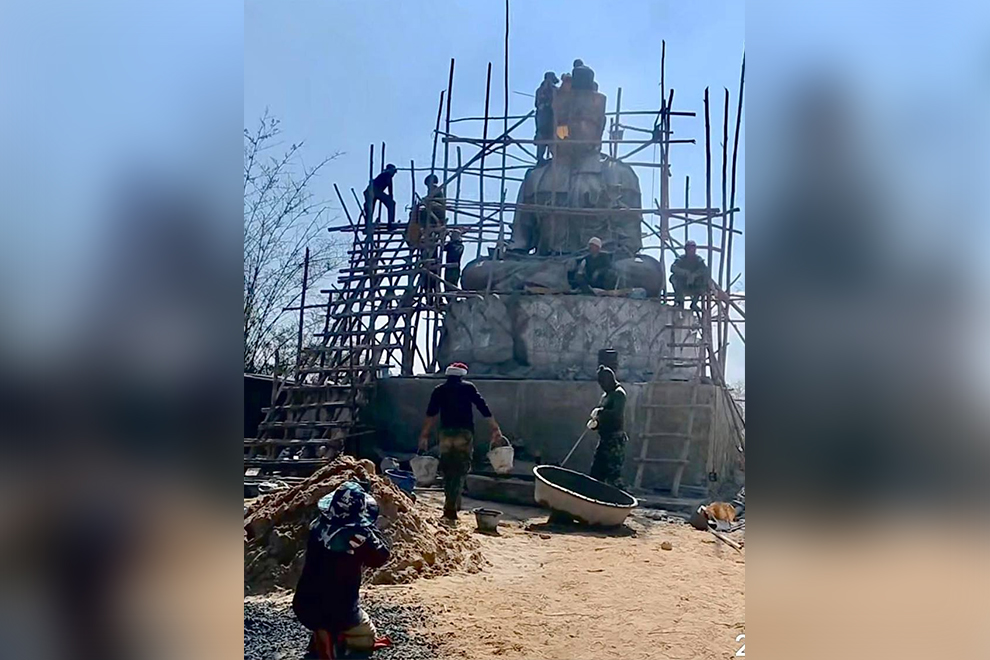 Thai workers construct an illegal Buddha statue on Cambodian land occupied by Thai forcers. Supplied
#Opinion
A truly civilised nation does not engage in deception, intimidation or mob-style narratives against its neighbours. Such conduct resembles lynch-law politics, not responsible statecraft, and erodes trust in the region.
Thailand presents itself to the world as a moral society rooted in Theravada Buddhism. With approximately 92–95 per cent of its population identifying as Buddhist, Thailand is often described as one of the most Buddhist nations on earth. The core teachings of Buddhism emphasize truthfulness, right speech, restraint and compassion — values that should guide both personal behaviour and national policy.
However, recent actions and public narratives promoted by certain Thai leaders, senior military figures and sections of the Thai media stand in direct contradiction to these principles.
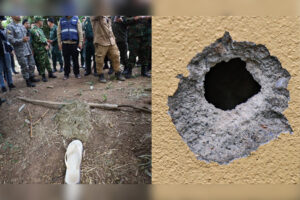
On February 2, Thai military intelligence reportedly led a delegation that included military attachés from around 20 countries to the O’Smach area — territory that lies within Cambodia. Some Thai media outlets went further, claiming that officials from the US Federal Bureau of Investigation (FBI) were present. Subsequent official information contradicted these reports, raising serious questions about misinformation being deliberately presented to both the Thai public and the international community.
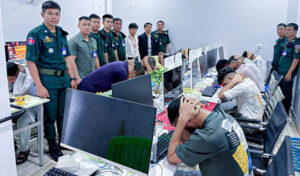
This pattern is troubling. Instead of addressing well-known internal problems — such as online scam operations, human trafficking, exploitation of foreign workers, mistreatment of tourists, and deep political and social divisions — some officials and commentators appear to redirect blame outward by constructing misleading narratives about a neighbouring country.
This tactic may serve short-term political interests, but it damages Thailand’s credibility in the long term. Nations are judged not only by their economic strength or military capability, but by their honesty and moral consistency. Repeated distortions weaken trust among ASEAN partners and undermine regional stability.
Buddhist teachings — and universal moral standards — are clear: false speech carries consequences. Lies may circulate briefly, but truth has a longer reach. When deception is exposed, reputations suffer, not only of individuals, but of institutions and nations as a whole.
If Thailand wishes to be respected as a civilised and moral leader in Southeast Asia, its leaders and media must align their actions and words with the values they publicly claim to uphold. Civilisation is not measured by propaganda or pressure, but by truth, accountability and respect for neighbours.
The truth does not need tricks to survive. It stands on its own.
Tesh Chanthorn is a Cambodian who longs for peace, The views and opinions expressed are his own.
-Phnom Penh Post-
———————-