O’Smach Isn’t a “Scam Hub” — It’s Sovereignty Under Fire
 O’Smach Isn’t a “Scam Hub” — It’s Sovereignty Under Fire
#opinion
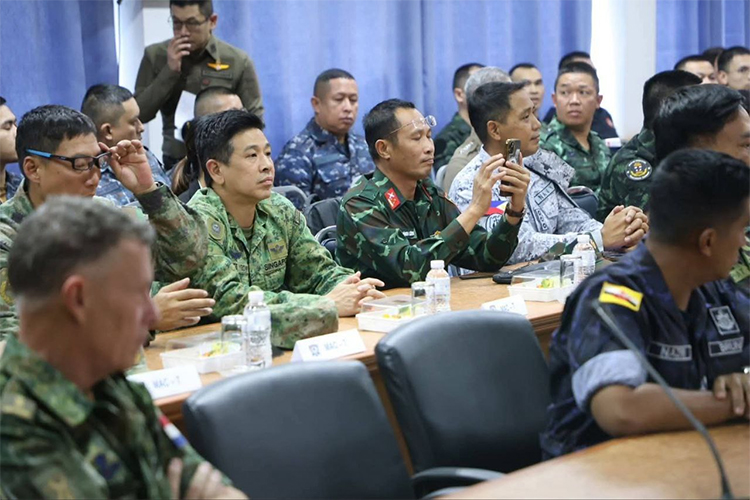
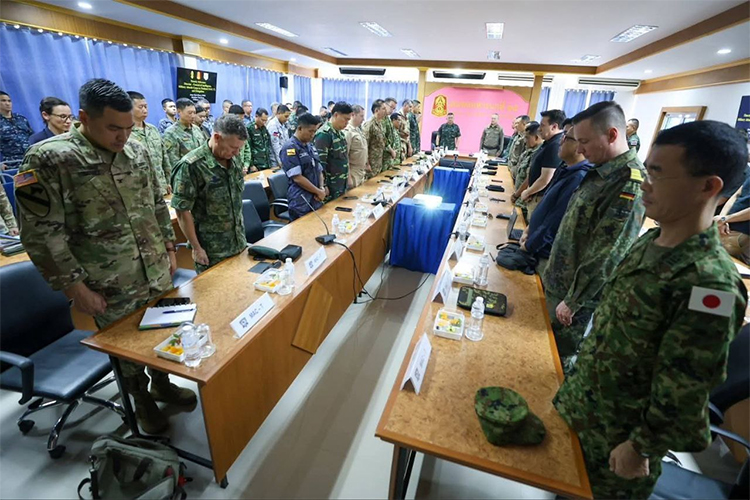
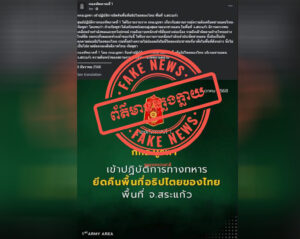
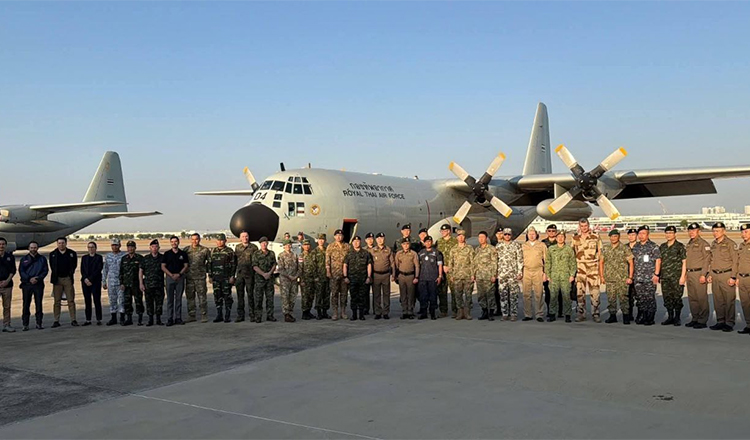
Thailand’s recent article in The Nation claims that its army intelligence chief led “FBI and foreign attachés” to inspect an alleged scam operation in O’Smach, Cambodia, portraying Cambodian territory as a criminal base and justifying Thai military presence. But this narrative doesn’t hold up to scrutiny — nor does it justify what Phnom Penh rightly condemns as incursions into Cambodian sovereign land.
First, let’s be clear on one point: the article conflates criminal enforcement with unauthorized military action. It asserts that foreign attachés and FBI officers accompanied Thai military figures to inspect supposed scam facilities “to monitor… anti-transnational crime operations” near the border.
This framing glosses over a critical fact: Thailand’s armed forces entered and continue to occupy territory that Cambodia asserts — and international maps largely confirm — lies inside Cambodian sovereignty. Phnom Penh’s Ministry of Foreign Affairs has lodged strong diplomatic protests, stating unequivocally that a Thai patrol led into Cambodian territory without consent is a violation of Cambodia’s sovereignty and territorial integrity.
Second, the article’s use of military personnel — including intelligence officers — to “inspect” alleged crimes is itself problematic. If there is credible evidence of transnational crime, it should be investigated through law enforcement cooperation between states, not by military incursions into another country’s land. Independent journalists and diplomatic observers should question why Thailand chose to lead the delegation across an international frontier without Cambodian agreement.
The presence of foreign attachés or FBI advisors does not legitimize the act of entering another state’s territory; it simply masks a military-led operation in diplomatic clothing. International support is not—in and of itself—a legal endorsement of Thailand’s border claims.
Third, Thailand’s story sidesteps the wider context: a ceasefire on 27 December 2025 was meant to halt hostilities and avoid provocative movements in dispute areas. Phnom Penh has repeatedly called for a peaceful resolution through ASEAN mechanisms and international law.
Instead, by converting this border flashpoint into a staged “inspection” of criminal operations, Thailand undermines the spirit of ceasefire agreements, damages trust, and invites escalation. If the objective is truly to combat fraud and human trafficking, the remedy is joint investigations and cooperation with Cambodia—not unilateral action.
Finally, the article’s narrative — suggesting that Cambodia is a hub of crime undermining regional security — is a distraction from a real diplomatic failure: the absence of genuine cooperation on border management and legal processes. Border disputes are sensitive and must be addressed through dialogue, not unilateral military promenades aimed at shaping international opinion.
The world should look beyond the headlines and ask: Does a field visit led by foreign military officials legitimize cross-border occupation? Does staging an inspection replace real judicial cooperation? The answer should be a firm no.
Sovereignty and international law matter more than media framing. Cambodia’s protest is not merely about words — it is about defending territorial integrity and insisting that disputes be resolved peacefully, transparently, and through recognised legal channels.
Roth Santepheap is a geopolitical analyst based in Phnom Penh. The views expressed are his own.
-Khmer Times-