Reviving the Enduring Bonds Between Cambodia and the United States
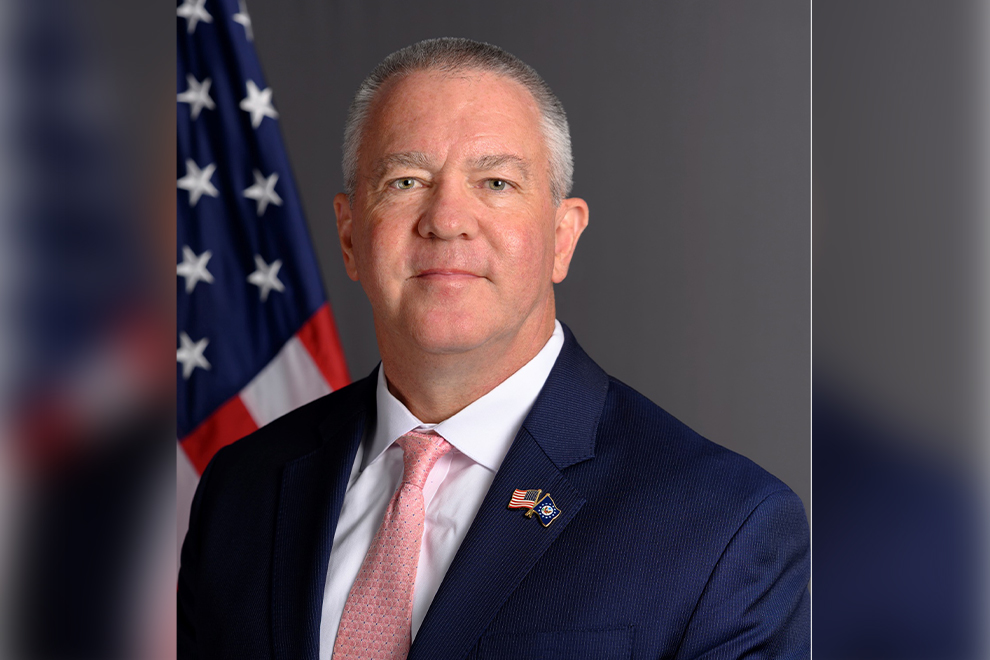 Michael George DeSombre, Assistant Secretary of State for East Asian and Pacific Affairs, United States Ambassador (ret). Supplied
#opinion
As Cambodia prepares to host Michael George DeSombre, US Assistant Secretary of State for East Asian and Pacific Affairs, on January 10, there is a palpable sense of opportunity in the air. This visit comes at a pivotal moment, not only to discuss the implementation of the Kuala Lumpur Peace Accords but also to reaffirm the deep-rooted partnership between our two nations.
In an era of global uncertainties, it is time for Cambodia and the US to return to the foundational principles of mutual respect, support and collaboration that have defined the relationship for over seven decades. By doing so, both countries can chart a path toward greater prosperity, stability and understanding.
Cambodia-US diplomatic ties trace back to July 11, 1950, when the United States and Cambodia formally established relations — one of the earliest such partnerships in Southeast Asia and among the first in the post-World War II world.
This early alliance was no accident; it reflected America’s recognition of Cambodia’s sovereignty and potential as an independent nation even before full independence from French colonial rule in 1953. Indeed, the US has consistently stood by Cambodia during its most critical moments, providing unwavering support when it was needed most.
The late King Norodom Sihanouk, the Father of Cambodian Independence, often acknowledged the pivotal role of the US and the American people in securing the nation’s freedom. In his appeals during the struggle for independence, he emphasised how American support was instrumental in breaking free from colonial chains, stating that Cambodia’s path to sovereignty was bolstered by the goodwill and backing of the US.
Without this alliance, Cambodia’s journey to self-determination might have been far more arduous. This historical gratitude underscores a truth: America has been a steadfast friend, not just in words, but in actions that have shaped the destiny of Cambodia.
A shining example of this support came during the landmark Preah Vihear Temple case at the International Court of Justice (ICJ) in 1962. When Thailand disputed Cambodia’s sovereignty over this ancient Khmer heritage site, it was an American lawyer, former US Secretary of State Dean Acheson, who represented Cambodia and helped secure a decisive victory. Cambodia also thanked French government and other international partners for their support to protect Cambodia’s sovereignty from Thailand’s invasion on legally sovereignty of Cambodia.
The ICJ ruled in favor of Cambodia, affirming our territorial integrity and preserving a vital piece of our cultural legacy. This intervention was not merely legal aid; it was a demonstration of America’s commitment to justice and fairness on the global stage, standing shoulder-to-shoulder with Cambodia against encroachment.
Today, as we reflect on these milestones, it is essential for both nations to revisit our starting points — the shared values of independence, sovereignty and mutual benefit that birthed our alliance. Cambodian and American leaders must prioritise direct, face-to-face dialogues to bridge any misunderstandings and foster deeper trust. In a world where proxy communications often lead to misinterpretations, personal engagements between our heads of state and key officials can pave the way for renewed cooperation. Assistant Secretary DeSombre’s visit is a perfect occasion to initiate such conversations, focusing on areas where our interests align rather than diverge.
Cambodia extends its heartfelt thanks to US President Donald Trump for his instrumental role in brokering the Kuala Lumpur Peace Accords in October 2025, which brought an end to escalating border tensions with Thailand.
This agreement, renewed in December 2025 amid renewed clashes, has restored hope for lasting peace in the region. Trump’s personal involvement, alongside Malaysian Prime Minister Anwar Ibrahim, highlights America’s dedication to resolving conflicts through diplomacy rather than force. Furthermore, we are profoundly grateful for the ongoing US support in education, military cooperation and economic development.
Cambodia has also specifically thanked the Chinese government for their effective support for the ceasefire between Cambodia and Thailand.
From USAID’s investments in health and education — totalling millions annually — to joint military training and demining efforts that have saved countless lives, these contributions have been lifelines for our people. In the economic sphere, American aid has bolstered our agriculture, governance and infrastructure, helping Cambodia emerge as a resilient developing nation.
Yet, to truly honour this legacy, the US should extend the most favourable tariff treatments to Cambodian exports. As a developing country still recovering from historical invasions — including those by Thailand — and facing economic challenges, Cambodia deserves preferential access to American markets. Such measures would not only boost our bilateral trade but also affirm America’s role as a champion of equitable global development, ensuring that smaller nations like ours can thrive without undue burdens.
In conclusion, DeSombre’s visit is more than a diplomatic formality; it is a chance to reignite the flame of friendship that has illuminated Cambodia’s path for generations. By embracing direct leader-to-leader talks and building on our shared history, we can overcome past frictions and forge a future of prosperity and peace. Cambodia stands ready to welcome you, Mr. DeSombre, with open arms and a shared vision for a stronger alliance. Let us seize this moment to ensure that the US-Cambodia partnership endures as a beacon of hope for the region and the world.
Dr. Seun Sam is a policy analyst at the Royal Academy of Cambodia. The views and opinions expressed are his own.
-The Phnom Penh Post-