Breaking Locks, Breaking Laws: The Thai Army’s Moral Collapse in Cambodia
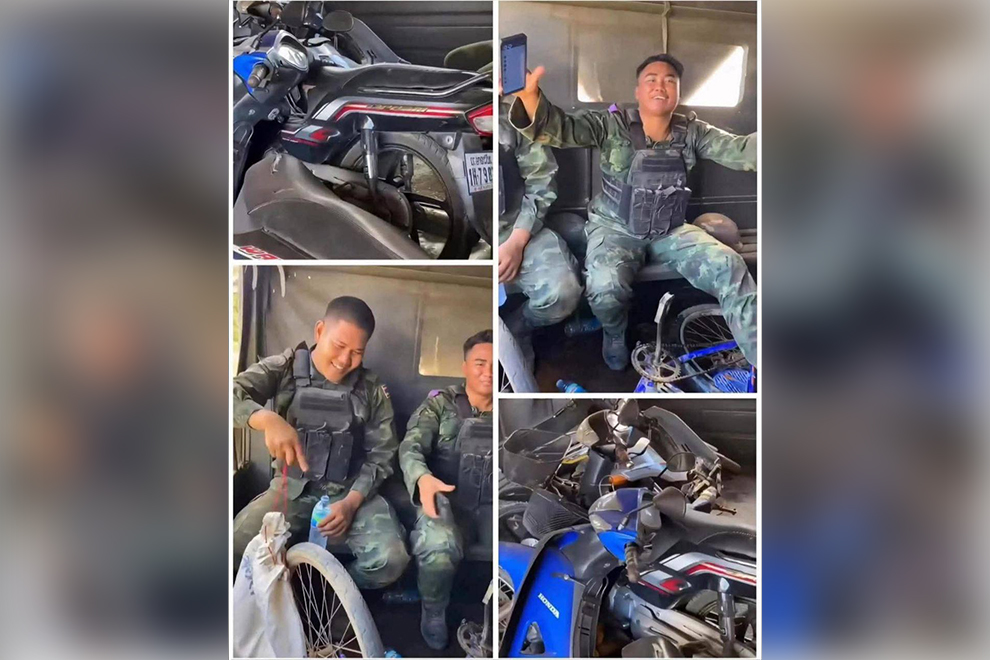 In Pursat Province, Thai armed forces cut locks and forcibly entered civilian homes in Sangkum Thmei Village, subsequently confiscating valuable property from 8 houses, including 4 motorcycles and 2 village garbage carts. Ministry of Interior
#opinion
An army’s discipline is measured not by its press releases, but by how it treats civilians. In Pursat, Banteay Meanchey, and Oddar Meanchey provinces, the conduct of Thai armed forces has laid bare a troubling truth: this is no longer the behaviour of a professional military, but of a force operating without moral restraint and becoming robbers.
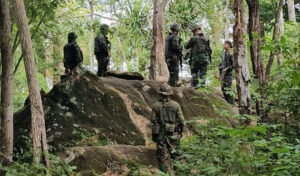
Reports from the ground describe Thai soldiers cutting locks, forcibly entering civilian homes, and confiscating valuable personal property belonging to Cambodian families. These were not battlefields. They were not military facilities. They were private homes—protected under international law and basic principles of humanity.
This is not security. This is intimidation.
Thailand denies invading Cambodian territory. Yet invasion is defined by actions, not slogans. When foreign troops cross into another country, occupy civilian areas, and exercise control over private property, sovereignty has already been violated. An army that decides which doors to break and which belongings to seize is not maintaining order—it is imposing power.
Even more disturbing is what this reveals about discipline within the Thai military. Professional armies operate under strict rules of engagement. They do not loot. They do not seize civilian property. They do not treat homes as operational assets. Such acts point to either direct orders, tacit approval, or a complete breakdown of command. None are acceptable.
Thailand cannot dismiss these incidents as isolated. The same patterns have been reported across multiple provinces. This suggests not misconduct by a few individuals, but a systemic failure to control troops once they cross the border. An army that cannot restrain its soldiers cannot claim professionalism.
Under the Geneva Conventions, civilian property must be protected at all times. These violations reportedly occurred during and after ceasefire periods, when protections for civilians should be strongest. A ceasefire is meant to reduce suffering, not provide cover for abuse.
What message does this send to the world? That borders can be ignored. That civilian rights are optional. That military force, not law, determines ownership and authority. This is not the behaviour of a responsible state—it is the logic of occupation.
Cambodia’s accusations are not political theatre. They are grounded in lived reality. Homes were entered. Locks were cut. Property was taken. No denial can erase these facts.
If Thailand’s military truly respects international law, it must explain why its soldiers acted as looters rather than peacekeepers. Silence and denial only deepen suspicion and damage credibility.
The question facing the international community is simple: If Thai forces are not invading, why are they breaking into Cambodian homes?
Until accountability, restitution, and restraint are demonstrated, claims of discipline and legality remain empty. Cambodia’s civilians deserve protection, not predation. And the world should not avert its eyes when an army abandons its moral compass.
Roth Santepheap is a geopolitical analyst based in Phnom Penh. The views expressed are his own.
-The Phnom Penh post-