Unity: The Foundation of Cambodia’s Strength and Progress
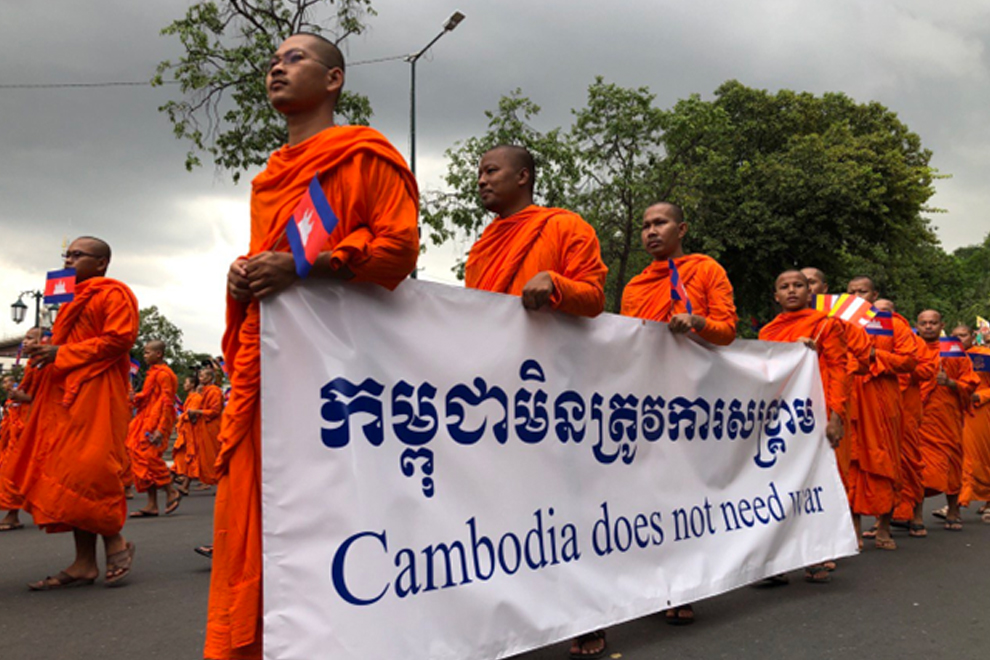 Buddhist monks march in Phnom Penh on August 10. They called for peace and for all sides to respect the ceasefire. Niem Chheng
History, culture and tenacity abound in Cambodia. One thing is evident throughout Cambodia’s lengthy and complicated history, from the splendours of the Angkor Empire to facing the challenges of more recent decades: unity is what makes the country strong. A peaceful and prosperous future for the nation may be built on this unity — among its many peoples, localities and generations.
Amidst the Covid-19 pandemic and a difficult international political landscape characterised by increased trade protectionism and economic uncertainty, Cambodia has faced numerous serious obstacles in recent years. These challenges have been made worse by the return of great-power competition and a changing security environment. The precarious status of world peace and stability is further highlighted by the continuous conflicts that continue to cause significant material and human costs in areas like the Middle East and Europe.
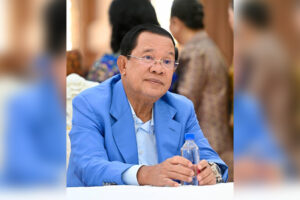
Despite the aforementioned difficulties, Cambodia has persisted in moving forward with rigor, clarity, hope and a strong sense of national unity under the direction of Hun Sen, president of the Senate and Chairman of the Supreme Privy Council, and under the leadership of Hun Manet, Prime Minister of the Kingdom of Cambodia.
As an ASEAN member and a country dedicated to peace, Cambodia respects international law and continuously looks for peaceful ways to resolve disputes with other nations. Cambodia accepts that difficulties occasionally occur in bilateral exchanges, notably with certain bordering nations like Thailand, despite its continued commitment to promoting positive relations. In order to improve regional harmony, Cambodia continues to place a strong emphasis on collaboration and understanding.
Since May 28, Thailand’s actions along Cambodia’s northern border provinces have caused major security concerns and raised significant questions about regional stability and territorial boundaries. The complexity of the two neighbouring countries’ relationship is highlighted by these circumstances, which emphasise the necessity of ongoing communication, collaboration and nonviolent means of resolving disagreements.
In order to guarantee regional security and prosperity over the long run, Cambodia is steadfast in its commitment to upholding peace, respect for one another, and constructive engagement.
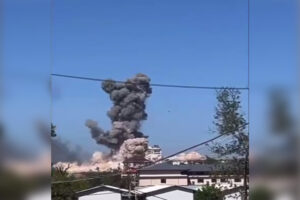
The border clashes which took place between Cambodia and Thailand from July 24 to 28 brought to light persistent difficulties in their relationship. Serious questions were raised by these occurrences about territorial integrity and sovereignty, as well as the general peace, security and stability of Southeast Asia and the surrounding area. To settle disputes amicably and advance long-term regional harmony, both nations must participate in positive communication and cooperative initiatives.
Cambodia has continuously placed a high priority on diplomacy, moderation and respect for international law in response to border issues.
On June 4, Cambodia made the decision to refer the four sensitive regions of Ta Mone Thom, Ta Mone Touch and Ta Krabey temples, as well as the Mombei area, to the International Court of Justice (ICJ) in an effort to show its commitment to a peaceful resolution. This action demonstrates Cambodia’s desire for a just and rule-based method of settling the unresolved disputes between the two nations.
Cambodia doesn’t go to the ICJ knowing it will get what it wants from the international court. Because bilateral mechanisms established by the two countries have not yielded satisfactory breakthroughs, Cambodia believes that an unbiased, third-party adjudication mechanism like the ICJ offers a viable way to peacefully resolve the long-standing territorial disputes Cambodia has had with Thailand.
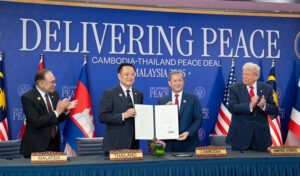
In addition to the ICJ, Cambodia has continuously looked to Malaysia, the ASEAN chair for 2025, for third-party mediation. With the unwavering support of the US and the active involvement of China, Malaysia assisted in mediating a ceasefire agreement on July 28, in Putrajaya. Since the ceasefire went into effect, regional commentators and analysts have argued that the truce supports or reaffirms ASEAN’s prominence and legitimacy as a regional organising force capable of mediating intraregional conflicts.
It is crucial to acknowledge that Cambodia’s dedication to pursuing a peaceful resolution — which reflects its longstanding preference for communication and collaboration — had an impact on the ceasefire. Cambodia’s strategy for resolving the border dispute is based on a deep-seated belief in peace and harmony among its people, not on weakness or fear. Cambodia is committed to defending its own sovereignty and territory by appropriate and measured means, even as it respects the territorial integrity and sovereignty of all other countries.
The people of Cambodia have demonstrated resiliency and unity as a nation during this difficult period. In response to the external threat from Thailand, Cambodians from all walks of life have united and donated their time and resources to help the internally displaced people living along the border.
Concerns about divergent narratives between the two nations have been actively addressed by Cambodian netizens in the digital sphere. In the hopes that more accurate and fair information will be disseminated to Thai nationals and audiences abroad, they aim to offer their viewpoint and promote a better comprehension of the circumstances.
The streets of Phnom Penh are crowded with patriotic Cambodians marching and expressing their collective support for Prime Minister Hun Manet’s management of the border through international law, peaceful negotiations and restraint, while the streets of Bangkok are crowded with demonstrators calling for the resignation of their embattled prime minister.
Despite internal issues in neighbouring nations, Cambodians are steadfast in their dedication to peace and stability. One of the main reasons for Cambodia’s resilience and strength is its strong sense of unity. It displays a shared commitment to equity and peace, a recognition of both the past and the future, and gratitude for the tremendous advancements the country has made in recent decades. In the face of regional complexity, the Cambodian people remain united and uphold their shared obligation to assist those who strive to protect the nation. Above all, this solidarity represents a strong conviction that challenges can be overcome via cooperation and understanding.
In Cambodia, unity is ingrained in daily life and is not just a question of politics or governance. Strong family bonds, tight-knit communities and a long-standing cultural legacy that unites its citizens are characteristics of Cambodian society. These social ties foster a feeling of community and common identity, offering stability that outlasts transient difficulties.
The resilience and strength of Cambodia are based on this unity. Cambodia can more effectively promote its interests, draw in civil partnerships and gain access to international funding for sustainable development by putting up a united front.
Let our unity lead the way to enduring peace, prosperity and progress for the nation we all adore.
Dr. Alfredo Panizales is an associate professor and foreign policy analyst. The views and opinions expressed are his own.