Opinion: Bombs Over Peace: Thailand’s War Crimes Against Cambodia’s Civilians
 Opinion: Bombs Over Peace: Thailand’s War Crimes Against Cambodia’s Civilians
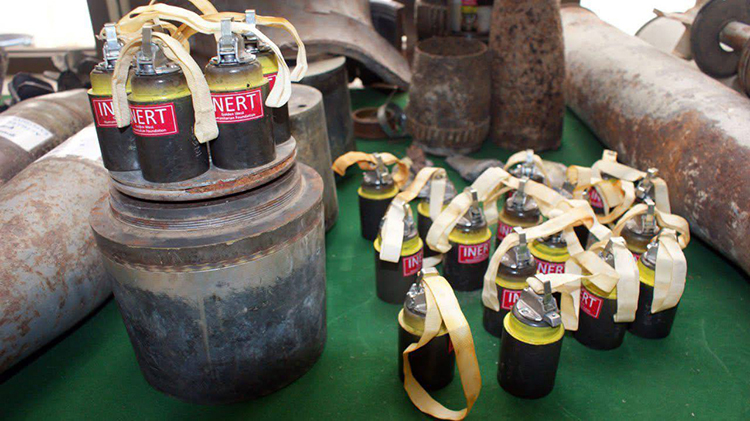
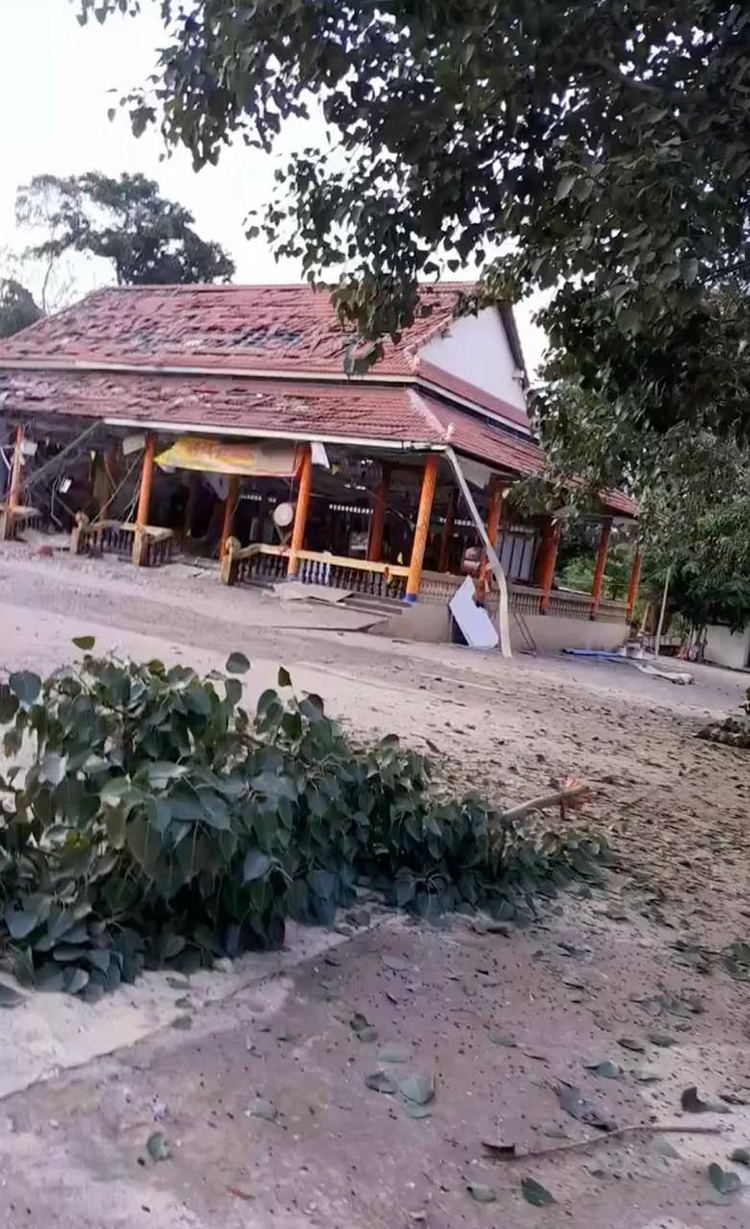
Khmer Times | In the early hours of July 24, 2025, the Royal Thai Armed Forces unleashed a brutal and premeditated military assault against Cambodia, violating our sovereignty and the fundamental principles of international law. But this was not a clash of soldiers on a contested border—this was a deliberate campaign of terror from the skies. F-16 fighter jets dropped bombs on civilian areas inside Cambodia. Even more shocking, cluster munitions—internationally condemned for their indiscriminate nature—were used against schools, health centers, and villages where innocent lives were destroyed in an instant.
This was not a mistake. This was a message from Thailand: war over peace, aggression over dialogue.
Civilians Under Attack
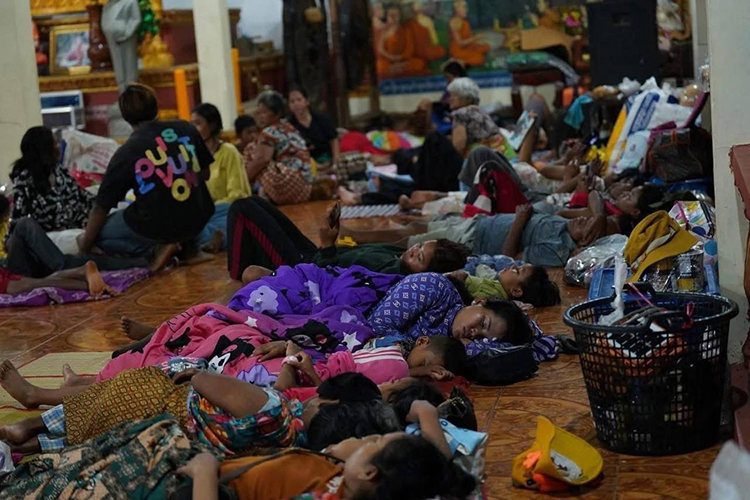
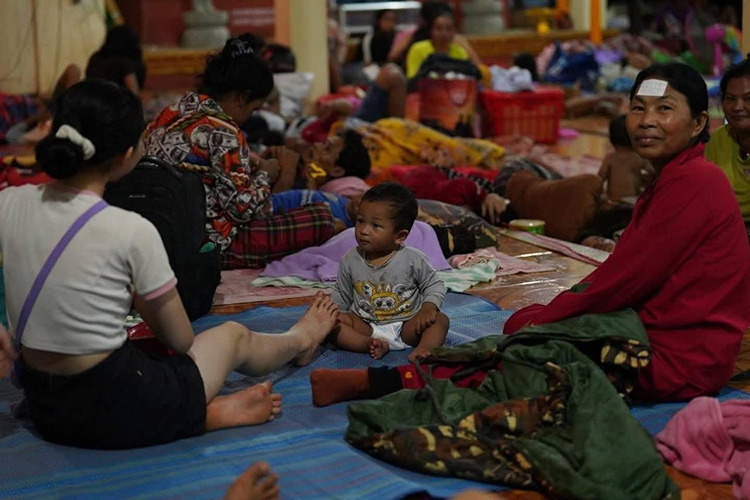
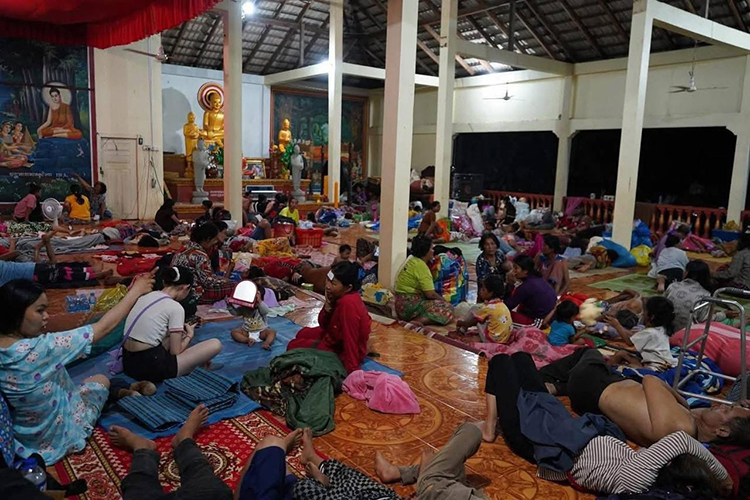
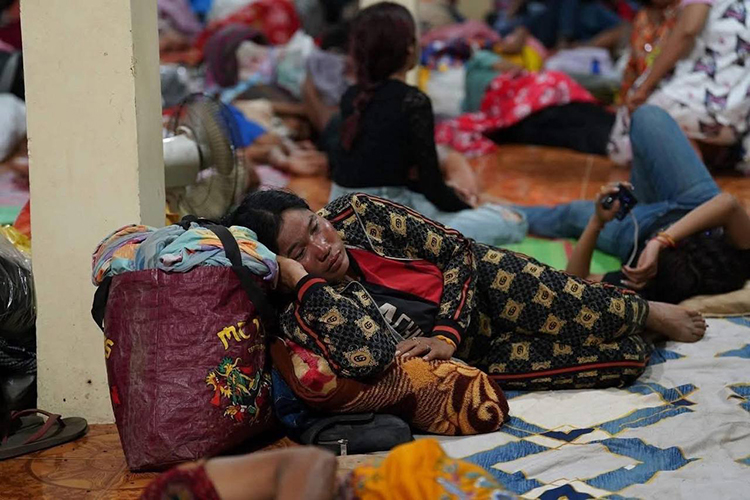
In Techo Thammachiet village and the surrounding areas in Oddar Meanchey Province, ordinary Cambodian citizens—farmers, children, teachers, monks—woke to the horror of explosions raining down from the sky. The bombs struck a community health post, leveling a facility meant to serve the sick and wounded. A local primary school was reduced to rubble. Homes were shattered. Families torn apart. These were not military targets. These were deliberate strikes on civilian life, carried out with cold calculation and impunity.
Cluster munitions, banned under the 2008 Convention on Cluster Munitions by over 120 countries, are notorious for failing to detonate on impact, leaving behind a deadly legacy for decades to come. Thailand’s use of such weapons on Cambodian soil is not just a military crime—it is a moral one. It is a violation of international humanitarian law, a grave breach of the Geneva Conventions, and a direct assault on the dignity of the Cambodian people.
Thailand Loves War, Rejects Peace
Cambodia, a nation scarred by war, has chosen the path of peace, dialogue, and cooperation. We know too well the cost of conflict. Under the leadership of Prime Minister Samdech Thipadei Hun Manet, Cambodia has consistently prioritized peaceful resolution, multilateralism, and adherence to international law. But Thailand—through its military arrogance and expansionist mindset—has chosen instead the language of bombs.
This is not the first time Thai leaders and generals have acted with impunity. From border provocations to false narratives about “defending sovereignty,” Thailand has repeatedly tried to distort the truth while escalating tensions. The Thai military’s attack on Cambodian territory is not an accident—it is an extension of a deeper national doctrine: to intimidate neighbors, provoke instability, and defy peace.
Statements from Thai officials, including from commanders of Army Region 2, reveal a disturbing trend of glorifying war and undermining diplomacy. They frame Cambodia’s self-defense as aggression while refusing to acknowledge the reality of their own unprovoked assaults. Their airstrikes are not defensive—they are colonial.
Cambodia’s Rightful Self-Defense
Faced with these crimes, Cambodia exercised its legitimate right to self-defense under Article 51 of the UN Charter. The Royal Cambodian Armed Forces responded to protect our people—not to escalate, but to survive. Our response is rooted not in hatred, but in justice.
Thailand must be held accountable. The international community must not look away. Warplanes targeting schools and health centers cannot be justified. Cluster bombs dropped on civilian villages must never be normalized. These are war crimes, and they demand international condemnation and action.
The time for neutrality is over. Thailand’s actions are a test for the international system. Will the world reward aggression and silence the victims? Or will it stand with Cambodia and uphold the principles of peace and justice?
Cambodia does not seek war. But we will never surrender our sovereignty. We call on all nations, international institutions, and human rights organizations to denounce Thailand’s barbaric assault on civilians and to act in defense of international law.
The blood of our people has been spilled—not on a battlefield, but in their homes, schools, and clinics. And the world must remember: peace dies when bombs fall on children.
Roth Santepheap is a geopolitical analyst based in Phnom Penh. The views expressed are his own.