
Editorial 93 – Clean Water Is Shared Dignity
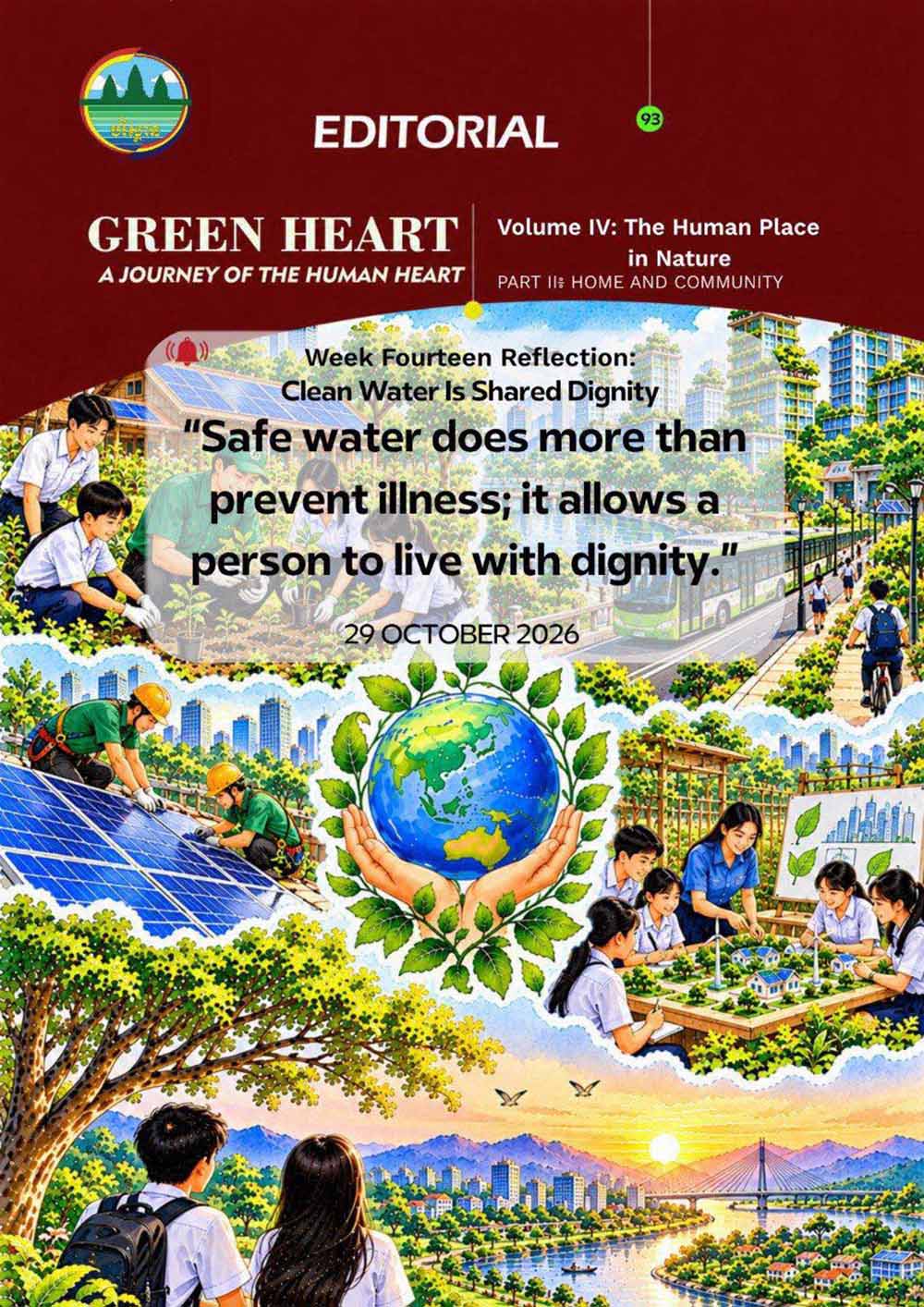 Editorial 93 – Clean Water Is Shared Dignity
Opening Thought
“Safe water does more than prevent illness; it allows a person to live with dignity.”
Editorial
Water is needed for drinking, cooking, bathing, cleaning, sanitation, schools, healthcare, work, and culture. When safe water is unreliable, nearly every part of life becomes harder.
Clean water access includes more than a source. Water must be available in sufficient quantity, close enough to reach, affordable, safe, acceptable, and reliable. A protected well that runs dry or a pipe supplying contaminated water does not meet the full need.
Women, girls, people with disabilities, older adults, and remote households may experience water access differently. A source considered nearby on a map may be difficult or unsafe to reach.
Quality protection begins in watersheds and groundwater recharge areas. Treatment may include filtration, disinfection, sediment removal, or more advanced processes depending on contamination. Safe distribution and household storage must continue the protection.
Testing matters because clear water can contain invisible hazards. Results should be communicated honestly and in language people understand. Communities need to know what action to take, not merely receive a technical number.
Affordability requires balance. Water systems need funding for operation, workers, energy, treatment, repair, and monitoring. At the same time, essential household needs should not become unreachable for people with low incomes.
Community participation improves design. Residents know seasonal shortages, broken points, flooding, local customs, and who may be excluded. Engineers and health experts add technical knowledge. Strong systems join both.
Students should never attempt to treat unsafe water without guidance. Boiling, filters, chemicals, and storage methods each have requirements and limitations. Follow official health advice.
Water dignity also means privacy and respect. People need safe places to wash, manage menstruation, care for children, and meet sanitation needs without fear or shame.
When we protect water access, we protect time for education, strength for work, health for families, and equality within communities.
A glass of clean water is simple in the hand but represents a great social promise: your life matters enough to protect.
Protecting that promise requires accountability. Residents need safe ways to report failure, operators need resources to respond, and authorities need transparent standards. Trust grows when a problem is acknowledged quickly and the repair can be followed to completion.
Schools can teach where reports should go, especially when taste, smell, color, pressure, or illness raises concern. Students should report rather than attempt their own diagnosis or treatment.
Buddhist Reflection
Compassion responds to basic need without making the receiver feel small. Providing safe water respectfully is generosity joined with dignity, fairness, and long-term responsibility.
Today’s Reflection
What condition besides water quality determines whether access is truly dignified?
Today’s Action
Ask how accessibility, reliability, or affordability affects one local water source. Record one possible improvement.
Today’s Pledge
Today I will treat safe water as a shared foundation of health, opportunity, and dignity.
When we protect nature, we protect all beings—including ourselves.