A Customs Declaration is Not a Distribution Model; Why Reliable Support Networks Matter
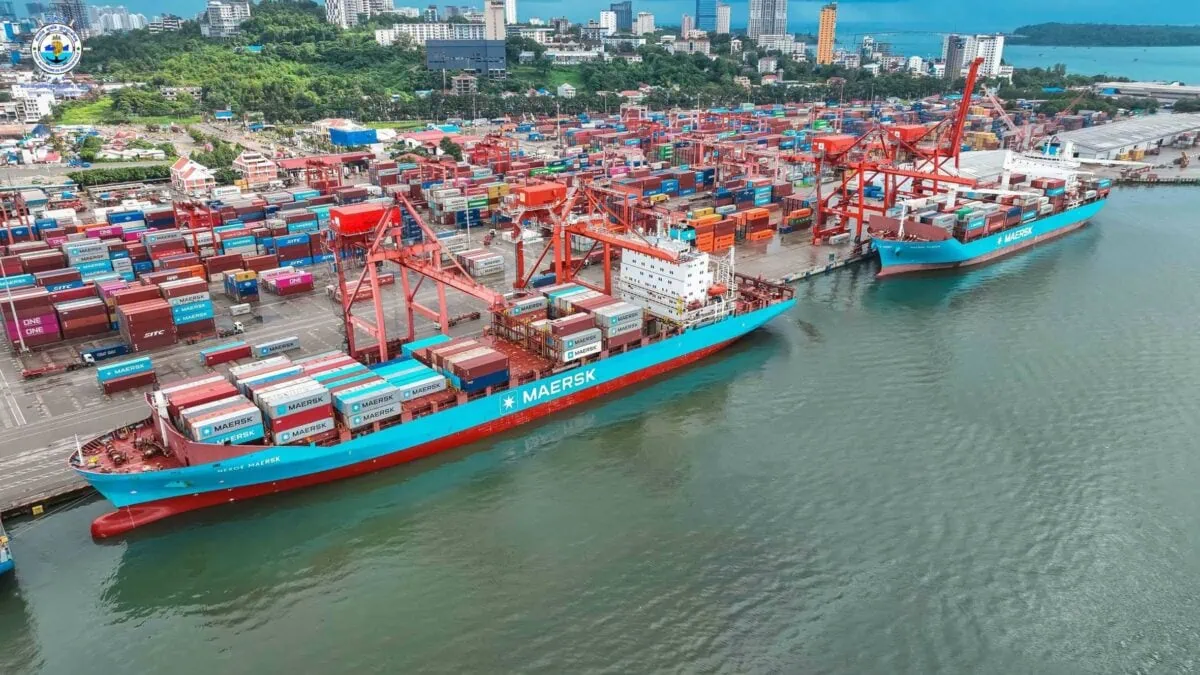 Container vessels moored alongside the dock at Sihanoukville Autonomous Port. PAS
#Opinion
For many import businesses, the most stressful moment comes before the goods arrive: negotiating the factory price, arranging freight, finding the right tariff classification and getting a shipment through clearance. Once the container is released, the job can feel finished. For a carton trader, perhaps it is. For a distributor trying to build a durable business in Cambodia, it is only the first day of work.
That distinction matters more as trade becomes more formal. Cambodia’s customs rules require businesses involved in commercial imports to keep accurate records, including electronic records, and to retain them at their business premises for ten years. The official customs handbook also makes a plain point: imported goods must comply with Cambodian industrial, quality and safety standards. Those are not merely border formalities. They are the beginning of an operating record that a serious supplier, retailer and customer will eventually ask to see.
Yet too many consumer-goods import decisions still end at the declaration. A shipment of kettles, fans, beauty devices or small appliances clears. The cartons are split among wholesalers. The stock moves quickly if the price is right.
Then the first unit fails, a customer asks what the Khmer instructions mean, or a shop needs a replacement part. At that point there is often no model file, no named technician, no agreed warranty owner and no simple answer about where the product should go. The importer may have completed a transaction, but no one has built a distribution system.
This is why the difference between importing products and representing brands is becoming commercially important. The former is a purchasing activity. The latter is a local promise.
A brand representative does not merely bring goods into Cambodia; that representative can say which exact model is being sold, what documentation is attached to it, how the customer will receive help, who pays for a valid repair and how the next batch will correct recurring faults.
That promise has value because a brand in another country cannot perform it from a factory gate.
The practical starting point is not a grand exclusive agreement. It is an operating file for one product line. Before the first commercial order, an importer should be able to match each model number with its invoice, test material, manuals, label artwork and after-sales terms.
If a product is sold through several channels, the same model name and warranty language should follow it into each one. This sounds administrative, but it prevents a familiar problem: a customer buys what appears to be the same item from a shop, a marketplace seller or a provincial dealer, only to discover that each seller gives a different answer when service is needed.
The second step is to decide who owns the customer after the sale. A warranty is not a sticker on a box. It needs a stated period, an exclusions policy, a return route and a person who can make a decision. For a new distributor, that does not mean opening a nationwide service network on day one. It can mean choosing a realistic launch area, appointing a repair partner, holding a small parts kit and publishing a single contact path in Khmer and English. What matters is that the promise is capable of being kept.
Third, importers should treat service data as purchasing data. If the same plug, battery, switch or packaging defect appears again and again, that is not a customer-service nuisance to be handled at the counter. It is evidence for the next factory order.
A distributor who can show a supplier a short record of failures, replacements and repair turnaround has a much stronger position than one who can only ask for a lower price. The conversation changes from discount to improvement.
There is a direct margin case for doing this. When five traders bring in the same anonymous product, price is almost the only thing a buyer can compare. When one distributor has a clear model identity, understandable information, spare parts and a credible route for help, the comparison changes. Retailers have fewer arguments at the counter. Customers have less reason to abandon the brand after the first fault. The distributor has a reason to defend price because the product comes with a service commitment that a copycat carton cannot easily imitate.
This is also how a Cambodian importer becomes more useful to export-ready Chinese brands. Better brands are not looking only for someone who can pay for a container. They need a partner who can protect product information, follow local quality and safety requirements, make a warranty real and report what customers experience after launch. Those capabilities are not glamorous, but they are difficult to replace. They are what turn a buyer into a representative.
Cambodia’s border procedures are increasingly digital and traceable. The next opportunity for import businesses is to make their own distribution equally traceable: model by model, promise by promise, repair by repair. Clearance gets a product into the market. Accountability is what lets it stay there.
Yinghang Wu is the founder of ChinaBrandPath (https://chinabrandpath.com/), which helps global importers, distributors, retail buyers and regional agents discover and evaluate export-ready Chinese brands for local-market distribution, agency and long-term cooperation. The views and opinions expressed are his own.
-Phnom Penh Post-