Energy minister lays out UNCLOS hopes: Shared energy for whole region
 Energy minister lays out UNCLOS hopes: Shared energy for whole region
#National
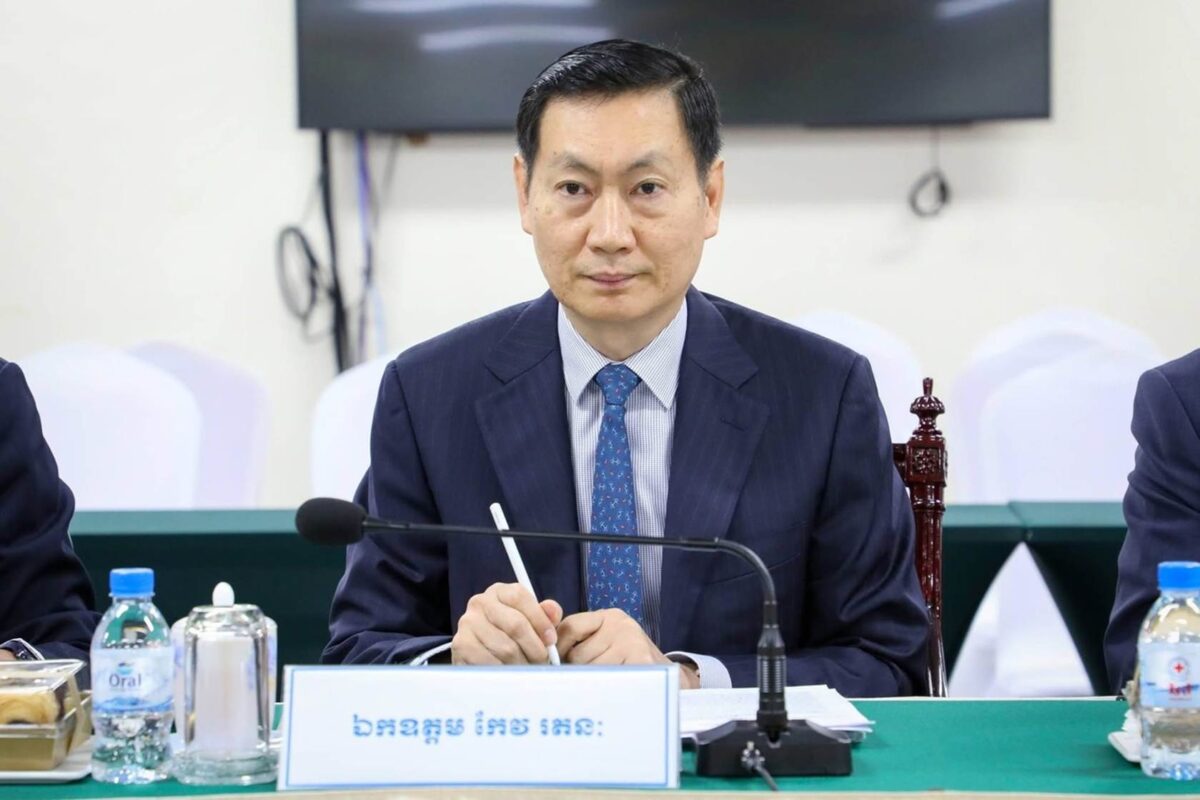
Cambodia expects the UN Convention on the Law of the Sea (UNCLOS) to resolve maritime boundary differences in a legitimate and peaceful manner and believes it will unlock resource potential in the area, said Keo Rottanak, Cambodian Minister for Mines and Energy.
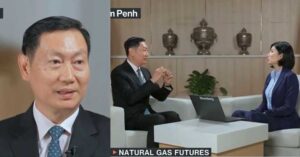
In an interview with CNBC, Rottanak explained that in 2001, Cambodia and Thailand signed a memorandum of understanding to allow both nations to jointly unlock the substantial petroleum resources located in the Overlapping Claims Area (OCA). Under the 2001 MOU, the parties agreed to negotiate a joint development treaty and a maritime boundary over different parts of the OCA.
Unfortunately, on May 5, The Thai cabinet officially cancelled the agreement, forcing Cambodia to opt for UNCLOS.
Rottanak noted that although Thailand walked away from the MOU, Cambodia still believes in dialogue and resolving differences peacefully under international law.
“That’s why we are considering the compulsory conciliation under the UNCLOS to resolve the maritime boundary differences in a legitimate and peaceful manner. It will also help to unlock the resource potential in this area so that we can not only share between the two countries and the two people, but also share it with the ASEAN region, especially in this time of energy disruption,” Rottanak said.
He also highlighted Cambodia’s move away from fossil fuels to a clean energy path, as well as how the region could deal with the energy price shocks arising from the current Middle East conflict.
“Not long ago, the country depended almost 100% on coal, diesel and heavy fuel oil. Today, more than 63% of electricity generation is from renewable sources, making it one of the best in the region. Within the renewable share, solar energy represents almost 40%, with about 30% already integrated into the generation mix,” he said.
He noted that Cambodia is learning lessons from other countries that have walked before them, with the target is to have at least 70 per cent clean energy by 2030. He expressed high confidence in reaching these goals, which is why Cambodia has been working hard with Singapore and other like-minded partners in ASEAN to ensure that the region collectively further decarbonises and achieves net zero by 2050.
He said Cambodia is highly supportive of the ASEAN power grid and expected that it will become a reality, noting that ASEAN leaders at a recent summit made the grid a priority for decarbonisation.
ASEAN leaders expressed concern about current oil disruptions, the largest in modern history. Consequently, they are designing ways for the 11 member countries to work together on fuel arrangements to avoid the impact of oil market shocks.
Rottanak said the shocks are another reason why Cambodia is interested in resolving the OCA between Cambodia and Thailand.
“That is one of the reasons why Cambodia is interested in resolving the overlapping claims. We could unlock serious energy potential that could really give benefit to the tune of about $300 billion to be shared between Thailand and Cambodia, and also with ASEAN, at a time when it needs them most,” he said.
-Phnom Penh Post-