When Flags Defy Law: A Question of Moral Responsibility and Respect for International Order
 When Flags Defy Law: A Question of Moral Responsibility and Respect for International Order
#opnion
The true test of a nation’s character is not how loudly it proclaims patriotism, but how faithfully it respects the rules that govern civilized coexistence. Recent actions witnessed at Thmar Da commune in Cambodia’s Pursat province raise serious moral questions—not only about a military provocation, but about the deeper issue of respect for international law and the norms that bind responsible members of the global community.
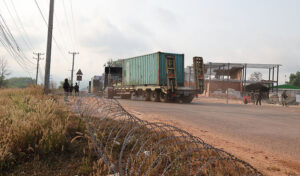
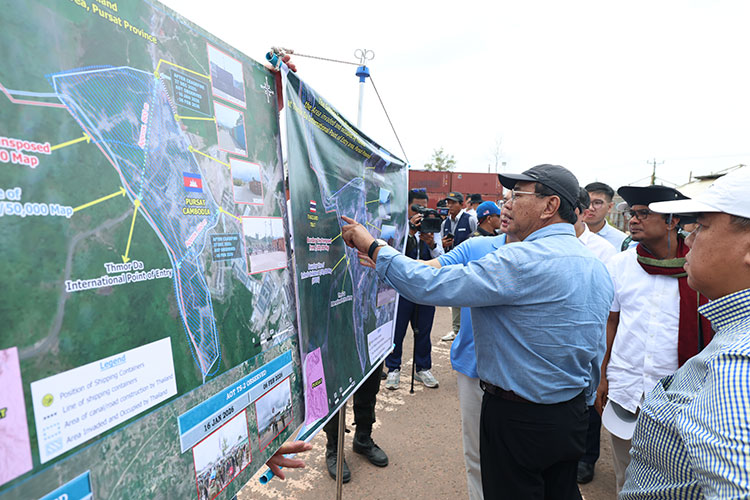
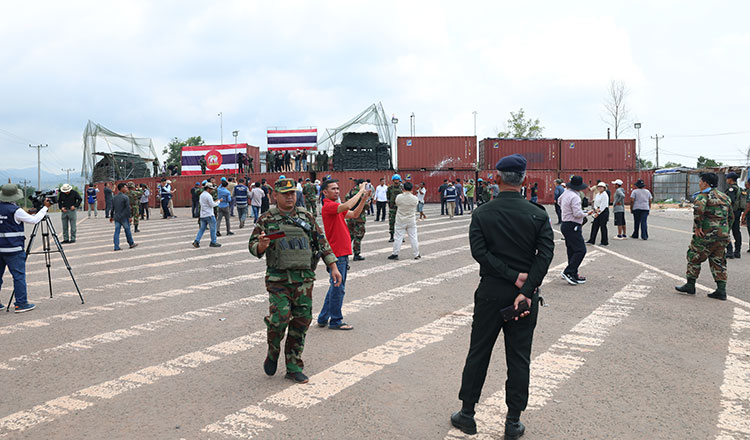
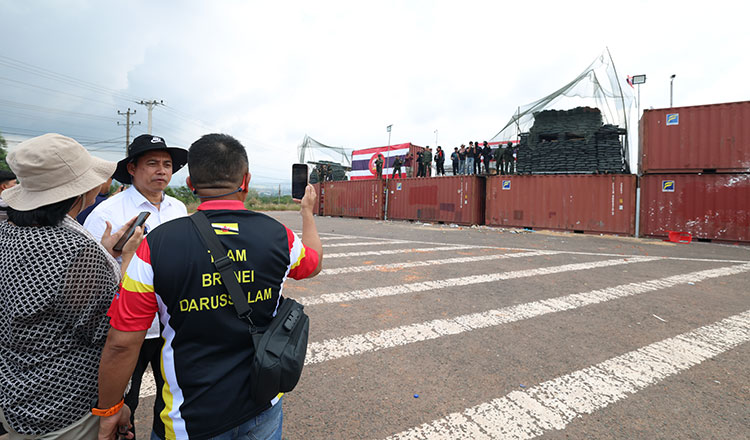
In full view of foreign diplomats and representatives of the international community, Thai soldiers installed shipping containers and barbed wire inside Cambodian territory and proceeded to raise the Thai national flag on land that does not belong to them. This was not merely a symbolic act. It was a calculated gesture of defiance — not only toward Cambodia’s sovereignty, but toward the very principles of international law that Thailand itself claims to respect.
The presence of diplomats makes this incident particularly troubling. When such acts occur under international observation, they cease to be simple border incidents and instead become demonstrations of attitude. The question therefore becomes unavoidable: what moral message is being sent when military forces knowingly stage such actions in front of the world?
Nations committed to peace demonstrate restraint. Nations committed to stability respect established mechanisms for dispute resolution. Nations committed to law do not attempt to create facts on the ground through theatrical displays of force.
Cambodia has consistently chosen the path of patience and legality. It has relied on bilateral mechanisms, international agreements, and peaceful diplomacy to address border questions. This reflects not weakness, but maturity. Restraint is often the clearest sign of moral strength.
By contrast, staging provocative acts such as planting national symbols on disputed or foreign territory reflects a dangerous mindset: one that confuses nationalism with intimidation and patriotism with provocation.
True patriotism does not require disrespecting others. True strength does not require humiliating neighbors. True honor does not require violating international norms. What the world witnessed in Thmar Da was therefore not simply a border incident. It was a moral contrast.
On one side stands a country choosing calm, law, and diplomacy. On the other stands behavior that risks normalizing confrontation over cooperation.
This is not a question of nationality. Many Thai citizens, academics, and voices of reason understand the importance of international law and peaceful coexistence. The issue instead lies with a dangerous strain of ultranationalist thinking that believes power can replace principles and spectacle can replace legality.
History has repeatedly shown where such thinking leads: instability, mistrust, and unnecessary conflict.
The international community must always remember that respect for borders is not just about geography. It is about respecting the system that prevents chaos. If countries begin to treat borders as stages for political theater rather than legal realities, then the entire framework of peaceful international relations becomes weaker.
Cambodia’s response should continue to reflect its moral high ground: firmness without aggression, legality without theatrics, and dignity without provocation. Because in the end, the strongest nations are not those that raise flags on чуж land, but those that raise standards of conduct.
Respect is the foundation of peace. Law is the foundation of order. Morality is the foundation of legitimacy. And no flag raised in violation of these principles can ever claim true honor.
Roth Santepheap is a geopolitical analyst based in Phnom Penh. The views expressed are his own.
-Khmer Times-