Bendigo Kangan Institute Commits to Contributing to Skilled Workforce Development in Cambodia
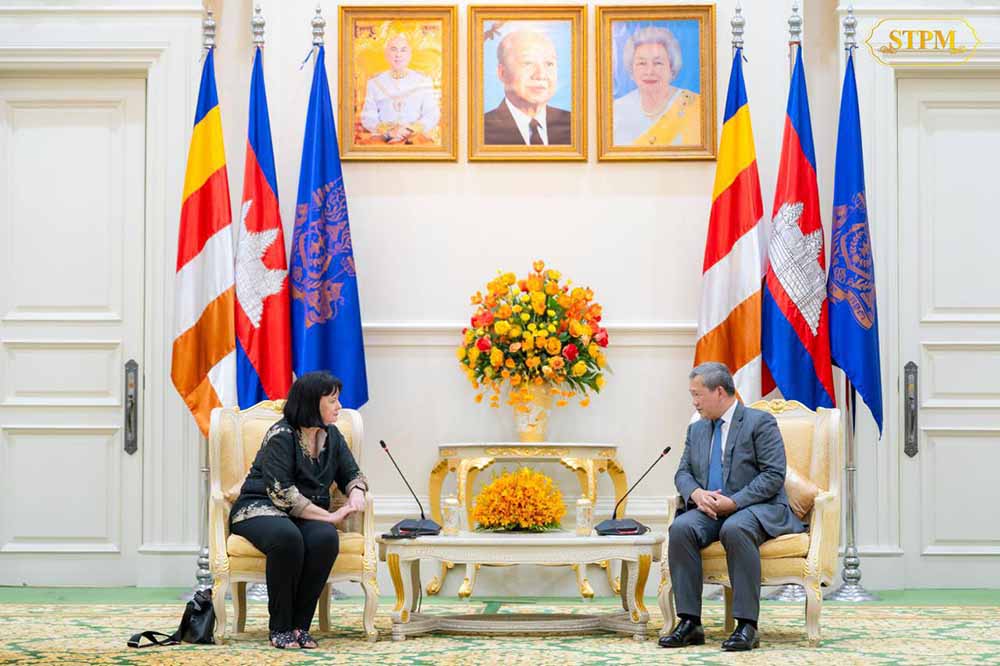 Bendigo Kangan Institute Commits to Contributing to Skilled Workforce Development in Cambodia
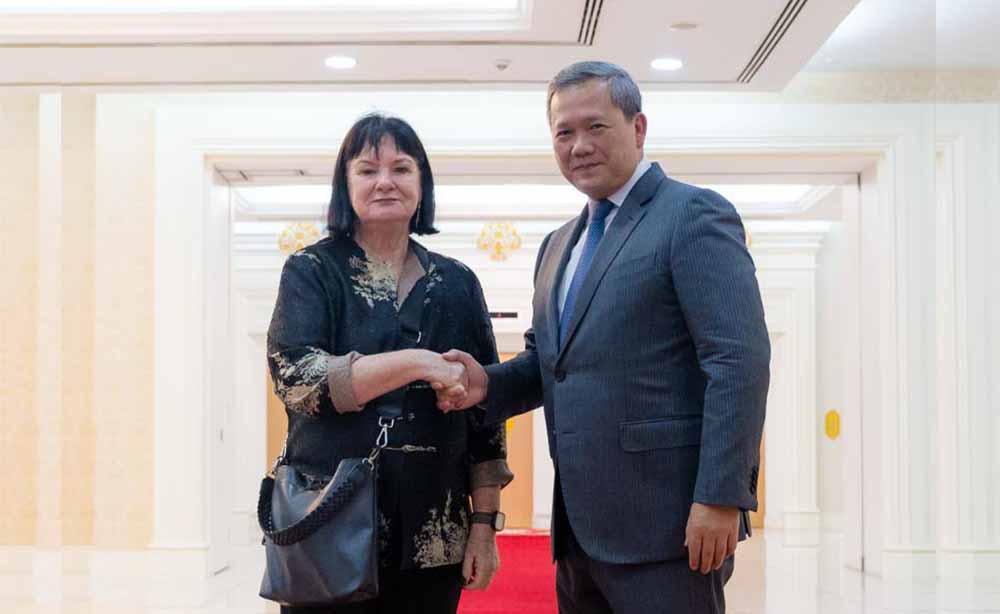
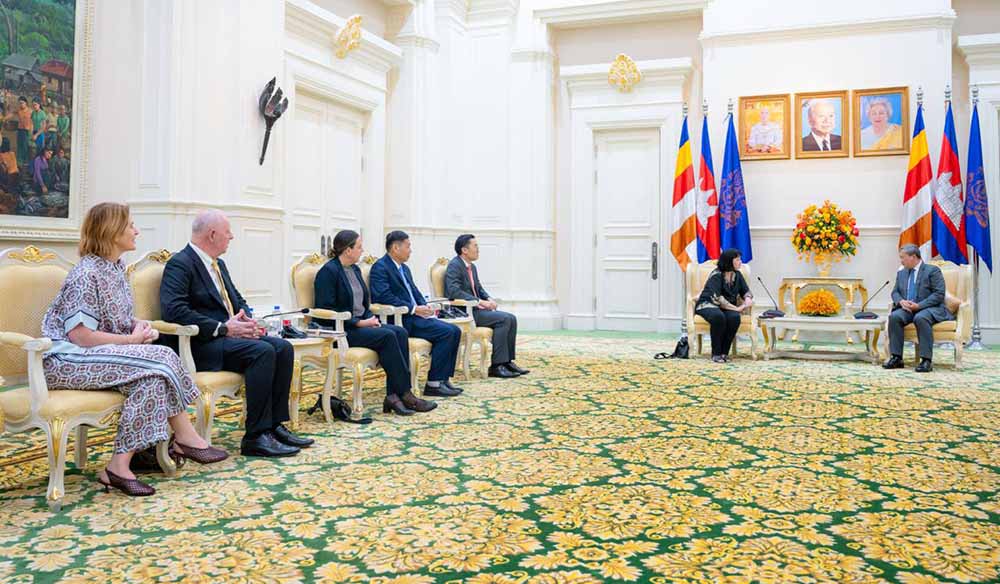
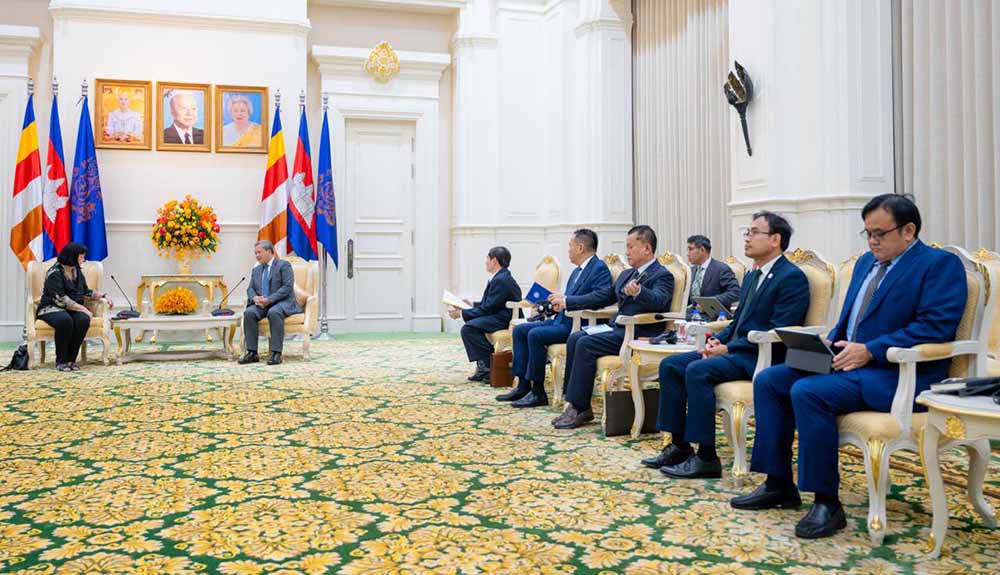
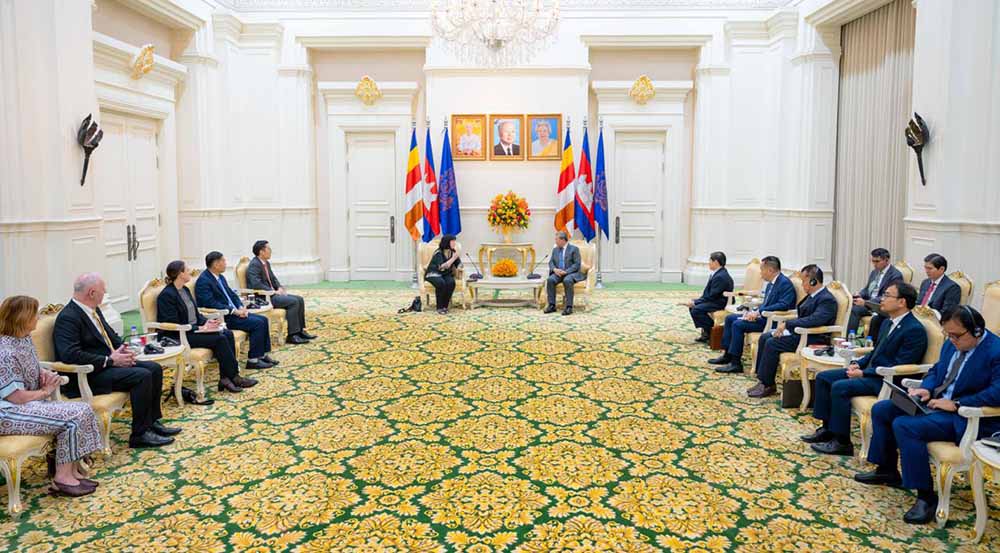
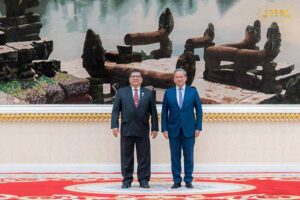
On the afternoon of 22 October 2026, at the Peace Palace, Samdech Moha Borvor Thipadei HUN Manet, Prime Minister of the Kingdom of Cambodia, received a courtesy call from Ms Sharan Burrow, Board Chair of Bendigo Kangan Institute (BKI), and her delegation.
During the meeting, the Board Chair briefed Samdech Thipadei on BKI’s progress in skills development and workforce capacity-building, while speaking highly of the partnership between BKI and Cambodia. She highlighted BKI’s continued commitment to supporting Cambodia’s economic growth through vocational training for Cambodian citizens. Ms Sharan Burrow emphasised the importance of developing a skilled workforce to achieve economic diversification and expressed her commitment to working closely with relevant Cambodian ministries and institutions, particularly the Ministry of Labour and Vocational Training, through the development of training models tailored to Cambodia’s practical needs and context, thereby supporting the implementation of the Royal Government’s Technical and Vocational Education and Training (TVET) policy.
In response, Samdech Thipadei expressed his pleasure and commended BKI’s efforts to date in contributing to the development of a skilled workforce in Cambodia. He underscored that the Royal Government of Cambodia regards people as its top priority, with human capital development fundamentally rooted in investment in health, education, technical and vocational training, and the creation of decent employment. He further emphasised that quality technical and vocational training must be closely aligned with practical application and labour market demand. Samdech Thipadei also outlined the Royal Government’s industrial development strategy, which aims to transform Cambodia from an economy heavily reliant on agriculture into one driven increasingly by industry. In particular, the Royal Government seeks to integrate Cambodia into regional and global supply chains for automotive parts and equipment, as a key step towards economic diversification and higher domestic value addition, complementing the country’s existing vehicle assembly operations.
Before concluding the meeting, Samdech Thipadei encouraged the Board Chair and her delegation to continue working closely with the relevant Cambodian ministries and institutions to develop a skilled Cambodian workforce that meets current and future labour market needs and to translate cooperation plans into concrete results.
(Unofficial Translation)