When Leadership Loses Humanity
 When Leadership Loses Humanity
-Opinion-
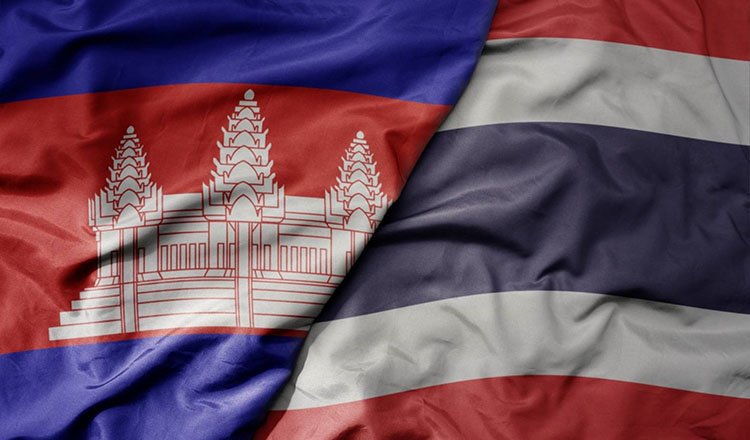
When a country’s leader praises acts that torment innocent civilians, it is not patriotism—it is moral bankruptcy dressed as nationalism. The recent words of Thai Prime Minister Anutin Charnvirakul, who publicly endorsed the use of “haunting sounds” to “mess with Cambodians,” expose something deeply disturbing about the state of leadership in Thailand today. This is not simply a border issue. It is a test of humanity.
For days, Cambodian villagers living peacefully along the border have been subjected to deliberately broadcasted “ghost sounds”—screams, eerie music, and disturbing noises—played at night by Thai operatives in Prey Chan and Chork Chey villages. These acts are not random mischief. They are a form of psychological warfare—a deliberate campaign to terrorize civilians. Yet, instead of condemning such cruelty, Thailand’s Prime Minister has chosen to glorify it.
Mr. Anutin said he “respects” Mr. Kun Chom Palang, the man responsible for orchestrating this sonic harassment, claiming he helps “more than the state.” He went even further, suggesting that these acts somehow defend Thailand’s sovereignty. In doing so, the Thai Prime Minister has normalized intimidation as a patriotic act and stripped the word “sovereignty” of its legal and moral meaning. What Thailand’s leadership forgets—or willfully ignores—is that international law draws a clear line between military defense and civilian abuse. The United Nations Charter, the Geneva Conventions, and ASEAN’s own Treaty of Amity and Cooperation all emphasize respect for human dignity, non-interference, and peaceful coexistence. No clause in any treaty ever justifies psychological warfare against unarmed civilians.
By praising these actions, Mr. Anutin is not defending his country. He is disgracing it. He is using cruelty to score political points, believing that tormenting his neighbors will rally domestic support ahead of the next elections. Instead of uniting his country through responsible leadership, he is feeding anger and fear to gain attention, applause, and political survival. This is the dangerous path where law and morality are both abandoned for personal ambition.
Leadership is measured not by how fiercely one attacks the weak, but by how responsibly one upholds peace and restraint. If this is the new face of Thai governance—where social media influencers and political opportunists replace moral judgment—then Thailand is stepping into a dark chapter of its history. The line between governance and mob behavior is vanishing, replaced by performative cruelty for political credit.
This is not about defending territory. It is about deflecting attention. In a period of growing domestic criticism, economic hardship, and political tension, Thailand’s ruling elite has chosen to channel nationalist anger against a neighbor. By fueling online hatred, allowing influencers to broadcast violence and humiliation, and turning psychological torture into entertainment, Thailand’s leaders hope to score easy political points. But cruelty for convenience is never strength. It is weakness parading as courage.
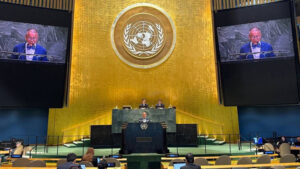
Cambodia has exercised patience and restraint, raising this issue through lawful and diplomatic channels, including the United Nations. Yet Thailand’s Prime Minister dismisses these efforts, arrogantly saying, “If they want to file a lawsuit, go ahead.” Such words reveal a leader who no longer respects law, dialogue, or human decency. He forgets that the rule of law applies to everyone, even those in power. The use of intimidation, psychological warfare, and cross-border harassment violates every standard of international conduct, and those who endorse such actions are not patriots—they are abusers of the law.
The world must not look away. International human rights organizations, ASEAN partners, and the United Nations should not treat this as a mere “border misunderstanding.” This is about the deliberate infliction of psychological harm on innocent civilians—a crime against human dignity that must be condemned.
Thailand’s people deserve leaders who bring peace, not humiliation. True patriotism is not about tormenting neighbors but about upholding justice, humanity, and regional harmony. History will not remember those who stayed in power by dehumanizing others. It will remember those who spoke up when humanity was under attack—even by those who claimed to defend it.
Roth Santepheap is a geopolitical analyst based in Phnom Penh. The views expressed are his own.
-Khmer Times-
#CambodiaWantsPeace
#JusticeForCambodia
#Cambodianeedpeace
#TruthFromCambodia
#ThaiLawOnCambodianSovereignty
#ទាហានថៃបានអនុវត្តច្បាប់ថៃនៅលើទឹកដីខ្មែរ