Thailand’s Lawfare Threats Against Cambodian Leaders Are Baseless and Dangerous
 Thailand’s Lawfare Threats Against Cambodian Leaders Are Baseless and Dangerous
Khmer Times |
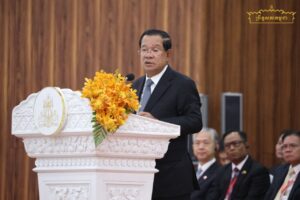
Thailand’s acting Prime Minister Phumtham Wechayachai’s recent announcement that his government is preparing legal action against Cambodian Senate President Hun Sen and Prime Minister Hun Manet is a reckless provocation that violates international law and threatens regional peace.
On August 19, Cambodia’s Ministry of Foreign Affairs issued a strong response, correctly warning that such threats breach Cambodia’s sovereignty, territorial integrity, and the principle of sovereign equality guaranteed by the United Nations Charter. Thailand has no jurisdiction over Cambodian leaders. Any attempt to prosecute them under Thai law would constitute an unlawful use of domestic courts for political purposes—a blatant case of lawfare and information warfare.
The principle of permanent immunity (immunity ratione personae) for heads of state and government is a cornerstone of international law. The International Court of Justice (ICJ) in the Arrest Warrant Case (2002) made clear that sitting leaders enjoy absolute immunity from foreign criminal jurisdiction. This rule is not optional—it exists to preserve stability in relations between states. Thailand’s legal threats are therefore not only illegitimate, but also a direct attack on the international legal order.
Even more troubling, this reckless rhetoric undermines fragile efforts to restore peace. Cambodia and Thailand reached a ceasefire on July 28 and reaffirmed their commitments during the General Border Committee (GBC) meeting in Malaysia on August 7. Threatening prosecutions now erodes the trust needed to fully implement these agreements and return the border to normalcy.
Thailand’s accusations are also unfounded. The landmine incidents of July 16 and 23, which injured Thai soldiers, occurred in border areas long contaminated by mines from past conflicts. Cambodia has repeatedly explained this reality and is committed to demining cooperation. Yet instead of working together, Thailand seeks to politicize tragedy. On July 23—just one day before renewed clashes—the Thai military even revived Operation Chakraphong Phuvanaat, the same strategy it used during the 2008 Preah Vihear Temple dispute. This shows premeditation, not Cambodian aggression.
Cambodia has shown restraint and remains committed to dialogue. But Thailand’s resort to lawfare against Cambodian leaders is unacceptable. It damages bilateral relations, destabilizes the ceasefire, and sets a dangerous precedent that political disputes can be pursued through judicial harassment rather than diplomacy.
Cambodia reaffirms its readiness to work with Thailand to restore peace and cooperation. But this requires mutual respect. Thailand must abandon its baseless threats, honor its commitments, and stop using legal intimidation as a weapon. The future of peace along our shared border depends on it.
Roth Santepheap is geopolitical analyst based in Phnom Penh. The views expressed are his own.