Opinon: Thailand Must Uphold International Law and Respect the Rights of Prisoners of War
 Opinon: Thailand Must Uphold International Law and Respect the Rights of Prisoners of War
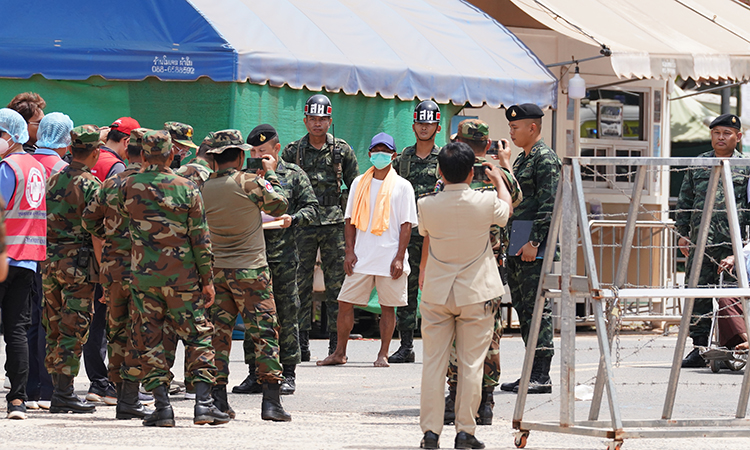
On 29 July, 21 Cambodian soldiers laid down their arms in good faith under the ceasefire agreed between Cambodia and Thailand. They believed the guns had fallen silent. Instead, they were captured by Thai soldiers in direct violation of the ceasefire.
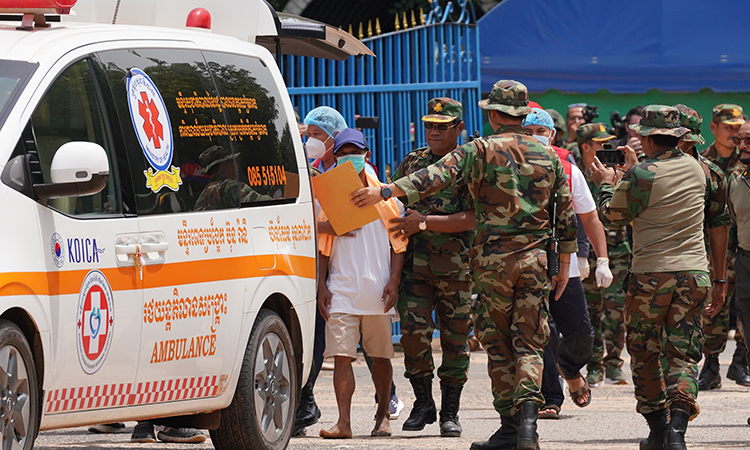
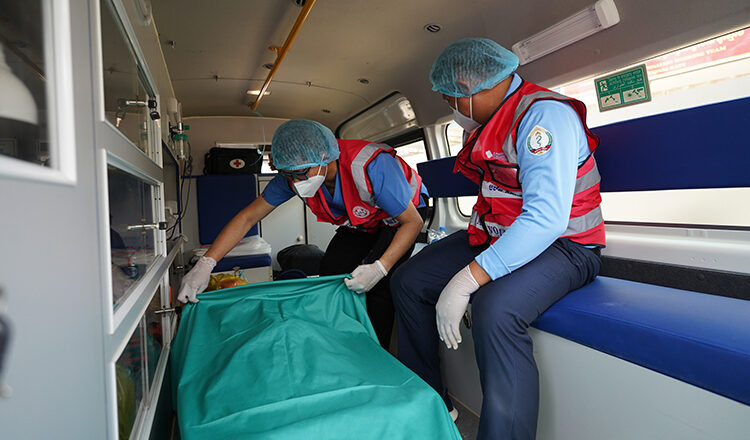
One Cambodian soldier never came home alive. His body was returned to Cambodia. Two wounded soldiers were repatriated on 1 August, bearing the scars of their ordeal—one physically disabled, the other suffering severe psychological trauma. Eighteen Cambodian soldiers remain in the hands of the Royal Thai Armed Forces, facing an uncertain fate. Their continued detention is not only an affront to Cambodia but to the principles of international law and human decency.
Cambodia is a peace-loving nation with a proven commitment to dialogue, coexistence, and the rule of law. Our country has fully honored the ceasefire initiated through the goodwill of the international community, opening our borders and inviting international observers to witness our transparency and goodwill.
In stark contrast, Thailand’s actions—detaining Cambodian soldiers after a ceasefire—represent a breach of trust and a direct violation of international humanitarian law. Cambodia urgently appeals for the immediate and unconditional release of the eighteen (18) soldiers still in Thai custody.
Under international law, the treatment of prisoners of war is explicitly governed by the Third Geneva Convention of 1949, which Thailand has ratified. It obligates all parties to armed conflict to: 1.Treat prisoners of war humanely without any adverse distinction (Article 13); 2.Prohibit torture, coercion, and inhumane treatment (Article 17); 3.Repatriate prisoners of war without delay after the cessation of active hostilities (Article 118).
Thailand’s continued detention, mistreatment, and delayed repatriation of Cambodian soldiers blatantly violates these obligations. These actions also contravene the Universal Declaration of Human Rights, the International Covenant on Civil and Political Rights, and the Convention Against Torture, all of which reinforce the inviolable principle of human dignity during armed conflict.
Prisoners of war are not bargaining chips. They are protected persons under international humanitarian law, entitled to humane treatment, immediate medical care, and swift repatriation after hostilities cease. Thailand’s actions undermine the credibility of the ceasefire, threaten regional stability, and tarnish its international reputation.
The Kingdom of Cambodia calls upon the United Nations, the Office of the High Commissioner for Human Rights, and all international mechanisms to demand the immediate and unconditional release of the 18 Cambodian soldiers, to ensure independent investigations into these violations, and to hold accountable those responsible for these acts of cruelty.
The world is watching. Eighteen Cambodian soldiers are waiting for justice and freedom. Thailand now faces a choice: uphold the law and humanity—or continue down the path of impunity. For the sake of peace, regional stability, and the sanctity of human rights, Thailand must release these soldiers now.
Roth Santepheap is a geopolitical analyst based in Phnom Penh. The views expressed are his own. Khmer Times.